



Eco-Tourism Experiences in Indonesia That Will Reconnect You with Nature
- 22 Feb 2026 10:49 WIB
- Voice of Indonesia
RRI.CO.ID, Jakarta - The International Eco-Tourism Society defines eco-tourism as “responsible travel to natural areas that preserve the environment, sustains the well-being of the local people and involves interpretation and education” (TIES, 2015). There are many destinations in Indonesia that provide authentic eco-tourism experiences.
The first choice is to visit West Bali National Park. Renowned for its diverse ecosystem, the West Bali National Park consists of a large rainforest, dry savannahs, lowlands, and other habitats. It’s a protected habitat for endangered species of animals, including the iconic Bali Starling.
A 4-kilometer walk leads you to the jungle where a rich biodiversity awaits you. To maintain the park’s eco-friendly environment, visitors must comply with strict regulations, such as no hunting, no unauthorized fishing, no cutting of trees, and adhering to a vehicle speed limit of 10km/hr.
The next place is Tanjung Puting National Park. Covering an area of 4,150 km2, Tanjung Puting National Park is said to be as large as the famous Bali Island. Located in Central Kalimantan, this conservation area varies in elevation, ranging from 0-100 meters above sea level.
It is home to endemic and endangered animals, such as orangutans, proboscis monkeys, red langurs, bears, mouse deer, and forest cats. 200 species of birds, 38 species of mammals, other wild animals, and a number of endemic floras can be found in here.
Visitors will need to ride a klotok (a traditional riverboat used to navigate the waters of Indonesia) along the Sekonyer River to get to the entrance of the national park. The terrain is challenging, yet rewarding.
The most popular destination if you visit Indonesia today is Komodo National Park. Komodo National Park in East Nusa Tenggara is home to endemic giant lizards called Komodo dragons. Spread over an area of 1,733 km2, Komodo National Park consists of three large islands: Komodo, Padar, and Rinca, as well as 26 smaller islands.
Komodo National Park was originally established to conserve the endemic Komodo dragon, but in 1991, the park got recognized as a UNESCO World Heritage Site. Since then, the conservation goals have expanded to preserving the entire biodiversity of the region, both marine and terrestrial. Visitors often note that it takes guts to be close to this amazing creature.
This place is considered a secluded conservation area. Tangkahan National Park is located in Langkat Regency, North Sumatra. Tangkahan is a part of the utilization zone of Mount Leuser National Park and is home to many wild elephants.
Here, you can get the chance to not only play with them but also bathe them. It is easily accessible by bus routes that take you to the park from Kualanamu International Airport, but you must first cross the swift Batang Serangan River. Quite an adventure, isn’t it?
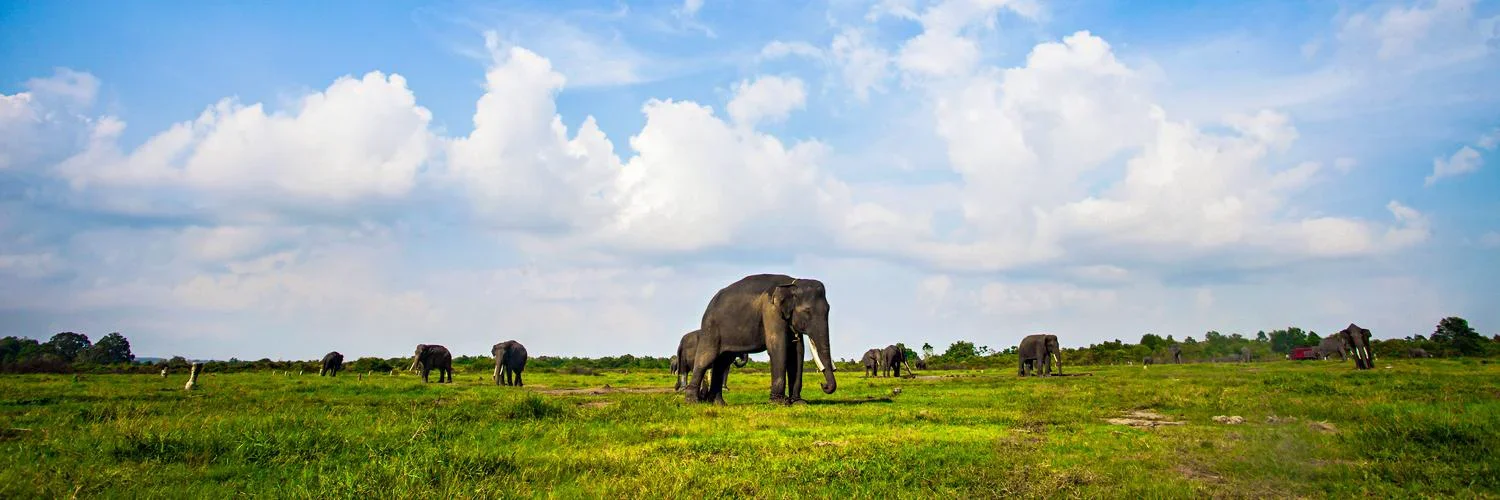
Another eco-tourism destination where you can meet and greet the elephants is the Way Kambas National Park in Lampung province. This conservation area has 406 bird species and 50 different species of mammals, many of which are critically endangered, like the Sumatran tiger and rhino.
This park consists of 1,256.21 km2 of swamp, savannah, and rainforest. You can take a closer look at the process of animal breeding here or simply watch the elephants interact with each other.
If you're wondering which place you want to visit first, you can start from Bali and end your journey in Lampung, or vice versa. Any starting point offers a rewarding journey.
News Recomendation
Loading latest news.....