



Spirulina Microalgae for Sustainable Aquaculture Feed
- 22 Jul 2026 07:26 WIB
- Voice of Indonesia
Key Points
- BRIN is promoting Spirulina (Arthrospira platensis) as a high-nutrition functional feed to support sustainable aquaculture in Indonesia.
- Spirulina cultivation contributes to multiple Sustainable Development Goals (SDGs), including water quality, renewable energy, CO₂ absorption, and ecosystem conservation.
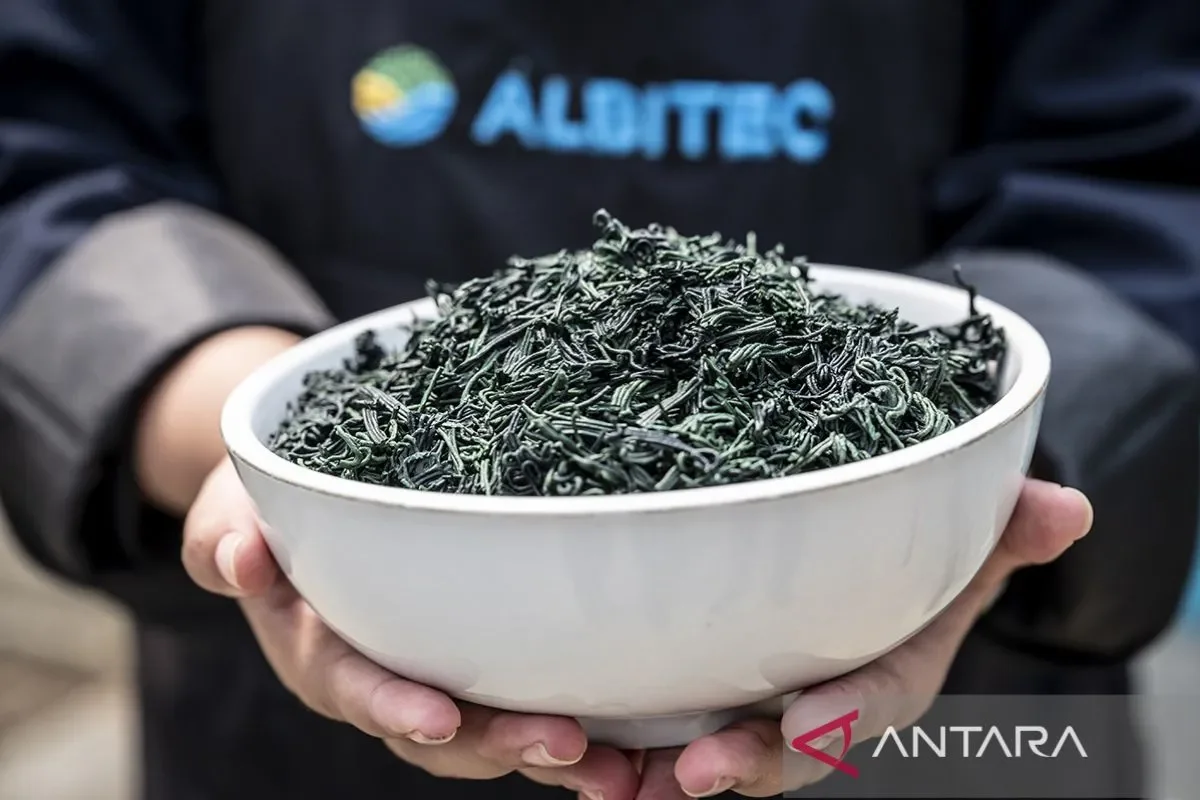
RRI.CO.ID, Jakarta - The National Innovation and Research Agency (BRIN) is promoting the use of Spirulina (Arthrospira platensis) microalgae as a high-nutrition functional feed to support the sustainability of the national aquaculture industry.
“Spirulina was chosen in the research because this microalgae is known to contain very high protein, many bioactive compounds, and is easy to digest, as well as being a raw material for bioremediation,” said A researcher at the Marine Aquaculture Research Center of BRIN, Sitti Faridah, in a discussion in Jakarta on Tuesday, 21 July 2026.
In her presentation, Sitti explained that the selection of spirulina was based on its rapid growth and exceptionally high nutritional content. One of its strengths is a protein level reaching 65% and fiber content four times higher than corn flour and oats.
In addition to its nutritional advantages, spirulina development has been proven to support various Sustainable Development Goals (SDGs). These contributions are related, among others, to the environment and aquatic resources.
“Spirulina cultivation also supports SDG 6 on water quality, SDG 77 for bioenergy, SDG 12 for CO2 absorption, supports SDGs 14 and 15 related to ecosystems, and SDG 7 related to the use of renewable energy,” said Sitti, as quoted on BRIN’s official website.
From the fisheries industry perspective, processed spirulina products also play an important role. Sitti said this commodity can be widely utilized from hatchery activities, grow-out, to becoming a raw material for producing high-nutrition functional feed for livestock and fish.
She continued that spirulina is known to have a nutritional profile far superior to other conventional food sources. Its protein content, which reaches 65%, is considered far higher than that of chicken meat, milk, cheese, fish, or eggs.
In addition to being rich in nutrients, spirulina also contains various functional compounds that are beneficial to human health. These compounds have hypolipidemic, hypoglycemic, and antihypertensive properties, supported by polysaccharides that can provide antioxidant, anti-inflammatory, and immune-stimulating effects.
Various processed spirulina products have now been widely applied across sectors, ranging from food, animal feed, pharmaceuticals, cosmetics, to use as biofuel, biodiesel, biohydrogen, and bioremediation agents.
Based on a review of global market research, spirulina demand and market prices show a positive growth projection from year to year. Sitti revealed that Arthrospira platensis is recorded as the dominant species most widely cultivated globally, with market price trends projected to rise by around 10.5% from 2020 to 2027.
“The global market is dominated by countries in Asia, such as China, India, and Japan, as well as the United States. In Indonesia, this cultivation potential has been seriously developed by several companies based in Central Java. Production capacity has even reached a large industrial scale, amounting to 108 tons per year,” she said.
Seeing the many benefits offered, from health, environmental, to economic aspects, Sitti assessed that the business prospects of spirulina cultivation are highly worthy of continued development. In this way, it will give rise to a fisheries industry that is increasingly advanced and modern in Indonesia. ***
News Recomendation
Loading latest news.....