



Cyber Tongue Innovation Offers Breakthrough for Indonesia’s Dairy Industry
- 19 Jun 2026 14:25 WIB
- Voice of Indonesia
Key Points
- Local milk meets only 20 percent of demand; imports cover the remaining 80 percent.
- Cyber Tongue detects milk contaminants in three minutes, reducing waste and boosting quality.
- Technology could prevent 70 million tons of milk waste annually, supporting global sustainability.
RRI.CO.ID, Bogor - As global demand for dairy continues to rise, Indonesia’s local milk industry is struggling to keep pace, hampered by quality challenges and reliance on small‑scale farms.
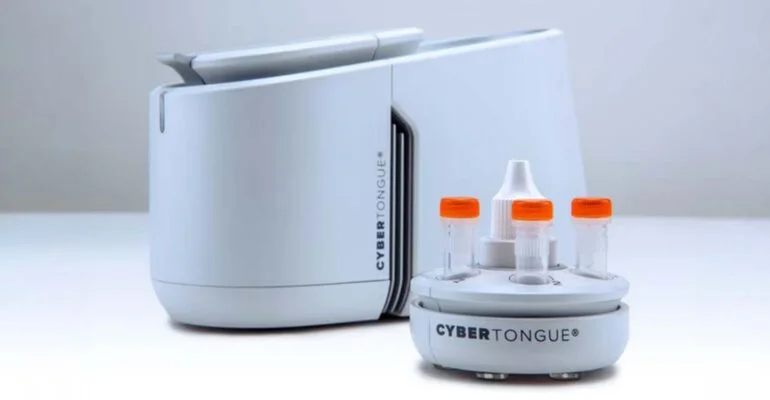
With domestic production meeting only 20 percent of industrial needs, experts are turning to innovation as a way forward, including the adoption of Australia’s Cyber Tongue biosensor technology.
The hurdles facing local producers range from illegal additives and weak cold‑chain maintenance to hygiene issues in processing. Against this backdrop, Cyber Tongue offers a potential breakthrough.
Developed by PPB Technology in Canberra based on CSIRO research, the biosensor uses protein‑based detection and bioluminescence resonance energy transfer (BRET) to identify damaging enzymes and contaminants in milk within minutes.
IPB University geneticist Ronny Rachman Noor explained that the technology can rapidly detect protease (AprX) and other contaminants, helping reduce waste and improve competitiveness against imports.
“Cyber Tongue acts like an electronic tongue that ‘tastes’ milk quality instantly, enabling producers to decide whether milk should be processed into UHT products or diverted into cheese and yogurt,” he said, as quoted on the university's official website.
Unlike conventional lab methods that take two to three days, Cyber Tongue delivers results in just three minutes and can be applied directly at production sites. This speed not only prevents unnecessary disposal but also supports sustainable practices by turning high‑protease milk into value‑added products.
The Food and Agriculture Organization (FAO) estimates global milk output reached 979 million tons in 2024, with studies showing up to one‑sixth-- more than 150 million tons--wasted. Developers believe Cyber Tongue could prevent over 70 million tons of milk from being discarded annually.
Beyond protease detection, the technology can identify lactose, allergens, and toxins, positioning it as a potential global standard for dairy testing. “Cyber Tongue brings new hope to the industry, offering faster, more accurate quality checks that strengthen sustainability and reduce waste,” Ronny concluded. ***
News Recomendation
Loading latest news.....