



BRIN Strengthens Silkworm Genetic Conservation for Sustainable Silk Industry
- 13 Jul 2026 13:18 WIB
- Voice of Indonesia
Key Points
- BRIN is strengthening silkworm genetic conservation to support a sustainable natural silk industry.
- Advanced technologies are being used to develop more productive and climate-resilient silkworm strains.
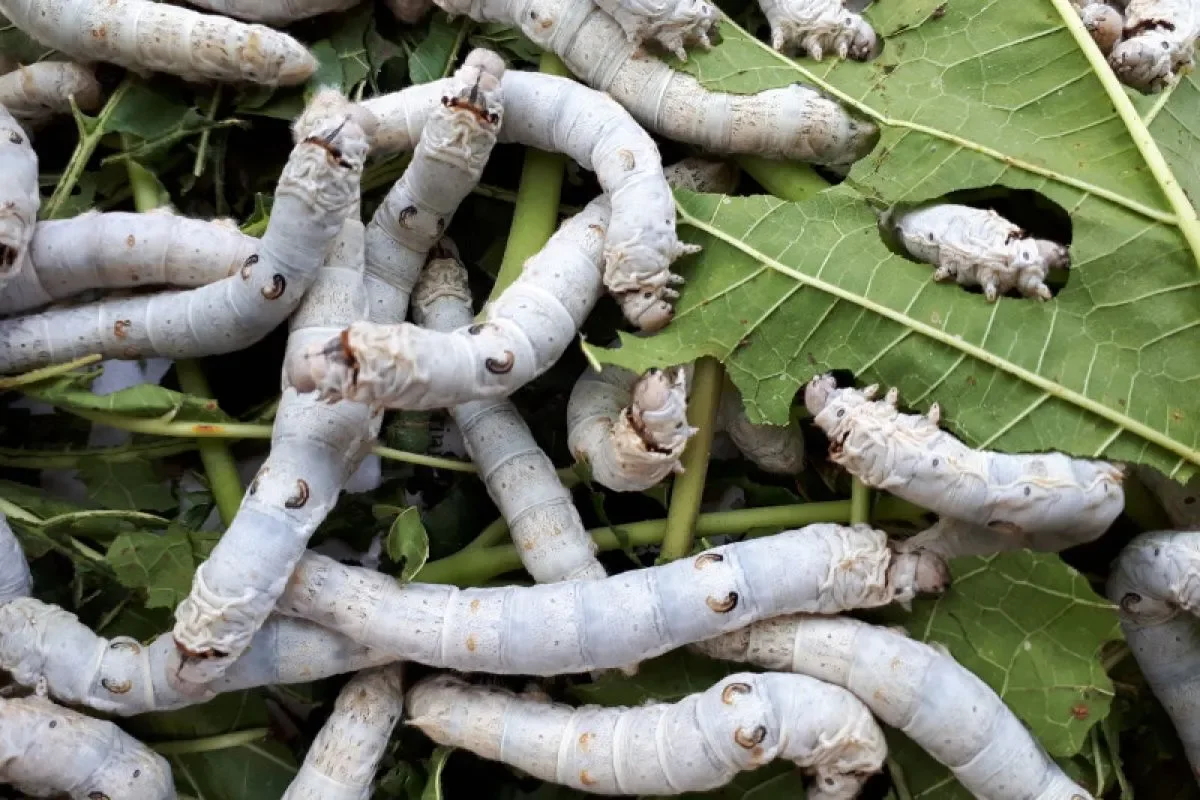
RRI.CO.ID, Cibinong - The National Research and Innovation Agency (BRIN) has underlined genetic conservation as the primary cornerstone for building a sustainable national silk industry. Scientists argue that safeguarding genetic diversity is not merely an academic endeavor but a commercial necessity to breed superior silkworm strains that are highly productive, disease-resistant, and resilient against climate fluctuations.
The initiative highlights a strategic shift toward utilizing high-tech biological engineering to revitalize Indonesia's domestic silk manufacturing. By securing a robust genetic bank, the country aims to reduce its reliance on imported raw silk and establish an innovative, self-sustaining production ecosystem driven by local biodiversity.
A senior researcher at BRIN’s Applied Zoology Research Center, Lincah Andadari, brought the issue to the forefront during a silkworm cultivation talk show last week. Her presentation, titled Genetic Resources of Mulberry Silkworms: Diversity, Conservation, Utilization, and Sustainability, was delivered during BRIN’s Life Sciences and Environment Research Organization (ORHL) Capacity Building and Expo 2026, held at the Soekarno Science and Technology Zone in Cibinong on Thursday, July 9, 2026.
Lincah explained that the mulberry silkworm (Bombyx mori L.) possesses incredibly rich genetic diversity. Each geographic race and strain exhibits unique characteristics, ranging from egg and larval behaviors to cocoon qualities, silk thread strength, environmental adaptability, and pathogen resistance.
This vast genetic pool serves as the raw material for engineering high-performance varieties capable of meeting modern industrial demands.
"Conservation of genetic resources is an important step to maintain the availability of the genetic material needed in breeding activities and the development of better silkworm strains," Lincah explained, as quoted on BRIN’s official website.
According to Lincah, conservation protocols are carried out systematically. This includes maintaining live collections of diverse silkworm lines, executing periodic generations to preserve vitality, characterizing economically vital traits, and thoroughly documenting genetic data as part of national germplasm management. These measures ensure that genetic wealth remains accessible for future research and industrial innovation.
Lincah added that well-maintained genetic resources open significant opportunities to tailor silkworm strains to specific commercial requirements. Through structured breeding programs, traits such as high silk yields, premium fiber elasticity, climate tolerance, and structural resistance to devastating diseases can be continuously enhanced.
To accelerate these breakthroughs, BRIN is integrating cutting-edge technologies into its germplasm management. The agency has deployed biomolecular analysis, multi-omics technologies, genome editing, and artificial intelligence (AI) to comprehensively map out genetic traits and shorten traditional breeding timelines.
"Technological developments provide opportunities to identify superior traits more quickly and support a more effective breeding process," Lincah said.
However, Lincah warned that the natural silk sector faces severe systemic threats. Climate change, narrowing genetic pools caused by centuries of domestication, and mutating pathogens present serious challenges to the industry's long-term survival. Consequently, genetic conservation must remain dynamic and deeply integrated with ongoing technological research.
She concluded by emphasizing that the ultimate goal of conservation goes beyond maintaining inactive germplasm collections; it must actively channel these genetic resources into practical innovations that boost the competitiveness of the national silk sector.
Through the ORHL Expo 2026, BRIN continues to showcase research aimed at preserving Indonesia's vast biodiversity. Strengthening silkworm genetic conservation stands as a strategic imperative, laying down the research foundation needed to foster a more resilient, innovative, and sustainable natural silk economy. ***
News Recomendation
Loading latest news.....