



ITS Surabaya Advances Sustainable Energy Innovation Amid Global Fuel Challenges
- 06 Apr 2026 16:19 WIB
- Voice of Indonesia
Key Points
- ITS Surabaya is advancing energy resilience by developing innovations like biogasoline from crude palm oil.
- The REIDI living lab integrates solar, biomass, agrovoltaic, and hydrogen to test renewable energy solutions.
- Initiatives such as Solar2Wave and electric vehicle conversion highlight ITS’s push for clean, diversified energy.
RRI.CO.ID, Surabaya - As global fuel reserves face mounting pressure from ongoing crises, Sepuluh Nopember Institute of Technology (ITS) Surabaya, East Java, is intensifying its efforts to develop sustainable energy innovations that can strengthen Indonesia’s national energy resilience.
“Energy resilience must be supported by technologies that harness local potential,” Director of Research and Community Service (DRPM) at ITS, Fadlilatul Taufany, said in Surabaya on Monday, April 6, 2026, as quoted by Antara.
He explained that resilience is not solely about fuel reserves, but also about the ability to create alternative energy sources and accelerate the transition toward renewable energy.
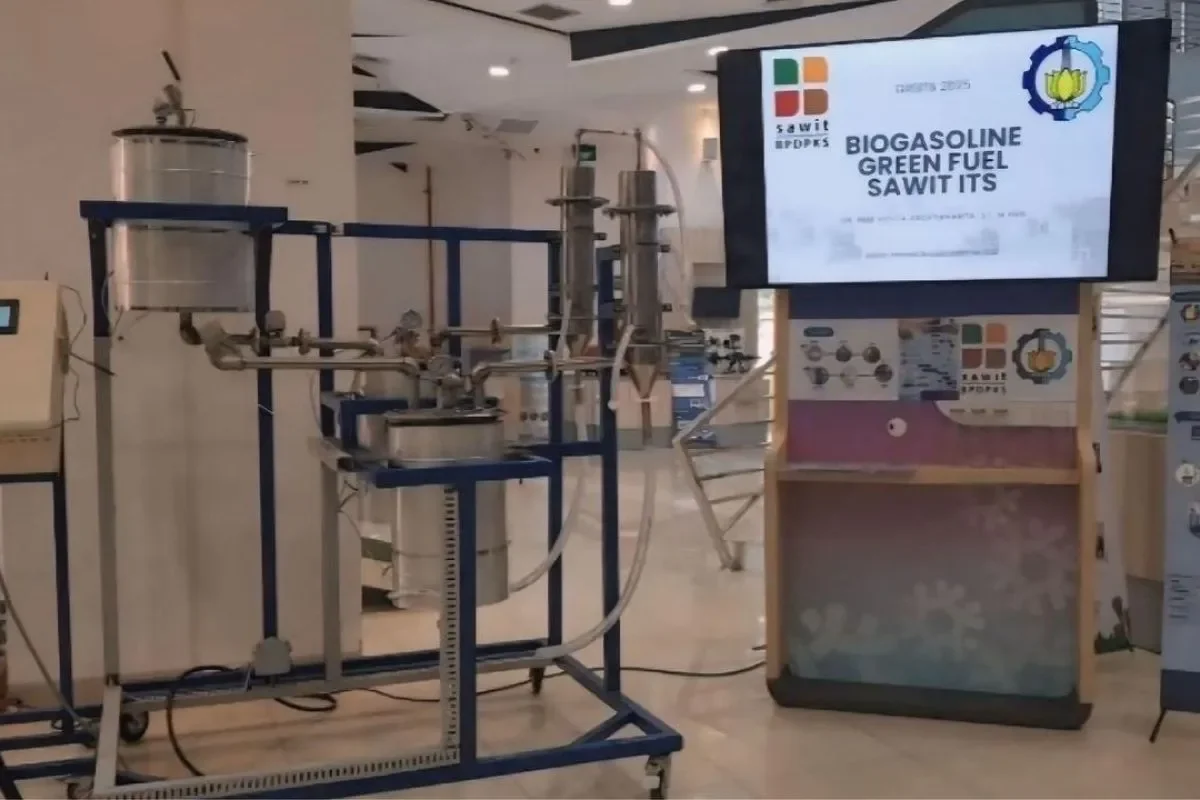
Among ITS’s flagship projects is the conversion of crude palm oil (CPO) into biogasoline through the Benwit innovation, designed to utilize domestic resources for national energy independence.
ITS has also launched the Renewable Energy Integration Demonstrator of Indonesia (REIDI), the country’s largest living laboratory for renewable energy. REIDI integrates multiple sources such as photovoltaic, agrovoltaic, biomass, and hydrogen.
“REIDI is designed to bridge research with the needs of industry and society,” Fadlilatul noted, emphasizing that the program goes beyond technology development, focusing on testing and real-world implementation.
“Direct implementation is key to ensuring innovation delivers tangible impact,” he added.
Another initiative, Solar2Wave, introduces Indonesia’s first nearshore floating solar power plant (PLTS) to support energy independence in coastal regions. “A region-based approach is crucial to expanding access to clean energy,” he said.
ITS is also driving energy diversification through bioethanol, electric vehicles, and hydrogen fuel cell technology, all part of the broader transition toward cleaner and more efficient energy systems. “Diversification is necessary to reduce dependence on fossil fuels,” Fadlilatul explained.
He further stressed that strengthening national energy resilience requires synergy between research, policy, and implementation. “Collaboration is needed so that innovation can be widely applied,” said the ITS Chemical Engineering lecturer.
To support implementation, ITS has developed the Automotive Science Techno Park (STP), which has been converting gasoline-powered vehicles into battery-based electric motorcycles since 2022.
These initiatives align with the United Nations Sustainable Development Goals (SDGs), particularly Goal 7 on affordable and clean energy and Goal 13 on climate action, reinforcing ITS’s role in advancing research and cross-sector collaboration for sustainable progress. ***
News Recomendation
Loading latest news.....