



BRIN Transforms Plastic Waste into Cancer Drug Precursors
- 22 Jan 2026 12:46 WIB
- Voice of Indonesia
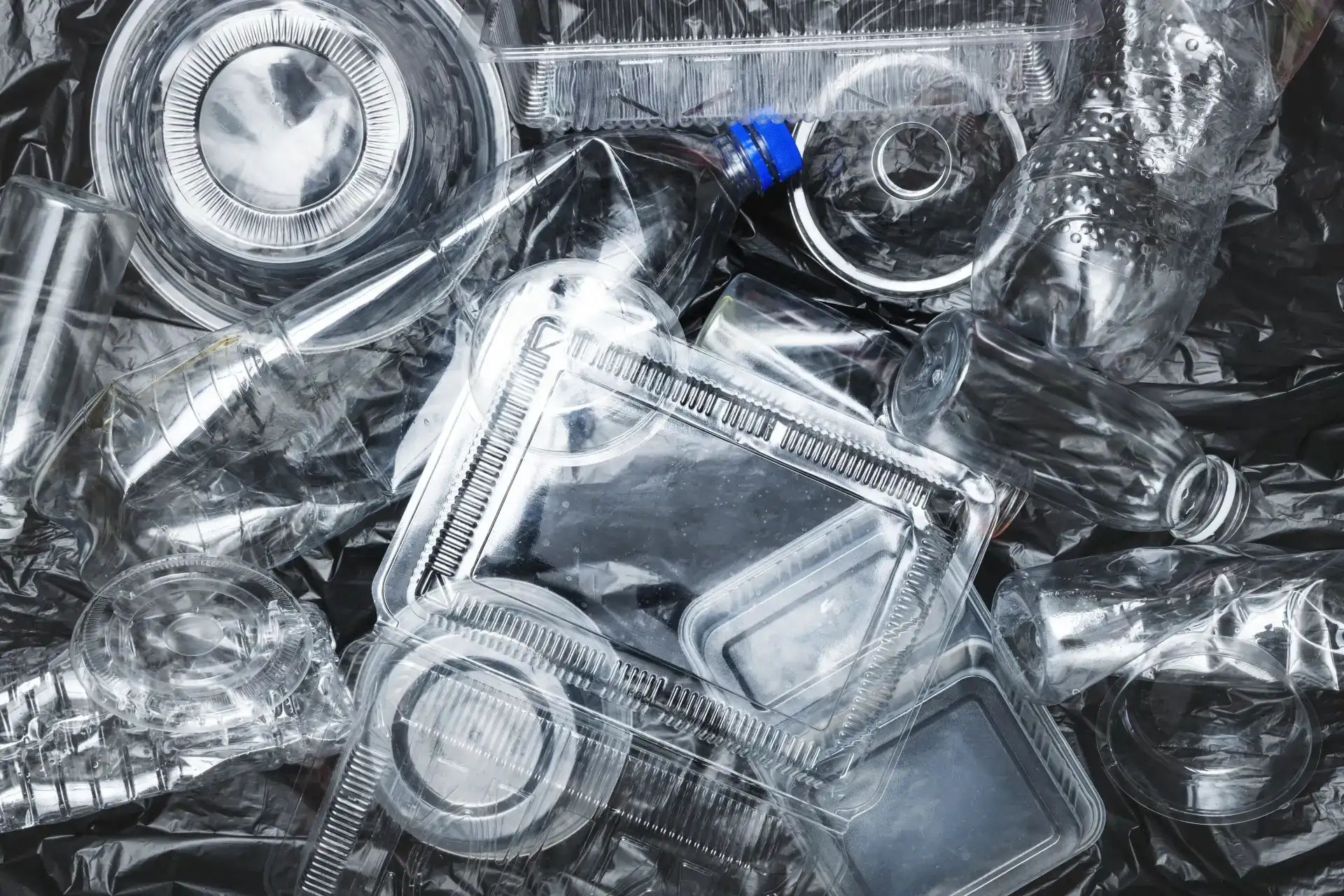
RRI.CO.ID, Cibinong - Indonesia’s National Research and Innovation Agency (BRIN) has developed a breakthrough in chemical recycling by transforming plastic waste into compounds that can serve as precursors for cancer treatment.
The innovation centers on depolymerization, a process that breaks down Polyethylene Terephthalate (PET), the plastic widely used in water bottles, packaging, textiles, electronic circuit boards, and X-ray films, into its basic monomers.
These monomers can then be repurposed into high-value materials for the pharmaceutical industry.
“PET consumption continues to rise, and its accumulation poses a long-term environmental threat because it is difficult to degrade naturally,” said Betty Alfirizky Kustiana, a researcher at BRIN’s Research Center for Pharmaceutical Raw Materials and Traditional Medicine, as quoted by BRIN's Official Website.
She explained during a recent webinar that chemical recycling through depolymerization offers a promising solution by converting waste into reusable building blocks.
BRIN’s research highlights the terephthalate structure derived from PET as an ideal scaffold for developing anticancer drugs.
This chemical framework is already present in several commercial and clinical-stage treatments. It plays a key role in Tucidinostat, used to treat T-cell lymphoma, and Entinostat, which is under clinical investigation for breast cancer.
The same structure is also being explored in Diprovocim, a compound studied for its potential against leukemia.
So far, BRIN has successfully synthesized three major compounds, 1′-terephthaloylbisimidazole (TBI), Terephthalic Acid (TA), and Dimethyl Terephthalate (DMT), with laboratory yields exceeding 80 percent.
While optimization is ongoing, the achievement marks a significant step toward industrial-scale application.
The agency plans to expand the process to larger volumes of PET to test consistency and scalability. By converting plastic waste into pharmaceutical raw materials, Indonesia aims to strengthen its circular economy while reducing dependence on imported medicinal ingredients.
“This approach ensures that materials remain in a high-value utilization cycle for as long as possible,” Betty said. “It turns a global environmental challenge into an opportunity for life-saving therapy.” ***
News Recomendation
Loading latest news.....