



UGM Pushes Innovation to Tackle Indonesia’s Salt Self-Sufficiency Challenge
- 19 Jun 2026 05:44 WIB
- Voice of Indonesia
Key Points
- Indonesia still imports nearly half its salt due to production and quality challenges.
- UGM promotes SWRO tech to boost salt output and provide clean water for coastal communities.
- Experts urge modern methods, zero-waste practices, and stronger market links to reach 2029 self-sufficiency.
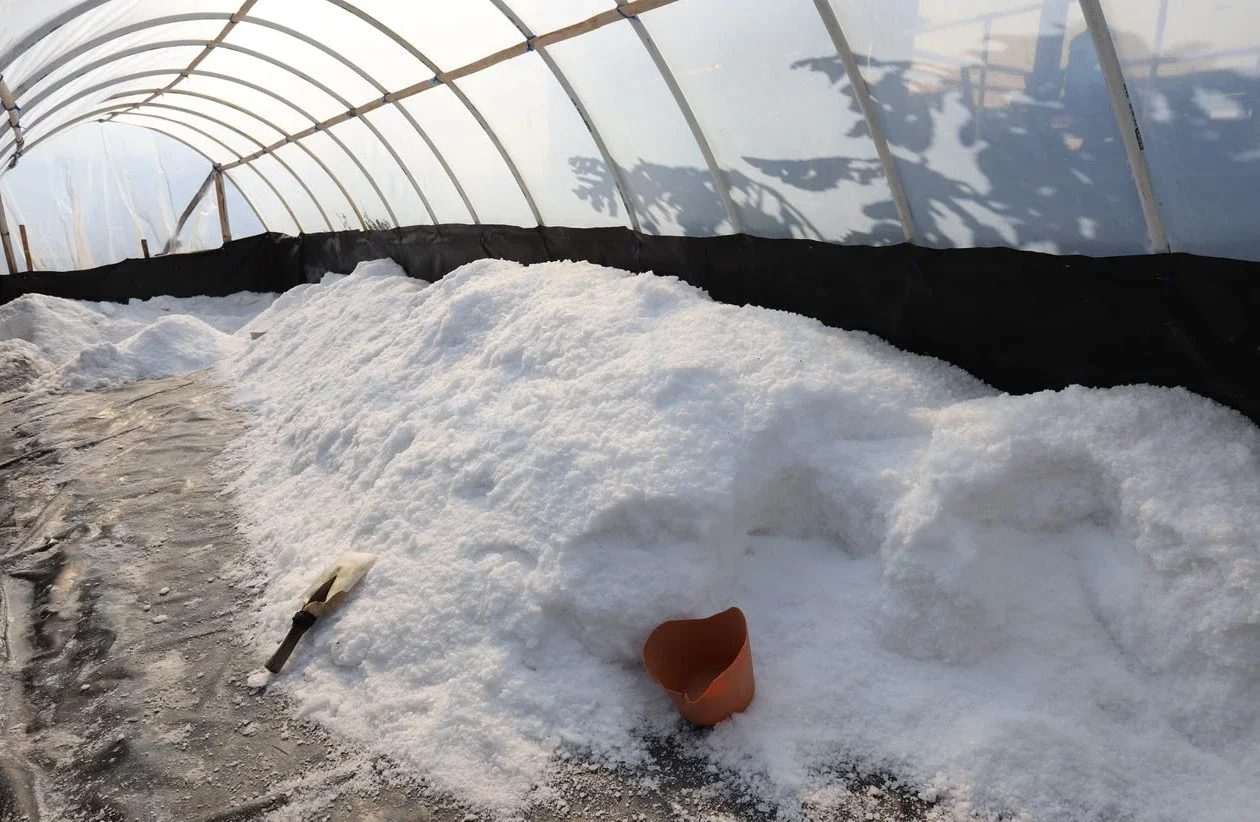
RRI.CO.ID, Yogyakarta - Indonesia’s long coastline has yet to translate into salt self-sufficiency, as experts and officials highlight persistent challenges in production and quality.
Despite abundant natural resources, the country still imports nearly half of its salt needs, underscoring the urgency of technological innovation and stronger industry support.
At a Focus Group Discussion in Kulon Progo on June 17, 2026, UGM Professor Alim Isnansetyo introduced Seawater Reverse Osmosis (SWRO) technology, which integrates salt production with freshwater supply.
He emphasized that this approach could not only boost salt output but also provide clean water for coastal communities struggling with limited access.
“We hope this innovation can improve both the quantity and quality of salt while raising the living standards of those working in the sector,” he said, as quoted on the university's official website.
UGM’s Director of Community Service, Rustamadji, noted that salt development has long been a priority for the university. He stressed the importance of combining research with community needs, encouraging collaboration among academics, government, farmers, and businesses to strengthen national capacity.
“We support initiatives along the southern coast and hope they can serve as models for smaller islands,” he explained.
Local officials echoed the call for stronger industry ecosystems. Purworejo’s Environment and Fisheries Office head, Wiyoto Harjono, praised UGM’s SWRO initiative but pointed out that continuity and market linkages remain weak. He urged broader cooperation to connect producers with buyers and attract investment.
Industry demand adds further pressure. Diponegoro University Professor Tri Winarni Agustini highlighted rising salt needs in food, pharmaceuticals, and cosmetics, but warned that domestic production often falls short of industrial standards.
She recommended adopting geomembrane and greenhouse systems to improve quality, alongside zero-waste practices that turn byproducts into new products.
From the government side, Mohammad Zaki Mahasin of the Marine and Coastal Management Directorate acknowledged the impact of geography and climate on salt output. He said UGM’s technology could help bridge the gap between demand and supply while opening opportunities for product diversification.
Farmers themselves are experimenting with value-added products. Marsino, leader of the Pandowo Limo Salt Group, described efforts to produce organic salt, therapeutic salt, and extracts with health benefits. Yet certification costs remain a barrier to scaling up.
“We hope for support to make local salt more competitive in wider markets,” he said.
Together, these voices reflect a shared recognition: Indonesia’s salt industry requires innovation, collaboration, and investment to achieve self-sufficiency. With new technologies like SWRO and stronger community engagement, stakeholders believe the path toward national salt independence by 2029 is within reach. ***
News Recomendation
Loading latest news.....