



BRIN Researcher Turns Gayo Coffee Waste into Eco-Friendly Food Packaging
- 17 Jul 2026 19:02 WIB
- Voice of Indonesia
Key Points
- A BRIN researcher developed biodegradable food packaging by combining chitosan, spent Gayo coffee grounds, and zinc oxide nanoparticles.
- The eco-friendly packaging offers improved strength, UV protection, water resistance, and antibacterial properties, supporting a circular economy.
RRI.CO.ID, South Tangerang - In a major breakthrough for the green economy, a researcher from the National Research and Innovation Agency (BRIN) has successfully developed a high-performance, eco-friendly food packaging material derived from Gayo coffee waste.
The innovation addresses a critical environmental challenge: while conventional plastics continue to dominate the global food packaging sector, their non-renewable nature and resistance to decomposition cause severe long-term ecological damage.
To counter this, scientists are urgently seeking viable, biodegradable alternatives that match the functional performance of synthetic plastics.
A postdoctoral researcher at BRIN's Research Center for Molecular Chemistry, Haya Fathana, unveiled the breakthrough during the 10th edition of the Molecular Chemistry Footprint Webinar on Thursday, July 16, 2026.
Her study focuses on the physicochemical properties of chitosan-based composite films enhanced by spent Gayo coffee grounds.
Chitosan, a natural biopolymer, has long been recognized for its excellent film-forming capabilities, biocompatibility, and biodegradability. However, its widespread industrial adoption has been limited by low mechanical strength and poor water resistance.
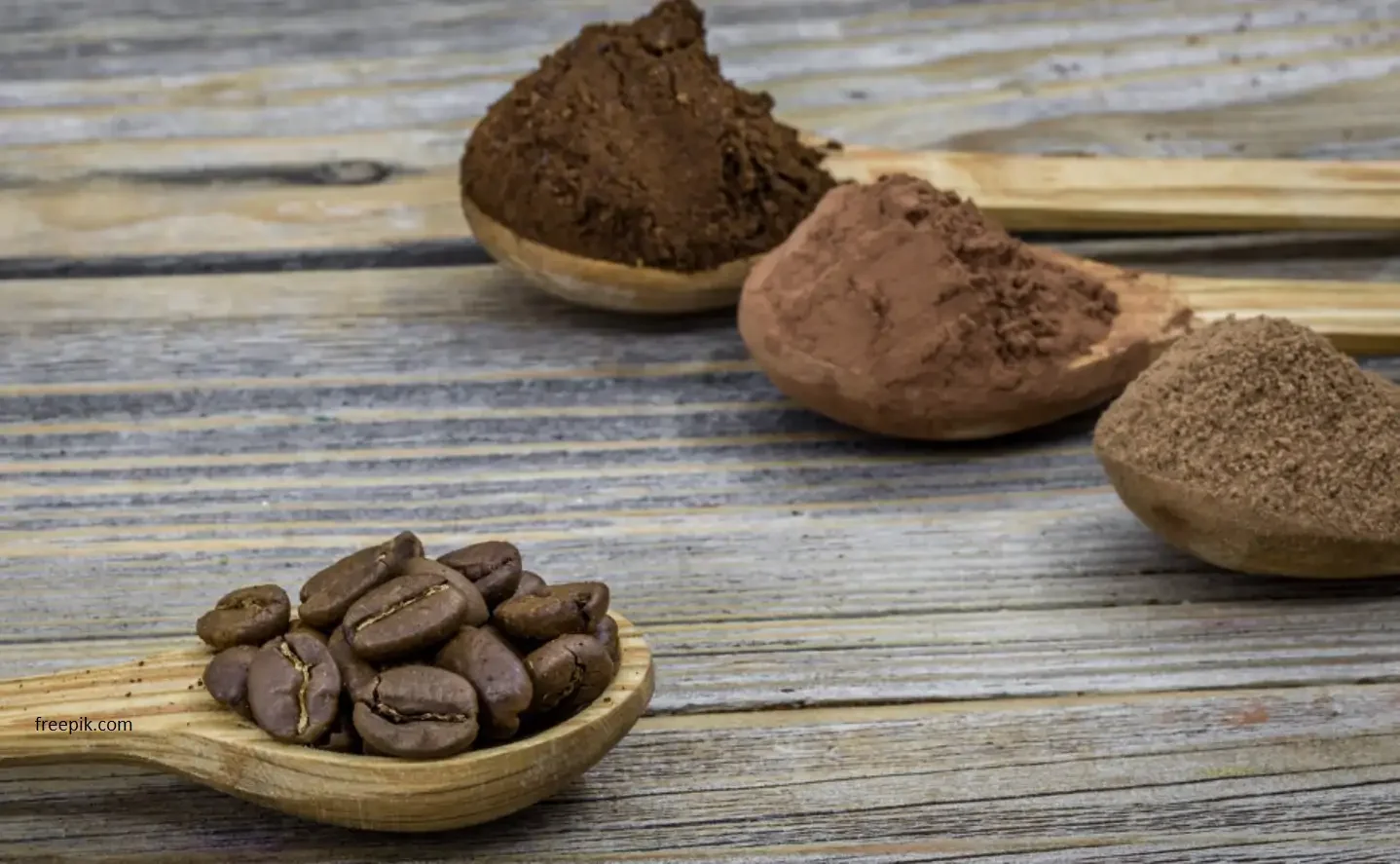
To overcome these barriers, Fathana utilized spent Gayo coffee grounds, which are naturally rich in cellulose, hemicellulose, lignin, and polyphenols.
By integrating this agricultural byproduct, the research successfully boosted the composite material's mechanical strength, thermal stability, hydrophobic qualities, and antioxidant activity.
Additionally, the formula incorporates zinc oxide (ZnO) nanoparticles to provide robust antimicrobial properties and ultraviolet (UV) protection.
"The research results show that the developed composite film was successfully formed intact and flexible," Fathana explained, as quoted on BRIN's official website.
"The addition of Gayo coffee grounds produced a brownish color change as an indication of the presence of lignocellulose particles. While the addition of ZnO still produced a homogeneous film without cracks, making it feasible for further characterization," she added.
Detailed material characterization confirmed a strong intermolecular interaction linking the chitosan, the lignocellulose components from the coffee waste, and the ZnO nanoparticles.
Compared to pure chitosan alternatives, this specific combination significantly increases physical durability, improves water-repellent capabilities, and minimizes water vapor permeability. It also acts as an effective shield against damaging UV radiation.
Beyond physical optimization, the composite film serves as a form of "active packaging" due to its powerful antibacterial properties. The material demonstrated high efficacy in blocking the growth of Staphylococcus aureus and Escherichia coli, with the combined properties of the Gayo coffee waste and ZnO yielding the highest microbial inhibition rates.
Fathana emphasized that upgrading discarded Gayo coffee grounds into high-value biomaterials directly advances a circular economy by providing a sustainable alternative for the future of the food logistics industry. ***
News Recomendation
Loading latest news.....