



Oral Traditions Key to Mangrove Preservation, Study Says
- 28 Mei 2026 15:38 WIB
- Voice of Indonesia
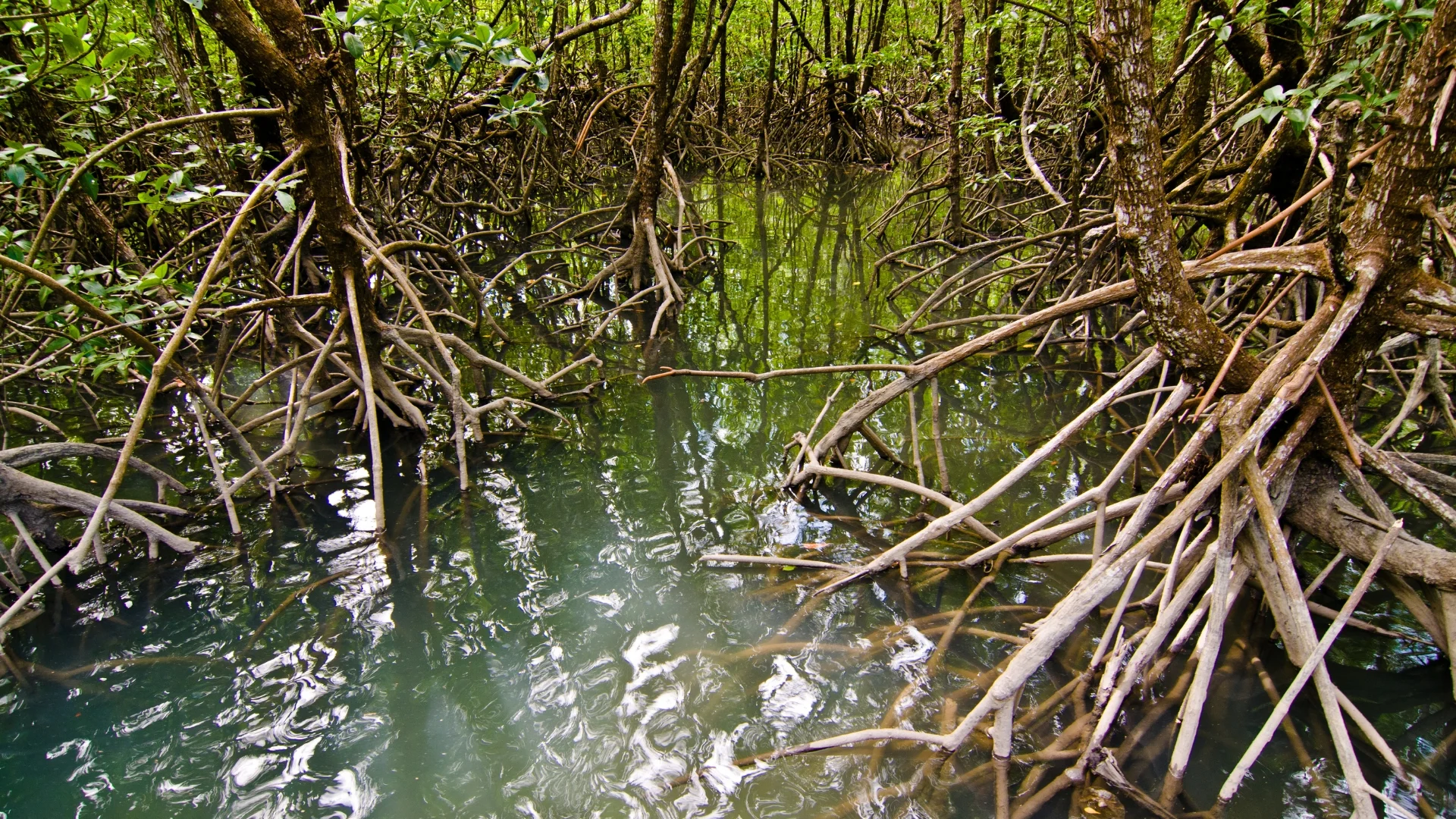
RRI.CO.ID, Jakarta -The sustainability of mangrove ecosystems is closely linked to local traditions, spiritual beliefs, and oral knowledge passed down through generations in coastal communities. This was found by Indonesia’s National Research and Innovation Agency (BRIN).
In a press release on Wednesday, May 27, 2026, this was discovered in a study titled “Entangled Ecologies: Oral Traditions, Spirits, and the Sustainability of Mangrove Landscapes in Southeast Seram Island, Indonesia” by a researcher of BRIN’s Research Center for Society and Culture Dedi Supriadi
In a discussion recently, Dedi Supriadi Adhuri affirmed mangrove conservation in several coastal regions cannot be understood solely through human-centered ecosystem management approach. “What is interesting is how mangroves in some places remain preserved even though they have been exploited for centuries,” he said.
According to him, the “more-than-human” approach views humans, nature, and non-human entities as interconnected parts of a shared ecological system. In many coastal communities, nature is regarded not only as an economic resource but also as a living space with moral and spiritual dimensions.
He said communities in Maluku, Papua, and North Sulawesi have long applied local ecological practices that regulate natural resource use through restrictions and regeneration systems. These include bans on cutting mangroves down to their roots, rotational use of coastal areas, and mangrove calendars based on seasonal conditions.
In addition, Dedi added that mangroves are often embedded in local myths, origin stories, and customary rules that shape how communities interact with coastal ecosystems. “Mangroves are not just trees but part of the community’s life stories, with customary rules and systems of use that bind the community,” he said.
The study also argues that nature itself has agency in shaping human behavior and environmental balance. Dedi said the approach could contribute to global conservation efforts, including the international “30 by 30” target aimed at protecting 30% of the world’s land and oceans by 2030.
News Recomendation
Loading latest news.....