



Dayak Taboos Hailed as Blueprint for Modern Nature Conservation
- 03 Jun 2026 03:13 WIB
- Voice of Indonesia
Key Points
- BRIN completed a two-year (Year II 2026) research expedition on Indigenous Dayak communities in Loksado, Meratus Mountains, South Kalimantan.
- The study highlights how traditional taboos, known as Pamali Meratus, function as an effective, long-standing ecological conservation system.
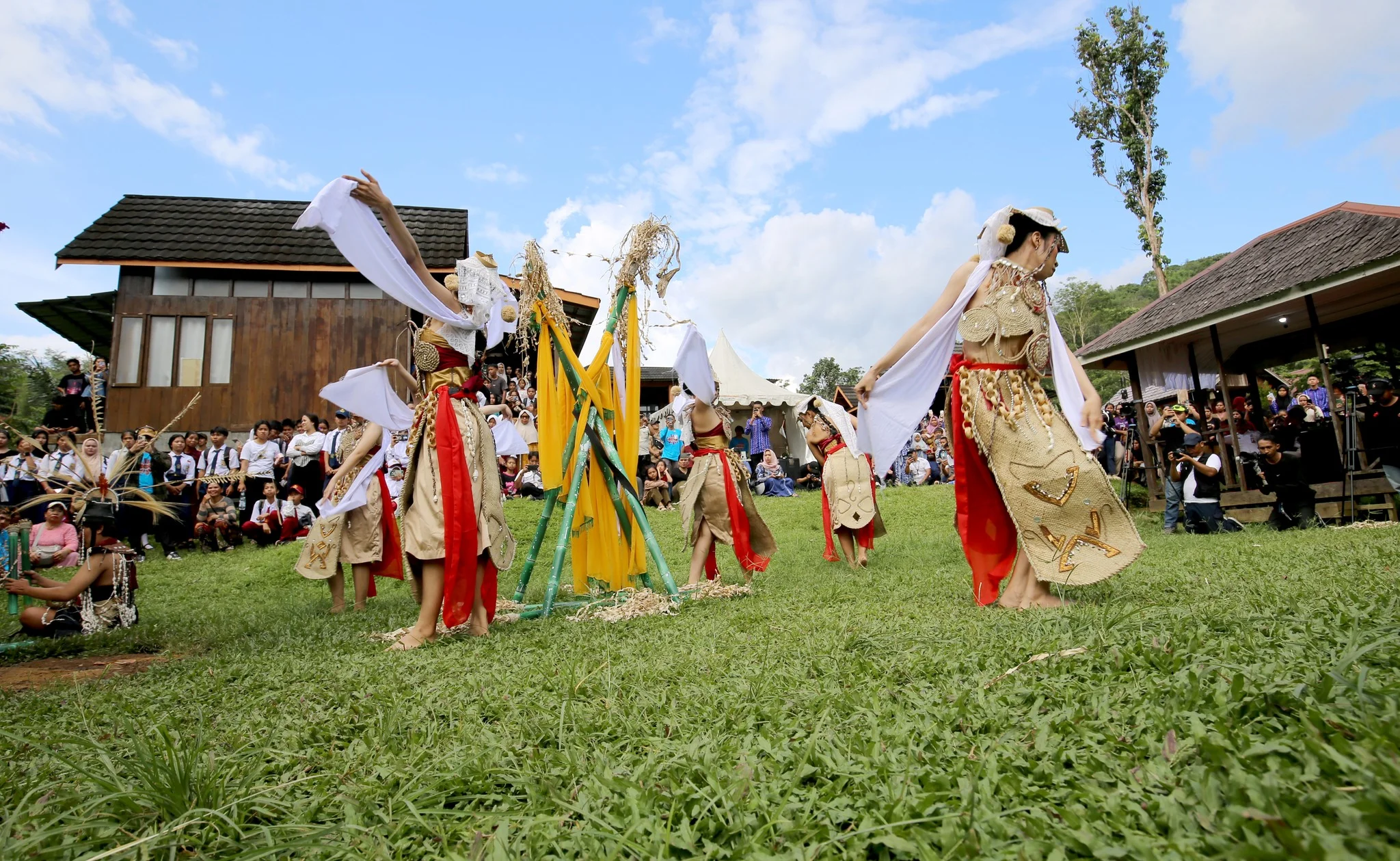
RRI.CO.ID, Banjarmasin - Centuries-old Indigenous taboos guarding the Meratus Mountains are being hailed as a blueprint for modern nature conservation. This recognition follows the completion of a landmark two-year study by Indonesia's top scientific body.
The National Research and Innovation Agency (BRIN) wrapped up its Year II 2026 expedition on Tuesday, June 2, 2026. The mission delivered an exhaustive cultural audit of the Dayak communities in Loksado, Hulu Sungai Selatan (HSS) Regency, South Kalimantan.
Researchers revealed that the community's ancestral belief system, long dismissed by outsiders as mere superstition, functions as a highly sophisticated, self-enforcing ecological protection framework.
"This in-depth research focused on examining the customs, oral traditions, and culture of the local residents, particularly the Dayak people who inhabit the Loksado Meratus Mountain range," said Head of Research and Innovation for Advanced Indonesia (RIIM) at BRIN’s Research Center for Language, Literature, and Community, Dessy Wahyuni.
She formally presented the expedition's final report to HSS Regent Syafrudin Noor at his office in Kandangan on Tuesday, June 2, 2026.
The core of the study centers on Pamali Meratus, an intricate system of customary prohibitions rooted in the Indigenous Kaharingan faith. According to verified data compiled by the BRIN team, these ancestral laws have successfully regulated human interaction with the environment for generations.
The restrictions directly mirror modern ecological conservation goals, strictly forbidding the logging of trees in sacred forests and banning the use of poison, chemical toxins, electricity, or explosives for fishing.
The environmental safeguards extend deeply into wildlife and resource management. Under Pamali law, it is strictly forbidden to hunt animals during their mating, nesting, or pregnancy seasons.
Indigenous law also prohibits opening agricultural fields in upstream river zones, dumping waste or scattering offerings carelessly near natural springs, and logging prized ironwood (ulin) trees indiscriminately.
Furthermore, cutting new paths through the jungle without performing a ritual is banned, as piercing the dense forest is believed to disturb the guardian spirits of nature and must be preceded by a small offering.
Violating these rules carries immediate, tangible consequences. "Offenders who do not comply will be tried at the customary hall, facing strict sanctions in the form of livestock fines," Desy explained, as quoted by Antara.
The research also highlighted Pamali Mamuai, a taboo governing the harvesting of wild honeybee (wanyi) nests. The law forbids the use of excessive smoke and fire, requiring harvesters to leave a portion of the bee colony intact to ensure they can breed for the following season.
This specific rule has single-handedly preserved the sustainable production of wild forest honey in the Meratus region for centuries.
Rather than allowing the findings to gather dust on institutional shelves, BRIN plans to compile the entire two-year study into a comprehensive book. The publication is projected to serve as a vital literacy tool for the younger generation to preserve their Loksado roots, while simultaneously functioning as an educational guide for eco-tourists visiting the region.
HSS Regent, Syafrudin Noor, expressed deep appreciation for the national research team's dedication to documenting the region's intangible heritage. He noted that the findings should redefine how the area is marketed to the world.
"We hope the results of this research will be able to educate the wider public and tourists,"he said.
He emphasized that the local administration wants the outside world to recognize Loksado for more than just its stunning scenic landscapes. Instead, he views the region as an inseparable tapestry of noble customs and local culture that has long upheld high moral values, ethics, and environmental sustainability. ***
News Recomendation
Loading latest news.....