



GIZ and Ministry Boost Youth Environmental Literacy Through Mangrove Education
- 02 Jun 2026 15:35 WIB
- Voice of Indonesia
Key Points
- GIZ and the Ministry of Environment trained 120 Jakarta students in mangrove conservation through hands-on field learning at Angke Kapuk.
- The initiative supports Indonesia’s biodiversity strategy by preparing youth as future leaders in climate and environmental protection.
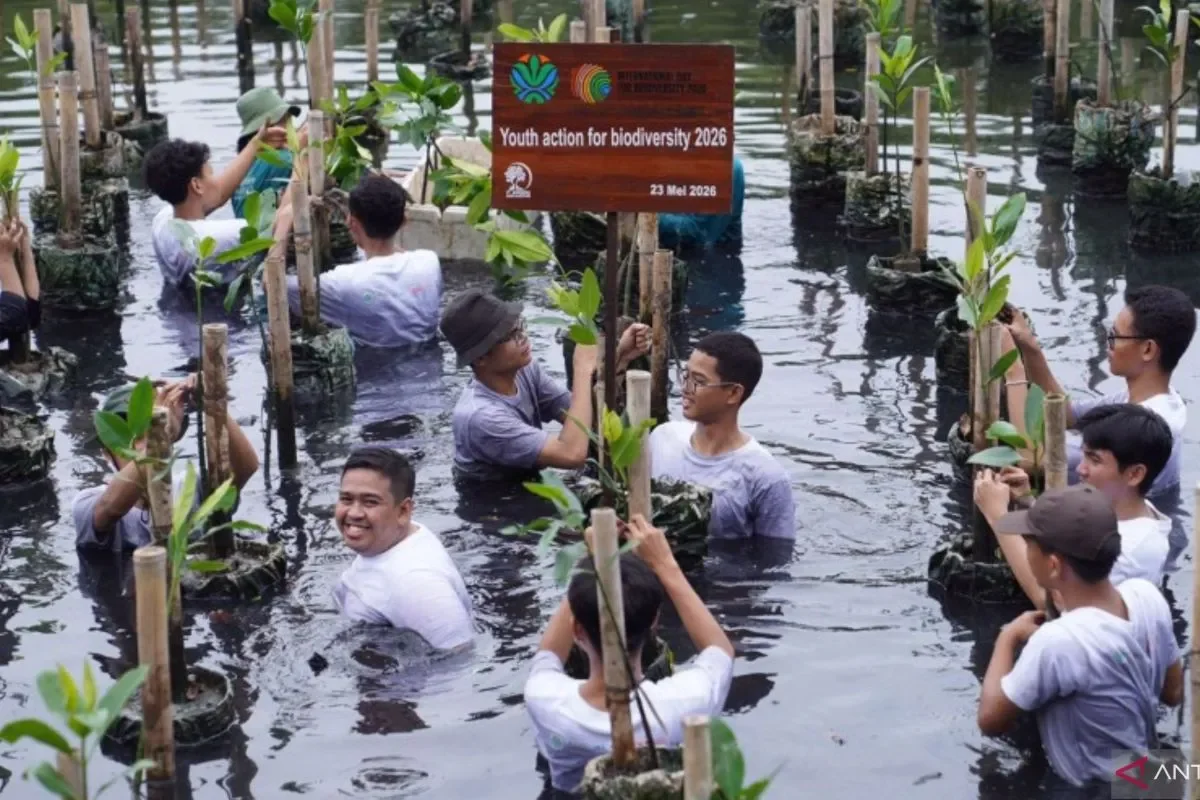
RRI.CO.ID, Jakarta - The International Climate Initiative (IKI) of the Deutsche Gesellschaft für Internationale Zusammenarbeit (GIZ), in collaboration with the Indonesian Ministry of Environment and the Environmental Control Agency (KLH/BPLH), has launched a joint educational campaign aimed at boosting environmental literacy among the younger generation. The strategic partnership focuses heavily on highlighting the critical role of urban mangrove ecosystems as essential ecological barriers for the capital city.
The hands-on learning initiative was hosted at the Angke Kapuk Nature Tourism Park (TWA Angke Kapuk) in North Jakarta, chosen specifically because it represents one of the most vital urban mangrove conservation zones in the metropolitan area. Lead Communication Unit for the Resilient Nature Cooperation Area at GIZ Indonesia, Gandabhaskara Saputra, explained that the educational workshop served as the official closing event for International Biological Diversity Day commemorations.
"The activity at the Angke Kapuk Nature Reserve is the closing event of the International Day for Biodiversity commemoration, a collaboration between GIZ and the Ministry of Environment. This event provides hands-on experience and education on the importance of biodiversity for the younger generation, who are frontliners in maintaining environmental sustainability," Gandabhaskara Saputra stated in a press release on Tuesday, June 2, 2026, as quoted by Antara.
The experiential learning program directly engaged 120 senior high school (SMA) and vocational school (SMK) students alongside their supervising teachers from various institutions across the Jakarta region.
Rather than remaining confined to traditional classrooms, students spent the day interacting directly with nature. They were trained to identify diverse species of coastal flora and fauna, while gaining a comprehensive understanding of how mangrove ecosystems adapt to combat global climate change and mitigate shoreline abrasion.
This collaborative educational framework directly aligns with the seven strategic steps outlined in the Indonesian Biodiversity Strategy and Action Plan (IBSAP) 2025–2045, which explicitly positions the youth as the vanguard of future conservation efforts through targeted literacy enhancement and environmental stewardship.
By deploying this interactive educational model, the international partnership intends to arm the next generation with the knowledge necessary to champion local climate action, creating a ripple effect that supports global sustainability.
The immersive field experience successfully transformed how the young participants perceive environmental preservation, bridging the gap between theoretical school textbooks and concrete, boots-on-the-ground conservation work.
Vincent Suhardo, an attending student from Yadika 2 Vocational High School, expressed how the field program expanded his horizon regarding coastal plants.
"I've come to understand more about mangroves, something I didn't know before. Initially, I only knew that mangroves grew along the coast. Through this activity, I learned that mangroves can prevent abrasion, withstand weather changes, and thrive in muddy soil. I've also learned about different types of mangroves and met new friends," Vincent Suhardo shared.
As a long-standing international development partner that has worked closely alongside the Indonesian government for more than five decades, GIZ envisions these ongoing synergies with the Ministry of Environment and the national education sector as a sustainable blueprint for the future.
The overarching goal of the initiative is to consistently nurture young, active agents of change who are fully equipped to preserve Indonesia's rich biological diversity. Ultimately, this youth-led ecological movement is seen as a cornerstone for securing both the long-term health of the planet and the sustainable development goals of the Indonesian nation. ***
News Recomendation
Loading latest news.....