



Tracing the Footsteps of Batak Culture Through 5 Museums Around Lake Toba
- 13 Jul 2026 12:03 WIB
- Voice of Indonesia
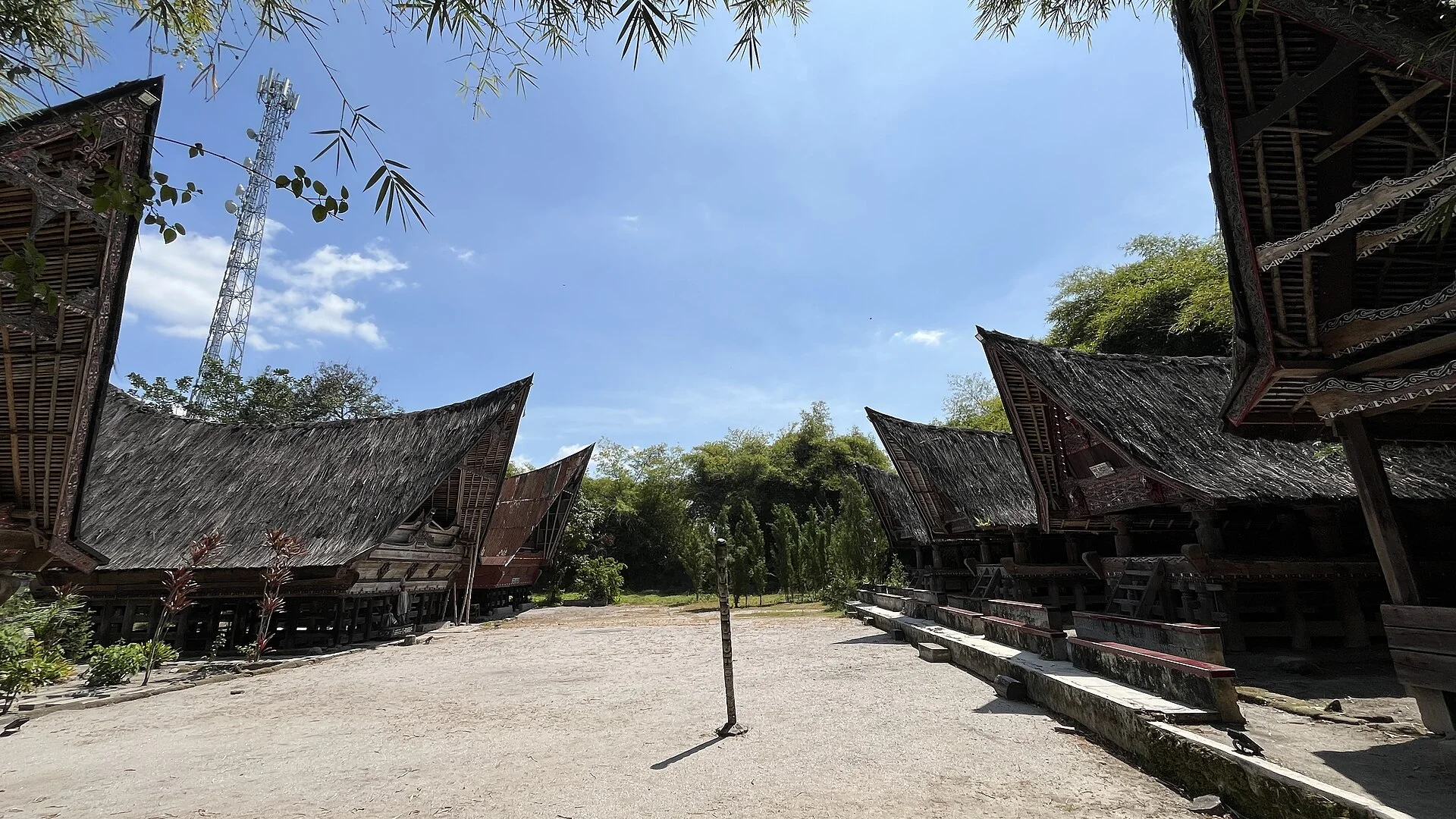
RRI.CO.ID, North Sumatra - Lake Toba is not only one of the largest volcanic lakes in the world, but also the cultural center of the Batak people in North Sumatra. This area holds a long history of Batak civilisation through various cultural relics, arts, and traditions that are still preserved to this day.
Quoted from the official Wonderful Indonesia website, one way to get to know the identity and cultural richness of the Batak people more closely is by exploring the museums scattered around Lake Toba. These museums house various historical collections, ranging from traditional artifacts, ritual objects, traditional clothing, to stories of prominent figures in Batak society.
Here are five Batak museums that can be an educational tourism option when visiting the Lake Toba area:
1. Museum Huta Bolon Simanindo
Located in the northern part of Samosir Island, the Huta Bolon Simanindo Museum was the former residence of King Sidauruk and his family. Since it opened to the public in 1969, this museum has become one of the centers for the preservation of Batak Toba culture.
This museum houses various collections such as pustaha laklak or ancient Batak manuscripts, tunggal panaluan, solu bolon, and traditional ritual objects. In addition to seeing the magnificent traditional Batak houses, visitors can also watch cultural performances such as the tortor dance and the sigale-gale puppet at certain times.
2. Museum Tomok
Still on Samosir Island, Tomok Museum offers a glimpse into the daily life of the Batak Toba community through its collection of traditional houses, Rumah Bolon. This museum houses various cultural artifacts such as traditional weapons, household tools, agricultural implements, and ulos cloths with diverse motifs.
Another uniqueness is seen in the typical Batak ornaments or gorga that adorn the museum building. The motif not only serves as decoration but also holds philosophical value and represents the identity of the Batak Toba community.
3. Museum Letjen Jamin Gintings
Located in Karo Regency, this museum was built to commemorate the services of the national hero from the Karo ethnic group, Lieutenant General Jamin Gintings. Established in 2011, the museum showcases the life journey and struggles of the figure through various personal belongings, historical documentation, and miniatures of Karo traditional houses.
The museum building, which has a shape resembling a peanut, also has its own appeal because it symbolizes protection and resilience.
4. Museum Batak TB Silalahi Center
The Batak TB Silalahi Center Museum is located in Silalahi Village, on the shores of Lake Toba. This museum was established to preserve Batak cultural heritage while also introducing the diversity of the six Batak sub-ethnic groups, namely Toba, Karo, Simalungun, Pakpak, Mandailing, and Angkola.
The museum showcases General TB Silalahi's personal items, historical archives, and various exhibitions that depict the life and culture of the Batak people from various sub-ethnic groups.
5. Pusaka Karo Museum
The Pusaka Karo Museum serves as a repository for various cultural heritage artifacts of the Karo people, with over 800 collections of artifacts dating back to the 18th century. The collection includes agricultural tools, hunting equipment, traditional crafts, and ancient Karo Batak manuscripts written on tree bark.
Through these museums, tourists can get to know more closely the history, customs, and cultural values of the Batak people that have been passed down through generations. Visiting the Lake Toba area not only offers natural beauty but also the experience of understanding the rich cultural heritage of the archipelago that is still alive today.
News Recomendation
Loading latest news.....