



Wonogiri and Maros Karst Sites Emerge as Hubs for National Geological Education
- 11 Mei 2026 08:51 WIB
- Voice of Indonesia
Key Points
- The Indonesian Karst Museum and Botolempangan Karst Palace have become major educational hubs for understanding Indonesia’s unique karst ecosystems.
- Both sites promote public awareness of geological conservation while facing challenges such as industrial pressure and land exploitation.
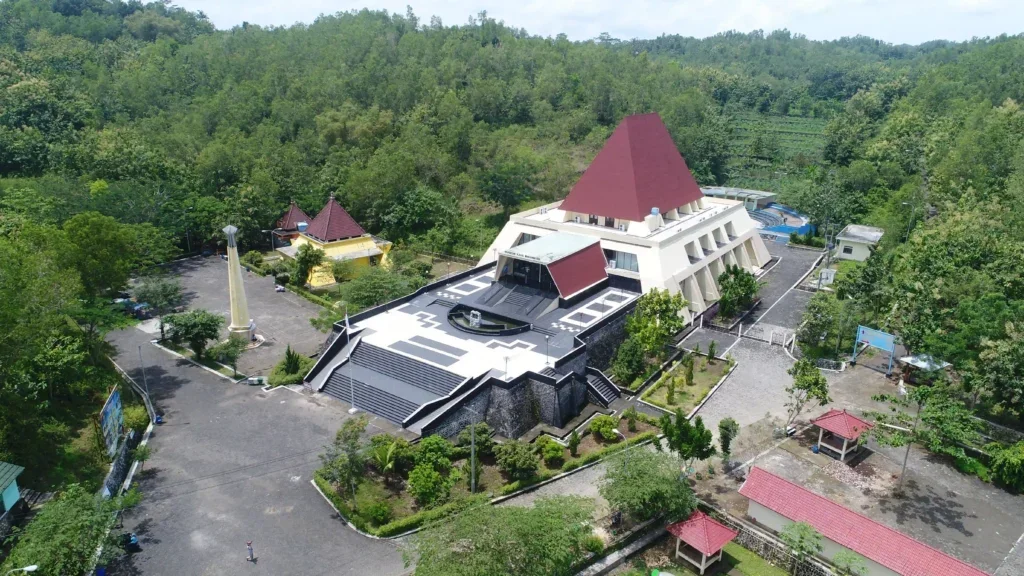
RRI.CO.ID, Jakarta - The Indonesian Karst Museum in Wonogiri, Central Java and the Botolempangan Karst Palace in Maros, South Sulawesi have solidified their positions as Indonesia’s premier destinations for nature-based education. These sites offer a deep dive into the prehistoric formation of limestone landscapes, bridging the gap between complex geological science and public awareness.
According to a guide at the Indonesian Karst Museum, Prasetyaningsih, the facility’s primary mission is to demystify the term karst for the general public. Despite the ecological importance of these regions, the terminology remains unfamiliar to many Indonesians.
“The primary goal is to provide a deep understanding, as the term karst is currently still considered very unfamiliar by the public,” Prasetyaningsih said during a discussion with Pro3 RRI on Sunday, May 10, 2026.
The Indonesian Karst Museum, located in Central Java, currently holds the title of the largest karst museum in Southeast Asia. It provides a comprehensive overview of karst systems, ranging from their geological birth to the unique socio-cultural life of the communities living within them.
Meanwhile, the Maros region boasts a landscape recognized as the second-largest karst area in the world, surpassed only by China. Asmar, the head of the Botolempangan Karst Palace Tourism Awareness Group (Pokdarwis), has been developing the site since 2016 to highlight its global significance.
“When I first started pioneering this Karst Palace in 2016, I built the organization that year. Because this karst has so much potential, this karst is the second largest after China,” Asmar explained.
The Botolempangan Karst Palace is characterized by towering, exotic rock formations that invite visitors to engage in cave exploration and rubber boating. However, Asmar noted that the area faces ongoing threats from mining activities. His organization remains at the forefront of efforts to protect these ancient stones from land exploitation.
In addition to geological displays, the Wonogiri museum houses replicas of prehistoric human remains found in Indonesian caves, illustrating the intrinsic link between karst landscapes and early human civilization. Visitors are also encouraged to explore the natural surroundings, which feature seven nearby caves, three of which are currently open to the public.
“Seeing the caves, that is what a karst area is. Then there are also the collections in the museum, such as photographs that explain what those karst hills look like,” Prasetyaningsih added.
Through affordable entry fees and immersive experiences, these destinations aim to foster a sense of environmental stewardship. By transforming limestone hills into classrooms, the managers of these sites hope to ensure that Indonesia’s unique geological heritage is preserved for future generations. (Naura Sofia/EN)
News Recomendation
Loading latest news.....