



Dumaring Limestone Geosite Becomes National Model for Karst Conservation
- 11 Jul 2026 11:32 WIB
- Voice of Indonesia
Key Points
- Dumaring Geosite in Berau recognized as a national model for balancing karst conservation with community-based economic development.
- Local residents boost incomes through social forestry, endemic seedling cultivation, and eco-tourism instead of mining.
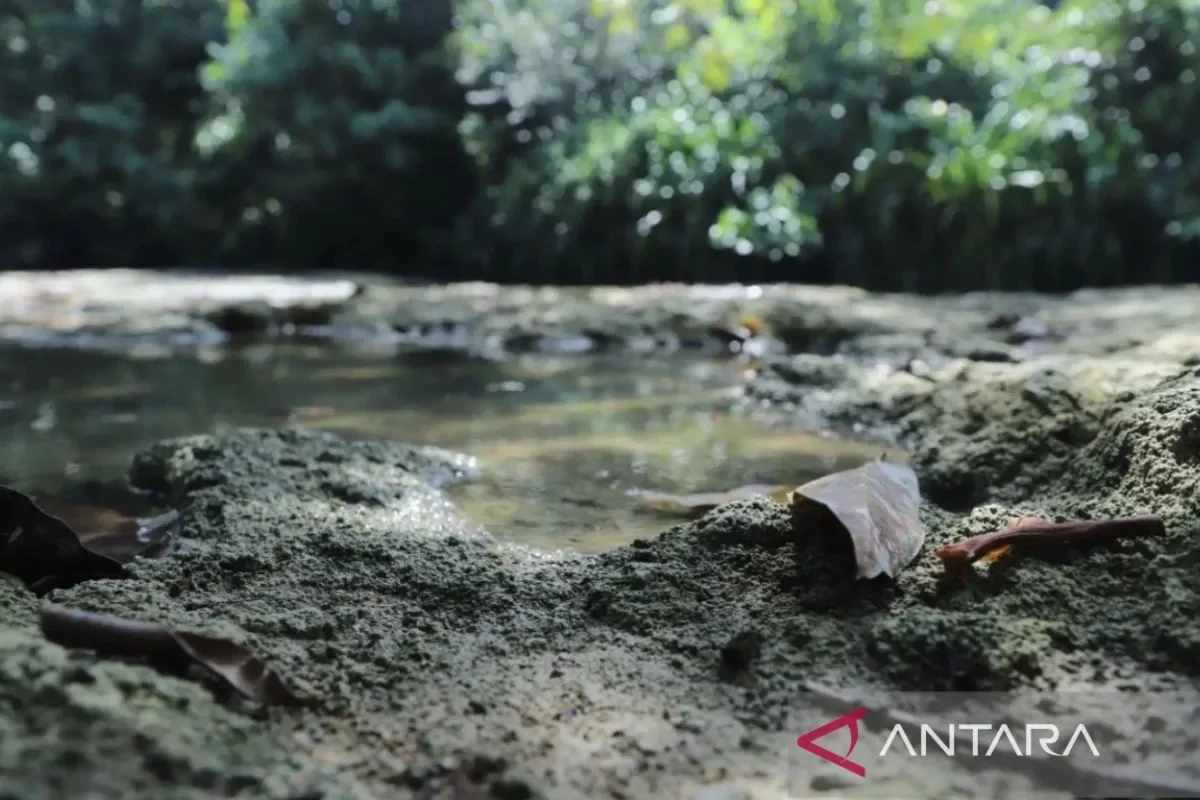
RRI.CO.ID, Berau – Hidden within Berau Regency, East Kalimantan, the Dumaring Limestone Geosite (Batu Gamping Dumaring) is an ancient karst landscape that has long drawn the attention of geologists and conservationists.
Located in Dumaring Village, the site is accessible by road from Tanjung Redeb, the regency capital, and has gradually become known among visitors for its towering limestone cliffs, endemic biodiversity, and community-driven eco-tourism initiatives.
The geosite’s unique appeal lies in its scientific and cultural value.
Geological studies estimate that the limestone formations were created between 11 million and 3 million years ago, making them a living archive of planetary history.
Local communities have also transformed the area into a showcase of sustainable forestry and eco-tourism, cultivating rare seedlings such as Ulin (Kalimantan ironwood), mangroves, and Kapur trees, while developing attractions like the Dumaring Cave Park.
Against this backdrop, the Sangkulirang-Mangkalihat Geopark assessment team officially inspected the Dumaring Geosite on Friday, July 10, 2026, designating it as a national role model for successfully blending environmental preservation with community-level economic empowerment.
“The limestone here is not just an expanse of commodity stone, but the main pillar supporting the sustainability of the karst forest. This structure fully supports the chain of life for various endemic flora and fauna within the area,” said Coordinator of the Dumaring Forest and River Collaboration and Conservation Program, Nandang Muliana, as quoted by Antara.
Through the Social Forestry Business Group (KUPS), residents of Dumaring Village have shifted away from extractive industries toward sustainable livelihoods.
Instead of logging or mining, they cultivate high-value endemic seedlings and harvest non-timber forest products. The program has generated up to IDR 800 million (USD 50,150) for the group’s treasury, directly improving household welfare.
Eco-tourism has become another pillar of the community’s success.
The Dumaring Cave Park operates on an “open trip” concept built on three foundations: public education on cave formation and planetary history, active environmental rehabilitation by visiting tourists, and full community involvement in guiding, hosting, and culinary hospitality.
Nandang emphasized that these breakthroughs stem from applying a “pentahelix” collaboration model, uniting government policymakers, academic researchers, private investors, media advocates, and local communities.
“The visit of the Geopark Assessment Team is concrete proof that an ideal geopark concept does not rigidly focus only on protecting geological heritage,” he said.
He concluded that the Dumaring Geosite demonstrates how equilibrium can be achieved between safeguarding ancient geological layers, advancing green tourism, and improving rural livelihoods. ***
News Recomendation
Loading latest news.....