



Asiana Technologies Unveils Waste-to-Fuel Innovation for Industry
- 12 Agt 2026 06:46 WIB
- Voice of Indonesia
Key Points
- Asiana Technologies introduces waste-to-fuel tech, turning garbage into RDF as alternative energy for industry.
- Smart containers with AI alerts compact up to 20 tons, easing waste transport and reducing pollution.
- RDF fuel already tested in Jakarta; cement firms explore use to cut coal reliance and landfill waste.
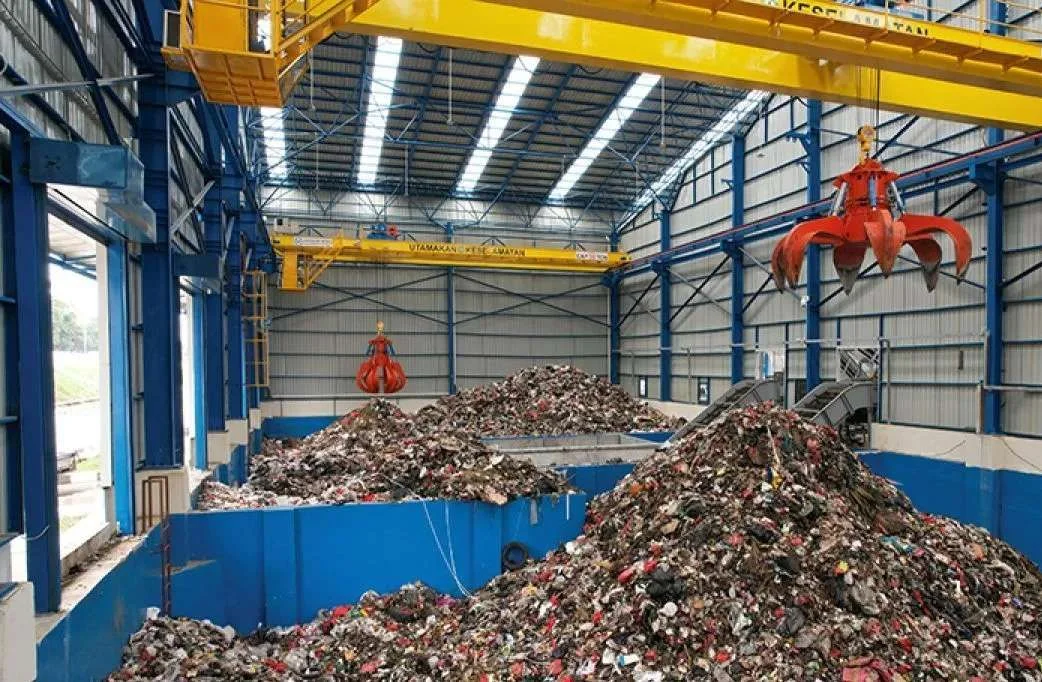
RRI.CO.ID, Jakarta - PT Asiana Technologies, an Indonesian environmental technology company, has introduced a waste-to-fuel technology that converts garbage into Refuse Derived Fuel (RDF), offering both a waste management solution and an alternative energy source for industry.
The innovation was showcased at the Indo Water, Indo Waste & Recycling, Indo Renergy & Electric, Indo Security, Indo Firex, and IISMEX 2026 Expo & Forum at JIExpo Kemayoran, Jakarta. The RDF produced reportedly has a calorific value exceeding 3,500 kilocalories per kilogram, making it suitable as an alternative fuel.
CEO and inventor of Asiana Technologies, Poltak Sitinjak, explained that the system was designed with Indonesia’s waste characteristics in mind, particularly the high moisture content of urban waste.
“Alternative fuel derived from solid waste--whether industrial, organic, or municipal--can be converted into renewable energy we call solid fuel. This fuel can serve as an alternative energy source for industry,” Poltak said in Jakarta on Tuesday, August 11, 2026.
He noted that RDF can be used alongside coal in co-firing systems at industrial facilities. Rather than replacing coal entirely, adoption can be gradual depending on user needs. Waste must first undergo preprocessing, including moisture reduction, before meeting specifications for fuel use.
Beyond waste-to-fuel, Asiana Technologies also introduced a smart container system to support waste transport from temporary collection points (TPS). Each unit can hold up to 20 tons of compacted waste and is equipped with AI to notify operators when full. The closed-container design aims to reduce environmental impact during storage and transport.
The smart container technology originates from Europe, but Asiana plans to manufacture it in Indonesia, targeting a domestic component level (TKDN) above 75 percent.
Poltak said Asiana’s waste-to-fuel system is already in use at Rorotan, Jakarta, processing around 2,500 tons of waste daily. However, he acknowledged that operational capacity and production figures are company-provided and still require verification from relevant authorities.
The processed fuel is intended for industrial use, including cement production. Poltak mentioned Solusi Bangun Indonesia and Semen Indonesia Group as companies that have adopted or explored the alternative fuel. He emphasized that greater use of waste-derived fuel could reduce industry’s reliance on coal while diverting waste from landfills.
Asiana is also in talks with local administrations in Bekasi (West Java), Jakarta, Padang (West Sumatera), Palembang (South Sumatera), and Ogan Komering Ulu (South Sumatera) to expand waste processing partnerships. The proposed model focuses on investment and fuel sales to industry, without relying on regional budgets (APBD) or tipping fees.
“In essence, we process Indonesia’s waste with this technology without using APBD funds or asking for tipping fees. We produce fuel and sell it to industry,” Poltak said. (Diffa Sephiawardhani)
News Recomendation
Loading latest news.....