



BRIN and NTT BBKSDA Launch Genetic Diversity Study on Komodo Dragons
- 18 Jun 2026 22:42 WIB
- Voice of Indonesia
Key Points
- BRIN and BBKSDA NTT launched a study to map the genetic diversity of Komodo dragon populations.
- The research will support conservation efforts, habitat management, and the prevention of illegal wildlife trade.
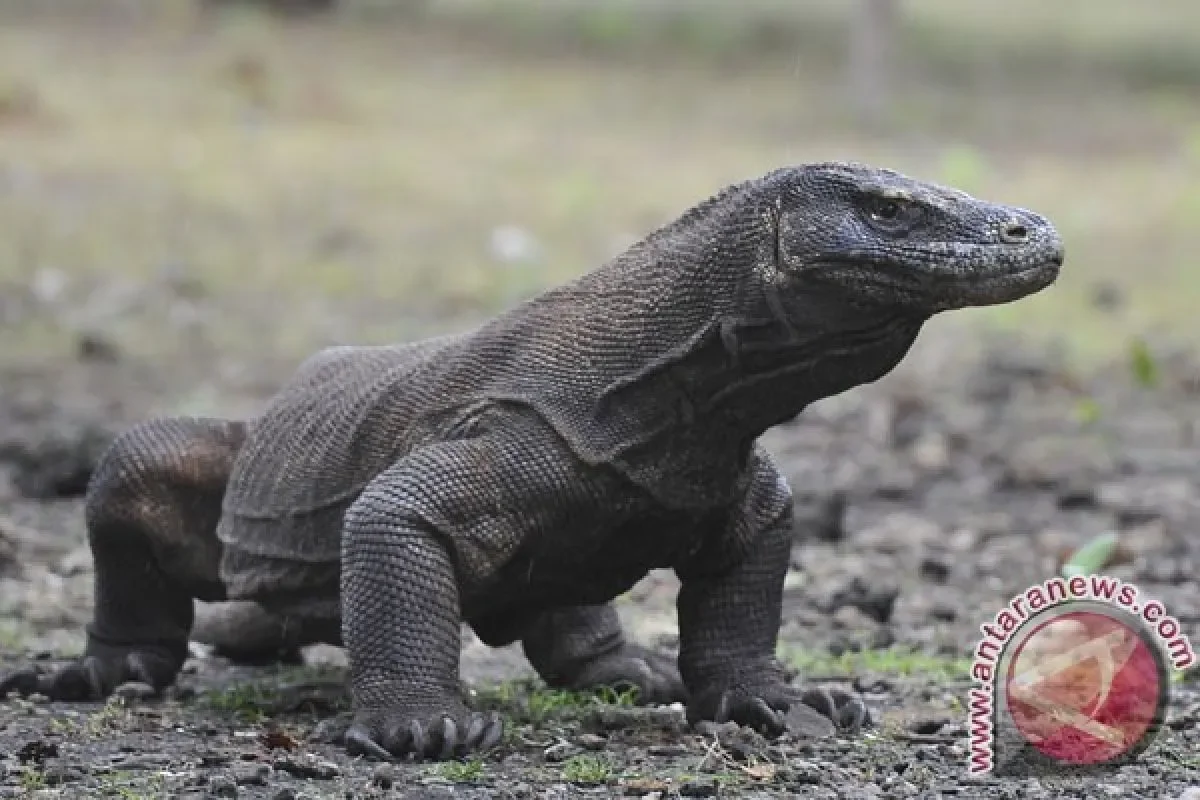
RRI.CO.ID, Cibinong - The Indonesia’s National Research and Innovation Agency (BRIN) has strengthened its role in science-based wildlife policy through a strategic research partnership with the East Nusa Tenggara Natural Resources Conservation Center (BBKSDA NTT), under the Ministry of Forestry.
The two institutions formalized the collaboration by signing an agreement for a joint study titled Study of the Genetic Diversity of the Ancient Komodo Dragon at the Soekarno Science and Technology Area (KST) in Cibinong, West Java, on Monday, June 15, 2026.
The research initiative aims to generate an updated genetic profile of Komodo dragon (Varanus komodoensis) populations managed within BBKSDA NTT’s jurisdiction. The resulting data will serve as a definitive scientific framework to build precise, measurable, and sustainable conservation and management strategies for the iconic lizards within their natural habitats.
Chairman of the Biological and Environmental Research Organization (ORHL) at BRIN, Andes Hamuraby Rozak, emphasized that this partnership builds upon an initial collaborative phase launched in 2025.
"ORHL is proud and challenged to continue collaborating on the study of Komodo dragon genetic diversity. We are very open and enthusiastic about supporting this initiative, as collaboration between various parties is key to planning and implementing Komodo dragon conservation," said Andes, as quoted on BRIN's official website.
Rozak added that evidence-based research forms the bedrock of modern conservation policies, and BRIN remains fully committed to providing swift, highly accurate data to assist ministries and state agencies in tackling natural resource management issues.
Head of BBKSDA NTT, Adhi Nurul Hadi, expressed appreciation for BRIN's continuous data support, pointing out that genetic profiling holds immense strategic value—particularly in mapping out hidden Komodo populations roaming outside the formal boundaries of the Komodo National Park.
"Knowledge of the genetics and differences of Komodo dragons in Flores is crucial. This will form the basis for various future conservation programs, including the development of sanctuaries and rehabilitation of Komodo dragons," explained Adhi.
Furthermore, Adhi explained that comprehensive genetic mapping will significantly optimize law enforcement and conflict mitigation protocols, specifically regarding the illegal wildlife trade and human-wildlife encounters. By running DNA matches on intercepted or rescued dragons, rangers can determine their exact island of origin. This prevents genetic pollution, the accidental disruption of a native population's distinct genetic structure during wild release programs.
"If any Komodo dragons are the result of conflict management or illegal trade, this genetic data will help us determine their origins so as not to disrupt the genetic system of the original population," he added.
The findings are slated to direct long-term zoning plans, including the state’s development and management blueprints for the marine and terrestrial conservation reserves on Ontoloe Island.
From a laboratory standpoint, Head of BRIN's Biota Systematics Research Center, Decky Indrawan Junaedi, reiterated that genetic diversity is the most critical component for the long-term survival of the species. Distinct populations possess unique genetic traits that must be preserved to maintain their evolutionary resilience against diseases and changing climate variables.
"This genetic diversity is important because the primary goal is to maintain the genetic diversity of Komodo Island and the Komodo dragon population within the area. This activity also aligns with the Biota Systems Research Center's mission to conduct ecological studies on Indonesian biota species, including endemic and endangered species," explained Decky.
As an endemic species of immense global ecological value, the Komodo dragon faces multi-faceted conservation challenges. Its classification as a highly protected and endangered animal demands sophisticated, data-driven management.
Beyond saving a single iconic species, BRIN intends to use this project to expand Indonesia’s national open-access scientific biodiversity registry, laying down a highly structured genomic foundation to safeguard the archipelago's broader flora and fauna for decades to come. ***
News Recomendation
Loading latest news.....