



BRIN Develops Corrosion-Resistant Clad Metal Plate with Nano-Nickel Interlayer
- 30 Jul 2026 16:39 WIB
- Voice of Indonesia
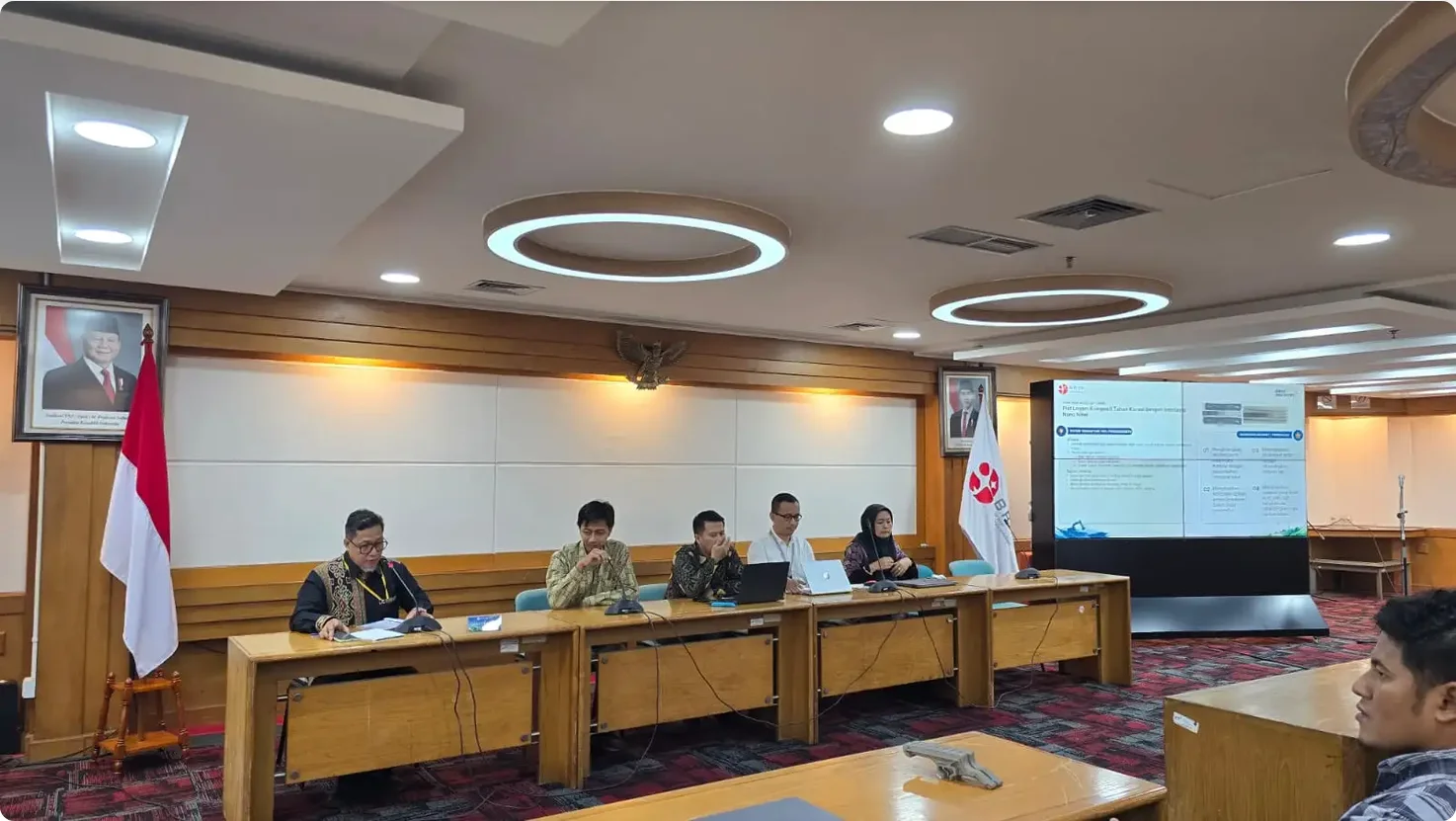
RRI.CO.ID, Jakarta - The National Research and Innovation Agency (BRIN), through the Metallurgical Research Center under the Nanotechnology and Materials Research Organization (ORNM), is developing corrosion-resistant composite metal plate technology with a nano-nickel interlayer to support the downstreaming of strategic industries. This innovation was presented by researcher, Moch Syaiful Anwar, at the BRIN Goes to Industry 5 event in Jakarta.
In a press release received by RRI VOI on July 29, 2026, the technology was designed to meet the needs of the oil and gas, petrochemical, power generation, maritime, and metal fabrication sectors, which require materials that can withstand high pressure and corrosive environments. This invention has now received registered patent status under number P00202502674.
Technically, this innovation involves a method for manufacturing clad plates for pressure vessel applications in the chemical and oil and gas industries. According to him, the working environment in these industries is highly corrosive, requiring highly durable materials.
The developed material combines three distinct layers in a single structure: carbon steel as the substrate, super duplex stainless steel as the outer corrosion protection, and a nano nickel interlayer between the two. The addition of this nanoscale interlayer is the key difference compared to conventional cladding methods currently used.
The nano nickel interlayer suppresses oxidation at the material interface during the joining process, resulting in a stronger bond between the layers. The nanometer-thickness of the interlayer also allows for a more homogeneous bond without significantly increasing the material thickness.
The manufacturing process begins by assembling the three materials into a single package, followed by initial TIG welding to maintain the stability of the layers. The material package is then heated to a temperature of around 1,000-1,100 degrees Celsius before being further processed using hot rolling techniques to form a complete composite plate.
This technology is currently at Technology Readiness Level (TRL) 3-4 and requires further validation before commercial implementation. Nevertheless, Syaiful believes the downstreaming opportunity is promising because it can add value to national steel products, reduce losses due to corrosion, and open up investment opportunities for developing production facilities on an industrial scale.
News Recomendation
Loading latest news.....