



Abalone, Rich in Nutrients and Having High Economic Value
- 04 Sep 2025 11:26 WIB
- Voice of Indonesia
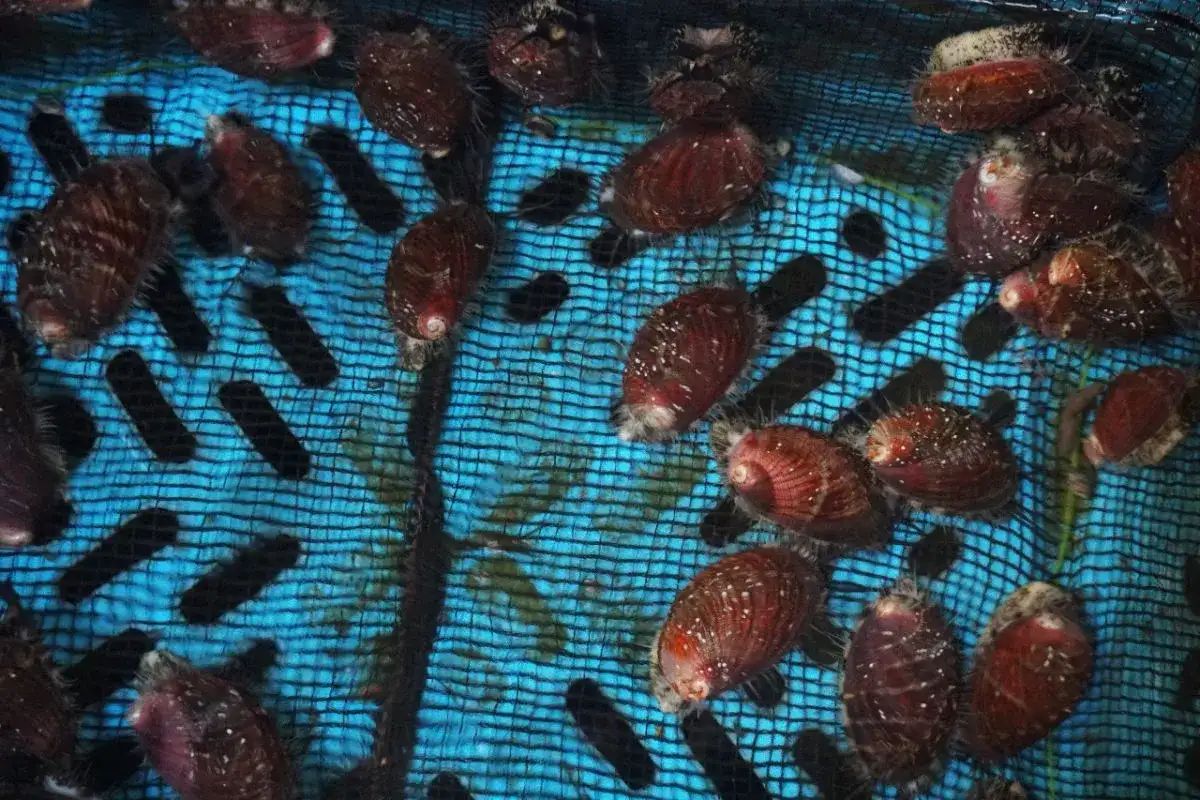
KBRN, Yogyakarta: The Indonesian National Research and Innovation Agency (BRIN) highlights the vast potential of Indonesia's marine resources, particularly abalone (Haliotis spp.) along the coast of Gunungkidul, Yogyakarta. Abalone, a kind of marine mollusk, rich in nutrients and having high economic value, is the focus of research aimed at supporting coastal community welfare.
Senior Researcher at the BRIN Center for Food Technology and Process Research (PRTPP), Dwi Eny Djoko Setyono, said that of the seven species of abalone found in Indonesia, four are found in the Gunungkidul sea area, such as Haliotis asinina, Haliotis squamata, Haliotis varia, and Haliotis ovina.
“The long coastline provides a suitable ecosystem to support abalone growth,” said Djoko in his statement in Gunungkidul on Thursday, September 4, 2025, as quoted by brin.go.id.
He revealed that abalone is high in protein, containing around 20 grams per 100 grams of meat and Omega-3 and Omega-6 fatty acids, which are beneficial for heart health. They are also rich in minerals such as calcium, phosphorus, and iron, vital for strong bones and preventing anemia.
In addition, abalone is a healthy, low-fat food option that is almost cholesterol-free and rich in vitamins A, B12, and E for healthy eyes, nerves, and skin. “High vitamin E contributes to healthy skin and protection against free radicals, while zinc boosts the body's antibodies,” said Djoko.
The abalone's entrails and mucus are also rich in anti-inflammatory and anti-swelling enzymes that can potentially be developed into innovative medicines and anti-aging cosmetic products. “Hence, abalone is a strategic asset for the food, health, and creative industries due to its high economic value and exceptional nutritional content,” said Djoko.
Despite its great potential, abalone farming in Gunungkidul faces significant challenges. One of the main obstacles is the high tide characteristics of the southern coast of Java, which make it challenging to determine a safe and optimal location for farming.
Currently, fishermen can only catch abalone traditionally during long low tides, which occur during the full moon and new moon phases. “(As a result) abalone supplies as a culinary ingredient in Gunungkidul are inconsistent,” he explained.
Djoko proposed a comprehensive sustainability-based solution to overcome these challenges and ensure abalone supply sustainability. First, restocking or seeding as many abalone as possible in their natural habitat is necessary.
Second, strict regulations must be established so that fishermen only catch abalone with shells longer than 5 centimeters. “This is because at this size, the abalone have already laid eggs and contributed to the population regeneration process in nature,” he said.
Djoko expressed hope that a controlled cultivation approach, massive seed restocking, and wise fishing regulations can make abalone a pillar of coastal community welfare. At the same time, this will preserve the Gunungkidul marine ecosystem and the sustainability of natural resources. ***
News Recomendation
Loading latest news.....