



From Waste to Worth: Indonesian Researcher Turns Coffee Grounds into High-Value Oil
- 21 Mei 2026 13:22 WIB
- Voice of Indonesia
Key Points
- BRIN researcher has successfully developed a method to convert spent coffee grounds into high-value oil with potential uses in cosmetics, food ingredients, and nutraceutical products.
- The study highlights how sustainable extraction technologies could reduce coffee waste pollution while creating new economic opportunities.
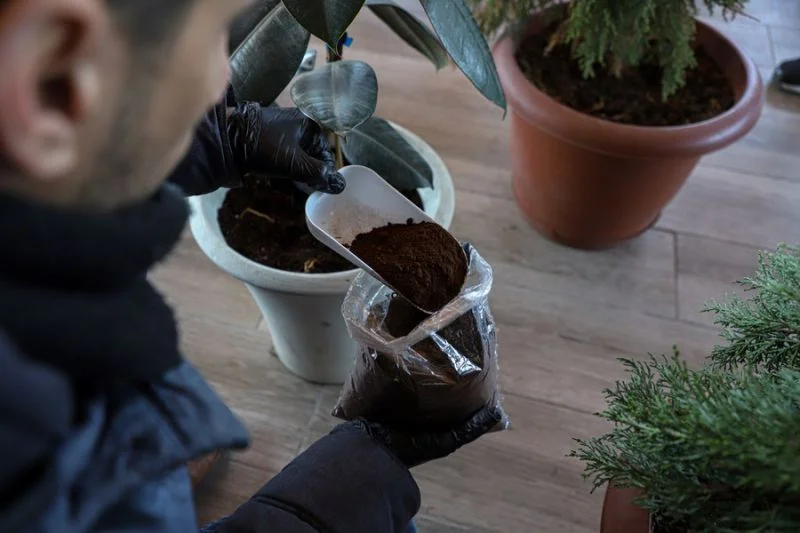
RRI.CO.ID, Jakarta - As global coffee consumption continues to climb, scientists are sounding the alarm over an often-overlooked consequence: the growing mountain of spent coffee grounds (SCG).
While the world is expected to produce 10.73 million tons of coffee beans in 2025-2026 and consume about 10.43 million tons, the waste left behind poses serious environmental risks--from methane and carbon dioxide emissions at landfills to soil acidification and inhibited plant growth.
Seeking solutions, researcher Fawzan Sigma Aurum at the Indonesian National Research and Innovation Agency’s (BRIN) Center for Food Technology and Process Research is pioneering a way to transform this waste into high-value oil. He argues that coffee grounds, long underutilized, are rich in bioactive compounds with significant economic potential.
His research shows promise for applications in cosmetics and food additives. “This research applies a modern foodomics approach by combining green extraction technologies with advanced metabolomic and lipidomic analysis,” Fawzan said, on Tuesday, May 19, 2026, as quoted on BRIN's official website.
Using the approach, Fawzan has successfully characterized high-quality oil derived from coffee waste. Instruments such as LC-MS-QTOF and LC-MS/MS were employed to identify key metabolites and lipid profiles.
Among the extraction methods tested, ultrasound-assisted extraction (UAE) with ethanol proved most efficient, yielding high-quality bioactive compounds with low lipid oxidation. Supercritical CO₂ extraction with ethanol also preserved bioactive integrity, while the traditional Soxhlet method, though producing the highest yield, led to greater lipid oxidation due to prolonged heating.
The study further identified compounds such as caffeoylquinic acids, caffeic acid, feruloylquinic acid, and glutamic acid, which correlated positively with non-oxidative lipids and other valuable bioactives.
Fawzan hopes the findings will pave the way for sustainable industries in Indonesia, from nutraceuticals and food ingredients to eco-friendly cosmetics. He also sees opportunities for broader collaboration in analytical food chemistry and innovative food development.
This research reframes coffee waste not as an environmental burden but as a resource with untapped potential—offering a glimpse into how science can turn everyday leftovers into drivers of sustainable growth. ***
News Recomendation
Loading latest news.....