



Indonesia’s 127 Active Volcanoes Require Broader Monitoring
- 16 Sep 2026 17:10 WIB
- Voice of Indonesia
Key Points
- Monitoring facilities for Indonesia’s active volcanoes remain uneven, with remote posts still relying on basic seismometers.
- UGM urges the establishment of additional regional monitoring centers in high‑risk areas to ease PVMBG’s central workload and strengthen local mitigation.
RRI.CO.ID, Jakarta – Indonesia’s active volcano monitoring facilities remain unevenly distributed, despite the country having 127 active volcanoes across various regions. This imbalance has raised concerns among experts.
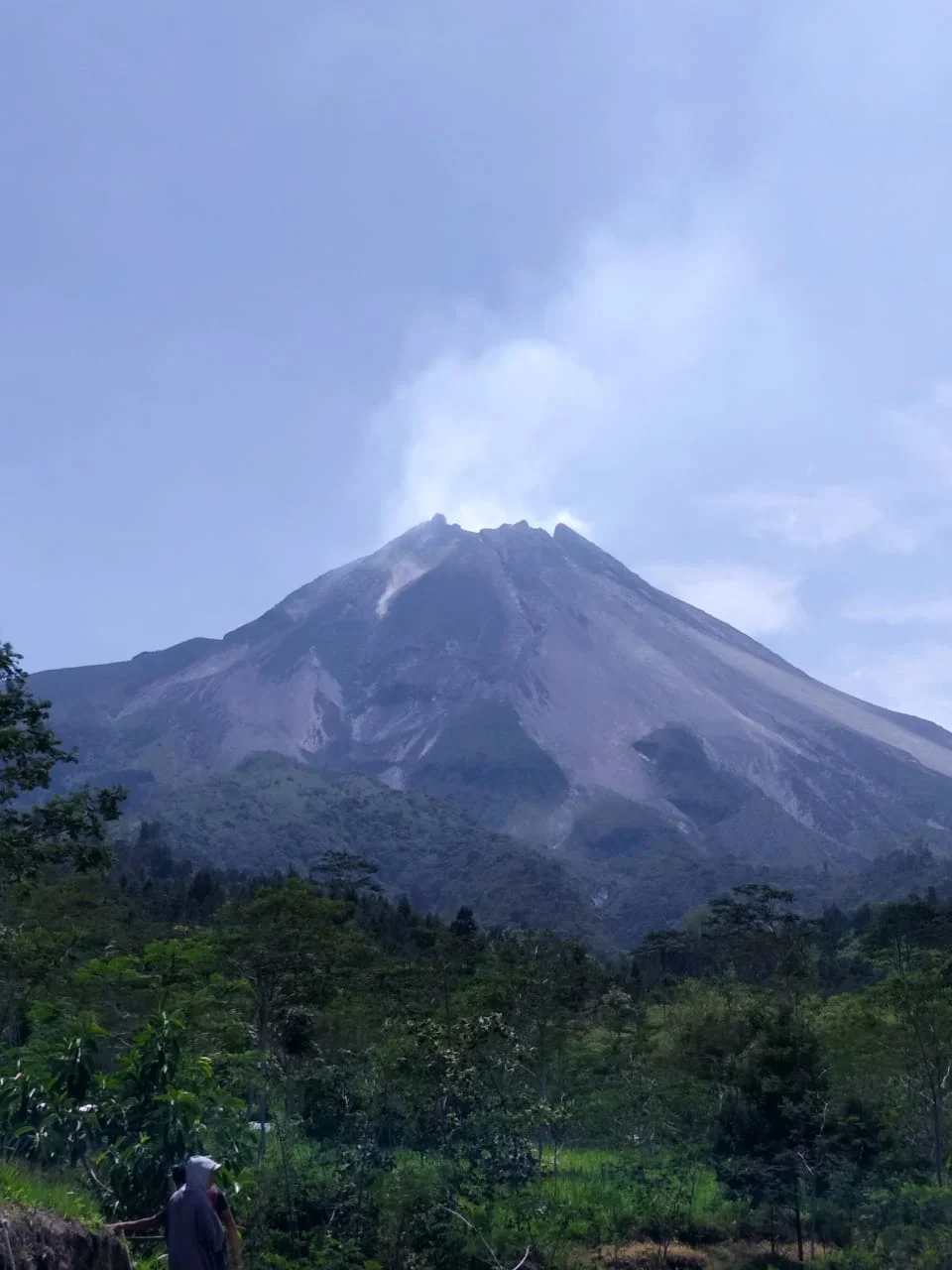
Volcanology expert Prof. Agung Harioko from the Geological Engineering Department at Gadjah Mada University (UGM) said Mount Merapi currently has the most comprehensive monitoring facilities in the country. In contrast, observation posts in remote areas and on outermost islands generally rely only on basic seismic instruments.
“Monitoring equipment is clearly not distributed evenly. Mount Merapi has the best instrumentation, but for some remote volcanoes, we rely solely on seismometers,” Prof. Agung said, as reported by the RRI Pro3 YouTube channel on Wednesday, September 16, 2026.
These limitations result in a lack of secondary data, including volcanic deformation parameters and geochemical gas analysis.
The Center for Volcanology and Geological Hazard Mitigation (PVMBG) actively monitors 69 of Indonesia’s 127 active volcanoes. Of the total, 77 are classified as Type A volcanoes, meaning they have a history of eruptions dating back to 1600 and require direct, real‑time monitoring.
Observation posts in remote regions often lack instruments that can measure magma movement. While seismometers can record seismic activity, they are not sufficient to provide a complete picture of volcanic dynamics.
To strengthen rapid response and surveillance, experts say regional observation posts must be reinforced. Additional monitoring centers in high‑risk areas would streamline disaster‑related analysis.
“More regional centers should be established so the PVMBG team is not overburdened by monitoring numerous volcanoes from a central location,” Agung said.
The presence of regional centers would increase human resources and accelerate the delivery of hazard recommendations to local administrations.
Currently, PVMBG operates only three regional centers located in Yogyakarta, North Sulawesi, and Ende in East Nusa Tenggara. Establishing additional centers in high‑risk regions such as Sumatra and Maluku is considered crucial for strengthening disaster mitigation.
This initiative also includes deploying remote sensing instruments to measure volcanic gas concentrations in hazardous areas. Modern technology allows personnel to conduct intensive monitoring without risking their safety during periods of heightened volcanic activity.
Optimizing volcano monitoring facilities is seen as a long‑term investment in public safety. A combination of equipment modernization, expanded regional units, and community preparedness will help minimize casualties from future eruptions. (Misni Parjiati)
News Recomendation
Loading latest news.....