



KPU Seeks Regulatory Certainty as 2029 Election Preparations Begin
- 01 Sep 2026 23:45 WIB
- Voice of Indonesia
Key Points
- The Indonesian General Election Commission (KPU) estimates that the 2029 election phases will begin in June 2027.
- Preparations for the 2029 election will continue under Law No. 7/2017 until the revised Election Law is formally enacted.
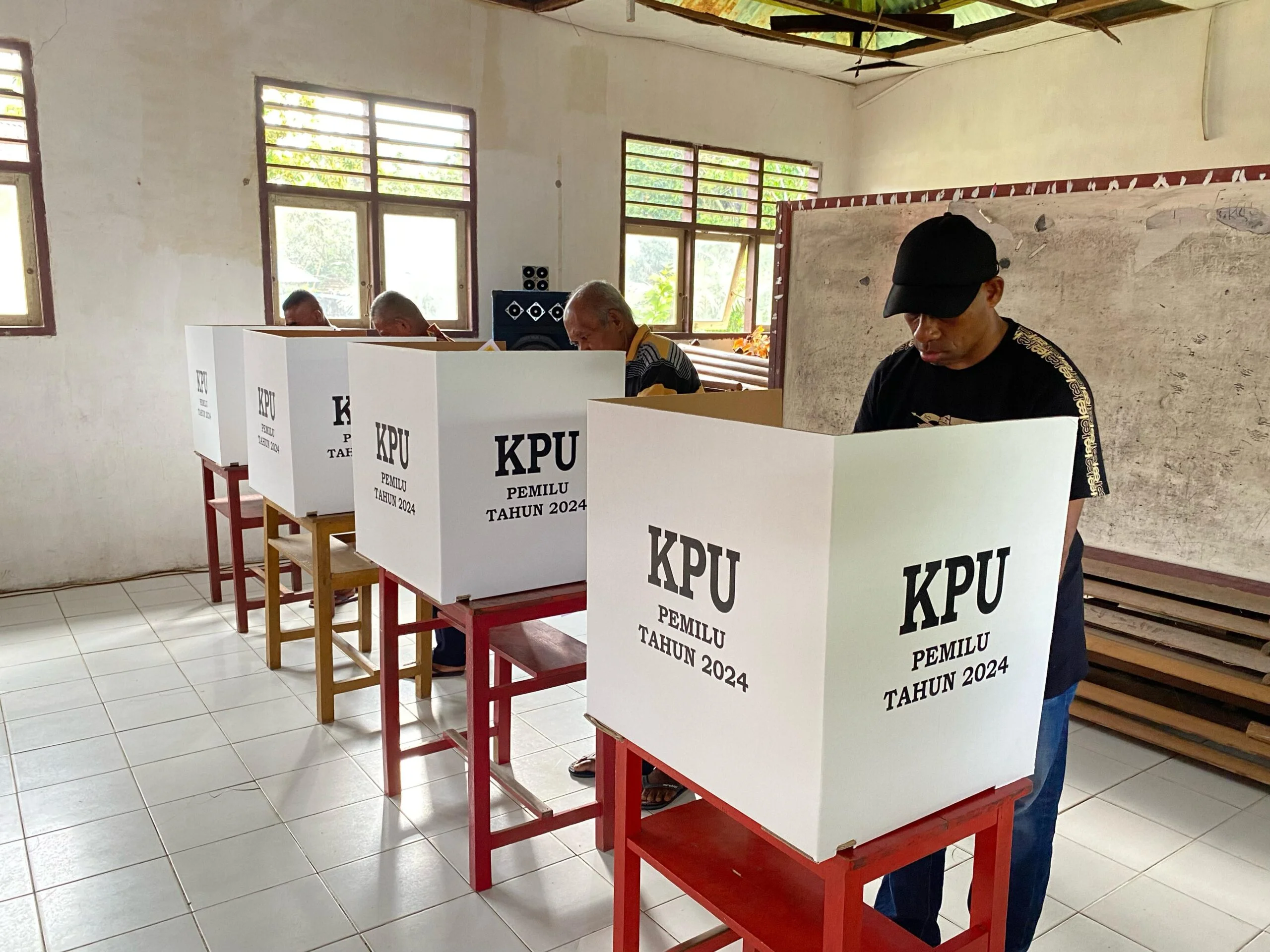
RRI.CO.ID, Jakarta - The Indonesian General Election Commission (KPU) estimates that the 2029 election will begin in June 2027, giving organizers roughly 20 to 22 months to prepare. The commission says it urgently needs regulatory certainty so it can implement any changes to election rules before the stages begin.
KPU Commissioner August Mellaz said preparations for the 2029 election will continue to rely on Law No. 7/2017 on Elections until the Election Law revision is formally enacted.
One of the early processes is the recruitment of election organizers. Under existing regulations, the selection team must be formed six months before the current organizers’ term ends, meaning the process is expected to begin in September 2026.
“The selection process for the 2029 election organizers will continue under the existing legal framework, regardless of the status of the Election Bill discussion in the DPR,” Mellaz said at the 2026 Populi Forum titled Behind the Stalled Discussion of the Election Bill on Tuesday, September 1, 2026, as quoted by Antara.
He cautioned against repeating the rushed deliberations of 2016–2017, when the DPR had not agreed on a single draft, and the government eventually took the lead. Law No. 7/2017 was deliberated for six to seven months, including during Ramadan, before being passed in August 2017 and immediately applied to the 2019 election.
The 2019 election faced several problems, including more than 2,500 polling stations failing to conduct voting on time, over 900 KPU ad hoc officers dying, and the Permanent Voter List being finalized three times.
According to Mellaz, these issues were significantly reduced in the 2024 election. The number of deceased officers fell to around 100, while polling stations that failed to conduct voting on time dropped to around 600, partly due to flooding in Central Java on February 14, 2024.
However, Mellaz noted that more than 22 Constitutional Court (MK) decisions issued between 2017 and 2026 on implementing the Election Law have not yet been incorporated into formal amendments.
One unresolved issue concerns how to allocate DPR and DPRD seats. The KPU has simulated several methods, including d’Hondt, Jefferson, Webster, Sainte‑Laguë, and Huntington‑Hill, along with proportional distribution scenarios.
Perludem Executive Director Heroik Mutaqin Pratama, whose organization focuses on election reform and democratic strengthening, said the Election Bill for 2029 is already behind schedule compared with the drafting of previous election laws. He urged lawmakers to prioritize incorporating MK decisions that have not yet been adopted.
UPN Veteran Jakarta academic Luky Djani said revising the Election Law requires balancing the interests of competing elite factions.
Populi Center Program Director Azriansyah, whose institution conducts research on public policy, elections, and democratic governance, said political interests have contributed to delays and called for reforms that lower barriers to political entry and promote fairer competition.
With the 2029 election stages expected to begin in less than a year, Mellaz said organizers urgently need clarity on the rules. The longer the revision is delayed, the less time the KPU will have to implement changes before the election phases begin. ***
News Recomendation
Loading latest news.....