



Ministry Drafts 2026 Child-Friendly Pesantren Guidelines
- 11 Agt 2026 19:19 WIB
- Voice of Indonesia
Key Points
- The Ministry of Religious Affairs is drafting the 2026 Child-Friendly Pesantren Guidelines.
- The guidelines are designed to strengthen prevention and provide a framework for responding to incidents
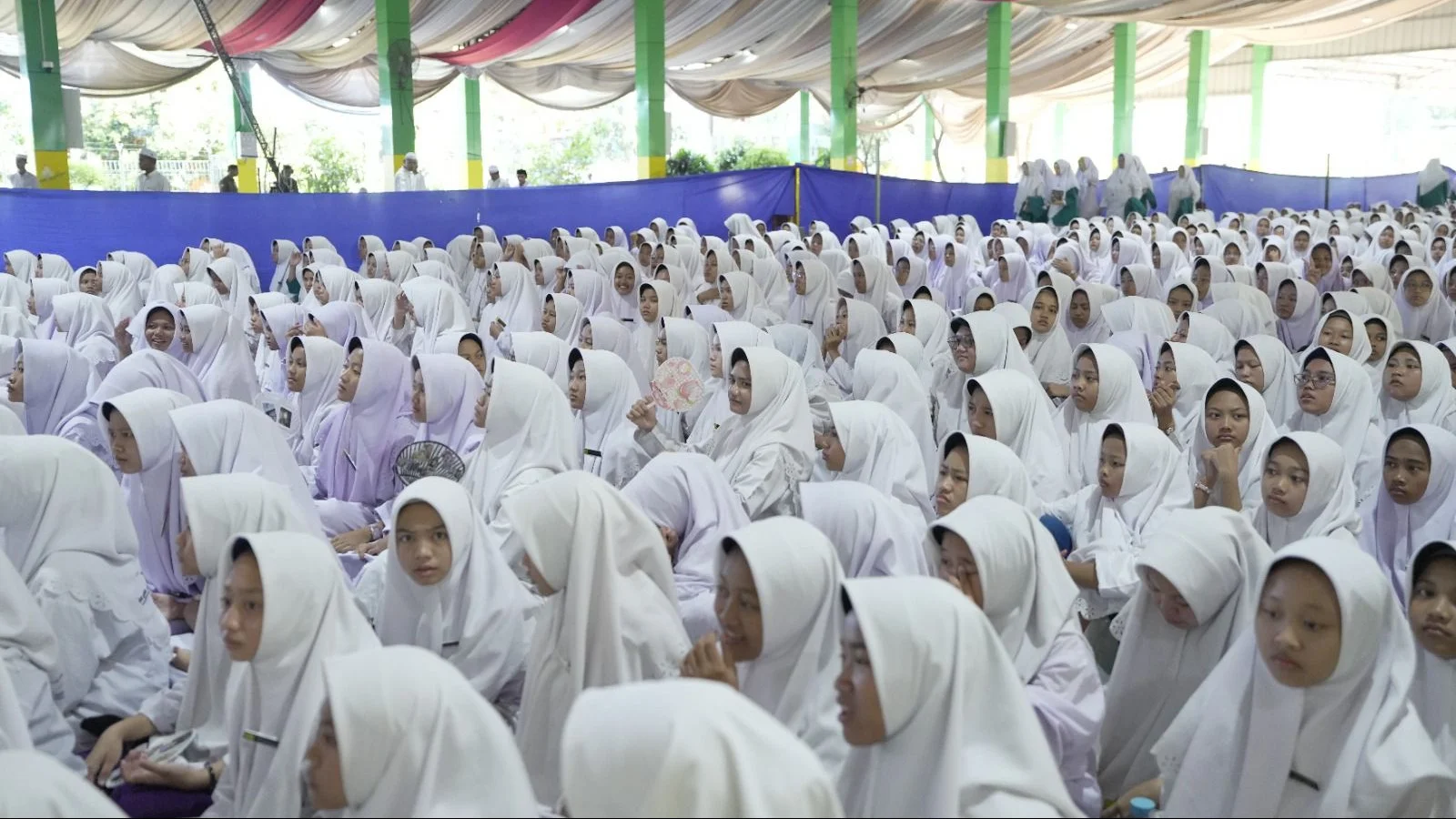
RRI.CO.ID, Jakarta - The Ministry of Religious Affairs is drafting the 2026 Child-Friendly Pesantren Guidelines as a shared framework to strengthen violence prevention and student protection in pesantren environments.
The ministry’s Director of Pesantren, Basnang Said, said student safety is a crucial part of pesantren education, Islamic boarding schools that provide religious learning and character formation in a residential setting.
He emphasized that pesantren should provide a secure and supportive environment where students can learn, grow, and develop to their full potential.
“Student safety and protection must be part of our efforts to build child-friendly pesantren. Pesantren must be safe and comfortable places for learning that provide space for students to grow and develop optimally,” Basnang said on Tuesday, August 11, 2026.
The draft guidelines were discussed on August 10–11, 2026, with representatives from government ministries and agencies, civil society organizations, pesantren institutions, and child protection groups.
The multi-stakeholder discussions aim to incorporate diverse perspectives and ensure the guidelines provide a comprehensive framework for student protection.
Participants included the Indonesian Child Protection Commission (KPAI), the Coordinating Ministry for Human Development and Cultural Affairs, the Ministry of Women’s Empowerment and Child Protection, and the Criminal Investigation Agency (Bareskrim) of the Indonesian National Police.
Pesantren organizations and representatives also took part, including the Majelis Masyayikh (Council of Pesantren Elders), Rabithah Ma’ahid Islamiyah (Nahdlatul Ulama’s Association of Islamic Boarding Schools), the Muhammadiyah Central Board’s Pesantren Development Institute, the Indonesian Ulema Council’s (MUI) Pesantren Commission, and other pesantren representatives.
Basnang said student protection must be integrated into pesantren governance. Beyond providing quality education, pesantren have a responsibility to ensure students can learn and develop in a safe environment.
“Child protection in pesantren is not solely the responsibility of caregivers or the educational institution itself; it requires an ecosystem involving the government, civil society organizations, law enforcement, the community, and the pesantren members themselves,” he said.
The guidelines are designed not only to provide a framework for responding to incidents but also to strengthen prevention. The Ministry of Religious Affairs considers early prevention essential to building an effective protection system for santri, or pesantren students.
Under the proposed guidelines, pesantren are expected to strengthen their capacity to identify potential risks early, prevent violence, and establish protection mechanisms to respond when problems arise. Basnang stressed that these measures should respect the distinctive character, values, and educational traditions of pesantren.
“We want the strengthening of student protection to stem from the noble values of the pesantren themselves. Traditions of mentorship, education, leading by example, and respect for the students’ dignity must serve as strengths in building safeguarding systems within these institutions,” he said. (Misni Parjiati)
News Recomendation
Loading latest news.....