



Women’s Education as a Driver of Social and Economic Change
- 12 Sep 2026 19:59 WIB
- Voice of Indonesia
Key Points
- Minister Arifah Fauzi emphasized that expanding women’s access to education is essential to breaking cycles of poverty and child marriage.
- Achieving gender equality requires multi‑stakeholder collaboration, including government, universities, businesses, communities, and the media.
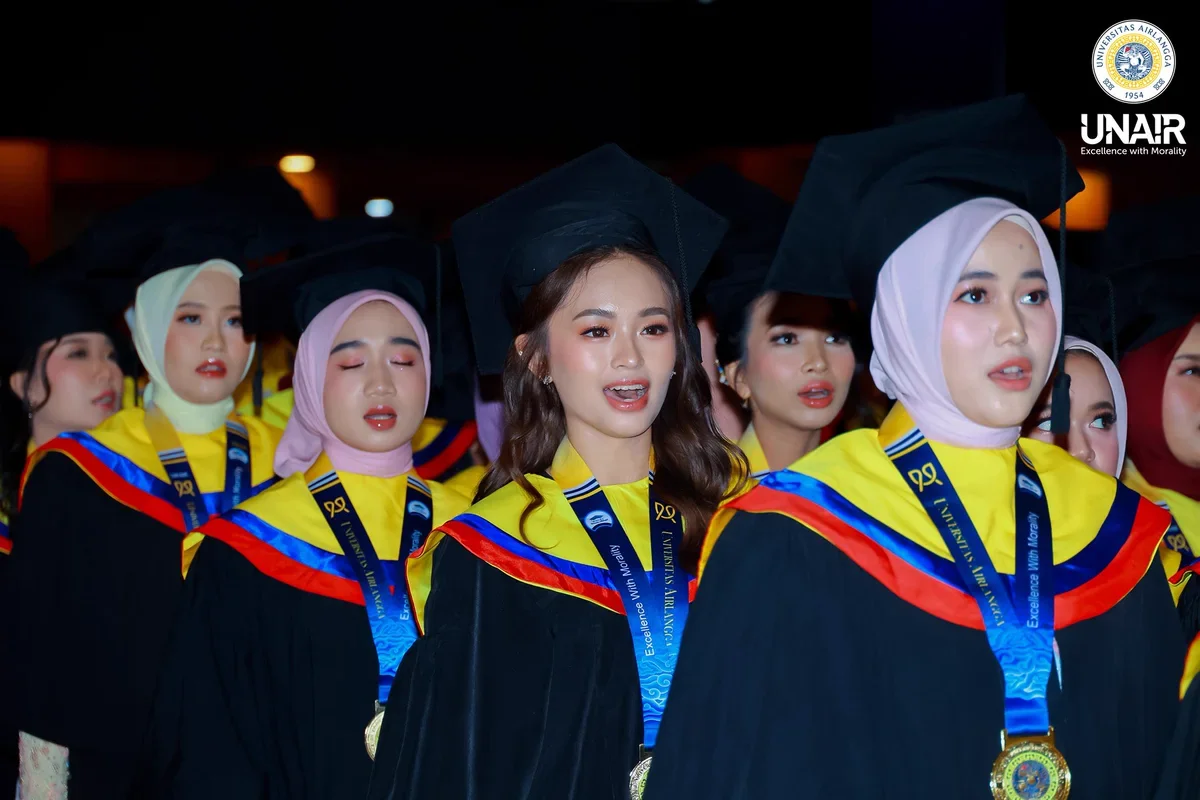
RRI.CO.ID, Surabaya - Indonesian Women’s Empowerment and Child Protection (PPPA) Minister Arifah Fauzi is advocating stronger access to education for women to help break cycles of poverty and child marriage. “Education is a key factor in breaking the cycle of poverty,” Arifah said during a workshop in Surabaya on Saturday, September 12, 2026.
She said limited access to education increases women’s vulnerability to poverty and child marriage. “When women gain opportunities to learn and grow, they have more options to improve their families’ quality of life and contribute to development,” she stated.
Minister Arifah emphasized that higher education institutions play a strategic role in advancing gender equality through education, research, and community service. She noted that campuses can generate knowledge and innovations to address development challenges effectively.
She cited Airlangga University as an example, where 11 out of 16 deans are women, reflecting the institution’s commitment to women’s leadership. “This situation serves as an asset for expanding educational opportunities for women and encouraging them to take on leadership roles,” she said.
Minister Arifah added that achieving the Sustainable Development Goals (SDGs) requires collaboration among multiple stakeholders. Such collaboration is essential to promoting gender equality, quality education, and poverty alleviation.
She also underscored the importance of implementing gender mainstreaming throughout all stages of development—from planning and budgeting to implementation, monitoring, and evaluation.
“No single agency can resolve complex development issues on its own. Stakeholder collaboration is required. Governments, higher education institutions, businesses, communities, and the media all need to play their respective roles,” she said.
The PPPA Ministry applies a pentahelix approach to strengthen Ruang Bersama Indonesia (RBI)--or “Indonesia’s Shared Space”--as a platform for community collaboration. RBI connects local administrations, universities, businesses, and communities to address issues affecting women and children.
“Higher education institutions can strengthen government policies through research and data, which map out issues and determine interventions. Robust data and evidence enable more targeted government policies,” Minister Arifah said.
Meanwhile, Dean of the Faculty of Social and Political Sciences (FISIP) at Airlangga University, M. Muttaqien, said high female participation in education contributes to efforts to achieve gender equality. He noted that the university continues to provide equal opportunities for women to develop their capabilities and take on roles across various fields.
“The majority of students at Airlangga University are women. We continue to provide equal opportunities for women to access education, develop their capabilities, and take on roles in various sectors,” Muttaqien said. (Misni Parjiati)
News Recomendation
Loading latest news.....