



Indonesia Eyes Global Leadership in Sharia Economy
- 17 Jul 2026 22:21 WIB
- Voice of Indonesia
Key Points
- Indonesia strengthens sharia economy by positioning itself as a major global center for Islamic finance.
- Muslim population supports potential of more than 240 million, alongside a growing domestic sharia economic ecosystem, gives Indonesia significant leverage to lead globally.
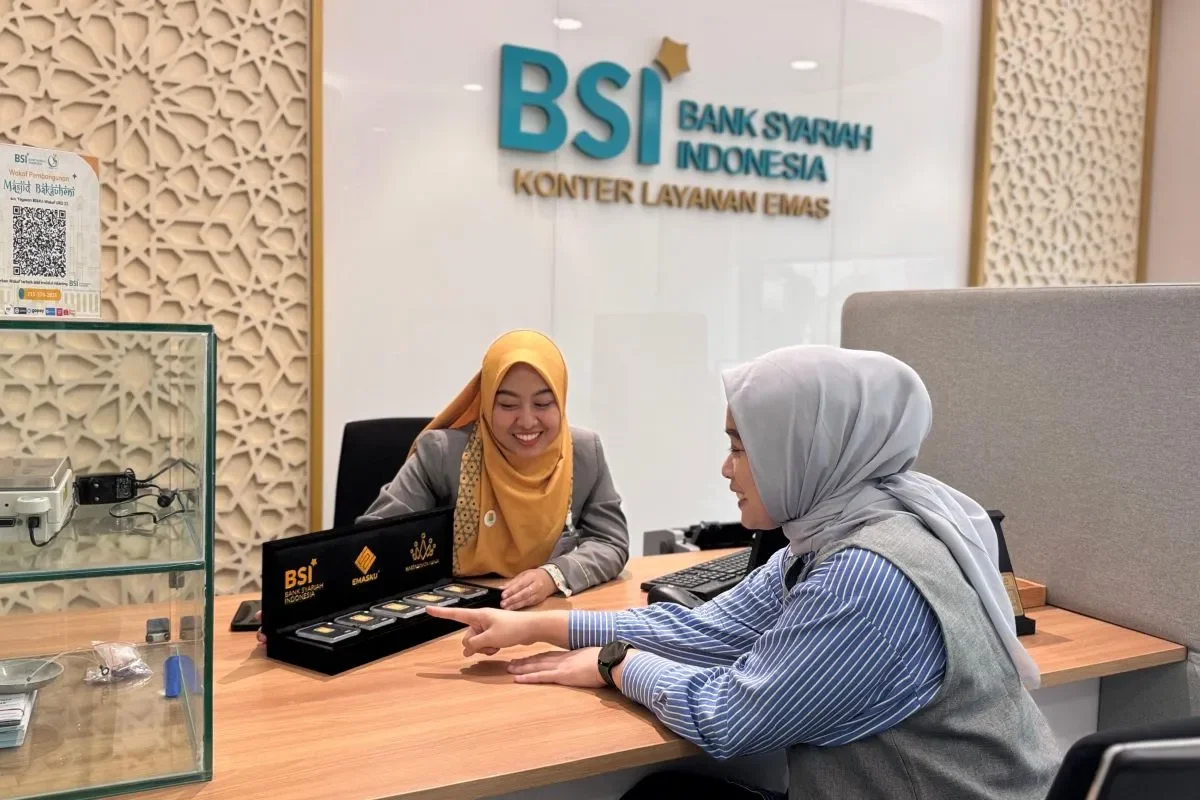
RRI.CO.ID, Jakarta - Indonesia is strengthening its position as a global hub for the sharia economy and finance by driving innovation and forging international collaborations to promote inclusive and sustainable development.
“Indonesia has significant potential to lead the development of the sharia economy globally, supported by a Muslim population exceeding 240 million and a thriving domestic sharia economic ecosystem,” said Indonesian Ambassador to the United States Indroyono Soesilo, commenting on Indonesia’s participation in the 2026 International Forum on Islamic Economics, Finance, and Sustainable Development (IFESCD) at the World Bank Headquarters in Washington, D.C., as quoted by Antara.
He noted that the Islamic finance industry, valued at USD 3.6 trillion, still offers vast opportunities for optimization to address development challenges, particularly in developing countries.
“Through international collaboration, strengthening research, digital innovation, and optimizing Islamic financial and social instruments, we can deliver more inclusive, equitable, and sustainable development solutions for the global community,” he said.
Indroyono added that strengthening the National Committee for Islamic Economics and Finance (KNEKS) and Bank Syariah Indonesia (BSI) has accelerated the growth of Indonesia’s Islamic financial sector.
He also highlighted that the issuance of sovereign sukuk (Islamic bonds) has exceeded USD 120 billion, as evidence of the Islamic economy’s tangible contribution to development financing in Indonesia.
At the forum, the Indonesian Embassy in Washington, D.C., facilitated the participation of several national Islamic economic institutions, including the University of Indonesia, Tazkia University in Bogor, Dompet Dhuafa, and the Center for Technology and Innovation Studies (CTIS) in Jakarta.
According to Indroyono, their presence reflects growing international attention to Indonesia’s Islamic economy as an emerging force in the global economic ecosystem.
Indonesia’s participation in the 2026 IFESCD, held July 15–16, underscores its commitment to expanding international partnerships, encouraging innovation in the Islamic economy, and strengthening its role in building an inclusive, resilient, and sustainable global economic system. ***
News Recomendation
Loading latest news.....