



Indonesia-US Trade Pact Raises Concerns over Press Rights, Data Protection
- 22 Jun 2026 23:13 WIB
- Voice of Indonesia
Key Points
- KTP2JB warns clauses in the Indonesia–US Reciprocal Trade Agreement could limit the government’s authority to regulate digital platforms.
- Government urged to evaluate provisions conflicting with national policies, including Presidential Regulation No. 32/2024 on Publisher Rights.
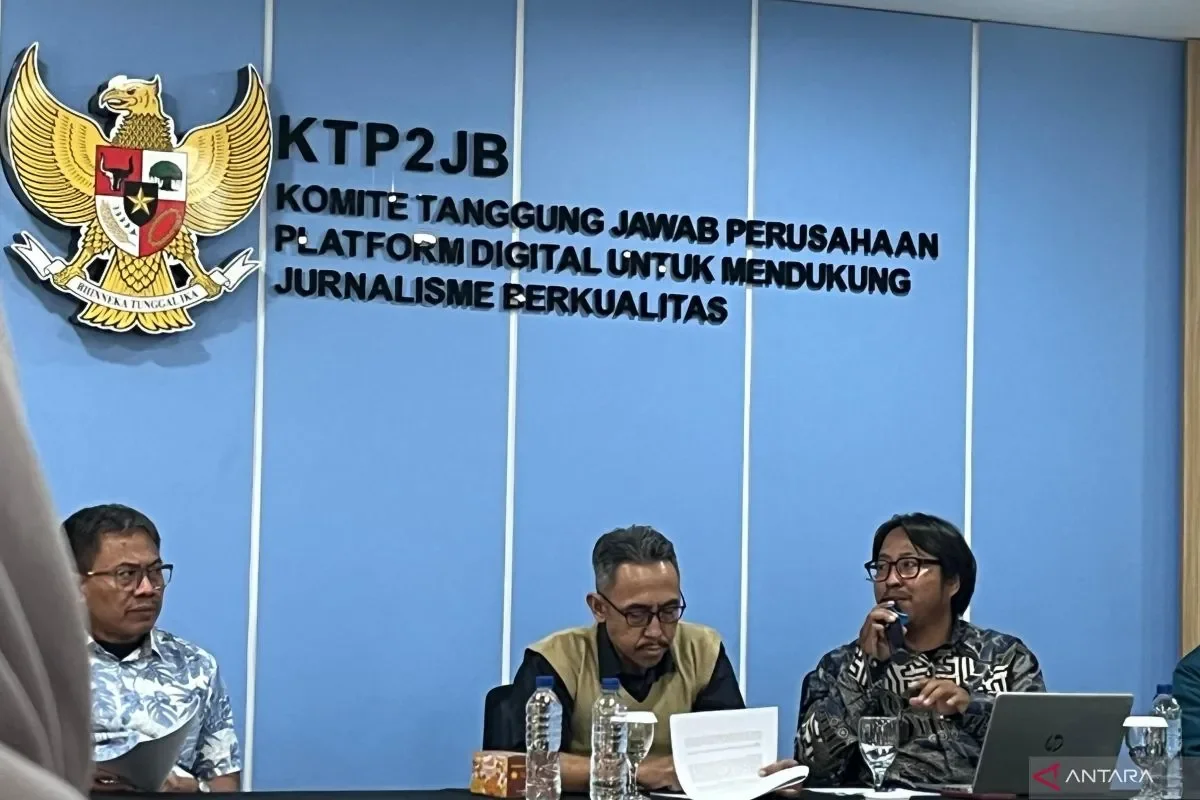
RRI.CO.ID, Jakarta - Several provisions in the Indonesia-United States Reciprocal Trade Agreement (ART) have been highlighted by the press community as potentially affecting national policies in the digital sector, personal data protection, and the sustainability of the press industry.
The ART seeks to strengthen economic ties between the two countries by facilitating digital trade, cross‑border data flows, investment, and technology‑based cooperation.
However, some argue that certain clauses could restrict the government’s ability to regulate digital platforms and protect domestic media interests.
The Committee for Corporate Responsibility of Digital Platforms to Support Quality Journalism (KTP2JB) urged the government to review provisions that conflict with national policies, including Presidential Regulation No. 32/2024 on Publisher Rights.
“Provisions detrimental to the press in the bylaws must be removed,” said KTP2JB member Sasmito at the launch of a policy brief titled The Impact of the Indonesia–United States Reciprocal Trade Agreement on the Sustainability of the Press Ecosystem in Jakarta on Monday, June 22, 2026, as quoted by Antara.
One clause of concern is Article 3.1, which prohibits Indonesia from imposing a digital services tax or similar discriminatory fiscal policies on U.S. companies. KTP2JB argues this could limit the government’s ability to use fiscal instruments to address inequality in the digital market.
Article 3.2, requiring Indonesia to facilitate digital trade and cross‑border data transfers, also raises challenges for implementing regulations, given the need to ensure adequate protection for citizens’ data transferred abroad.
KTP2JB further highlighted Annex III, Article 3.3, which prevents Indonesia from requiring U.S. digital service providers to support domestic news organizations through paid licensing, user data sharing, or profit‑sharing models.
According to the committee, this undermines the Presidential Regulation on Publisher Rights, which aims to strengthen press companies’ bargaining power in negotiations with global platforms.
Other provisions requiring attention include copyright restrictions and exceptions in Annex III, Article 2.26(h)(i), and opportunities for foreign investment without ownership limits in publishing and broadcasting, as stipulated in Annex III, Article 2.28.
KTP2JB advised the government not to weaken its regulatory authority over vital public and democratic sectors such as the press, and to assess the agreement’s impact on the national news ecosystem.
Deputy Chairman of the Indonesian Television Journalists Association (IJTI), Wahyu Triyogo, stressed that obligations to facilitate cross‑border data flows must align with national data protection principles.
Meanwhile, the Head of the Indonesian Journalists Association (PWI), Jufri Alkatiri, emphasized the importance of maintaining the Presidential Regulation on Publisher Rights to support quality journalism and press sustainability amid the rise of global digital platforms. ***
News Recomendation
Loading latest news.....