



President Prabowo’s 100 GW Solar Ambition Demands Coal Phase-Down
- 19 Jun 2026 20:45 WIB
- Voice of Indonesia
Key Points
- President Prabowo’s 100 GW solar power plant target is seen as vital to reduce dependence on coal and strengthen electricity supply resilience.
- Civil society groups highlight stalled coal plants, urging the government to shift investment toward clean energy in the revised PLN RUPTL.
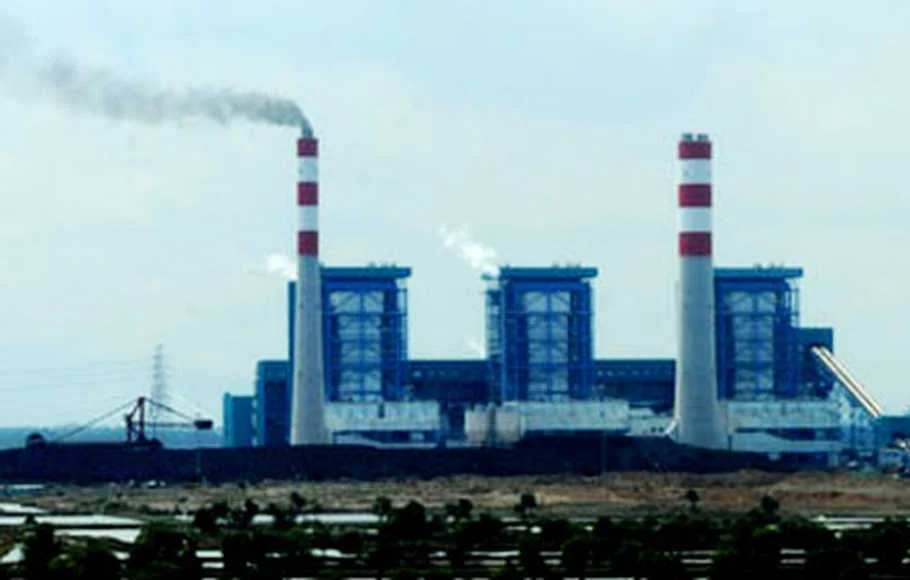
RRI.CO.ID, Jakarta - President Prabowo Subianto’s ambition to build 100 gigawatts (GW) of solar power plants requires decisive action to reduce Indonesia’s reliance on coal-fired power plants, particularly projects that have faced construction obstacles.
CERAH Policy Strategist Coordinator Dwi Wulan Ramadani emphasized that the 100 GW solar development target is crucial for accelerating the national energy transition and strengthening electricity supply resilience.
CERAH (Yayasan Indonesia Cerah) is an Indonesian non-profit organization focused on advancing the country’s energy transition through research, policy advocacy, strategic communications, and public campaigns.
“Our electricity dependence on coal-fired power plants exceeds 60 percent, making availability vulnerable because it must adjust to coal supply,” Dwi said in an official statement in Jakarta on Friday, June 19, 2026, as quoted by Antara.
She warned that maintaining problematic coal plants could lead to future economic losses. With the 100 GW solar target, the government has an opportunity to shift investment toward clean, sustainable energy generation.
Dwi emphasized that the government’s commitment must be reflected in the revised 2025–2034 state-owned electricity company PLN Electricity Supply Business Plan (RUPTL) by reducing reliance on coal-fired power plants.
Several projects listed in the RUPTL as part of the additional 6.3 GW of coal capacity are reported to face development obstacles.
PLN itself acknowledged that 34 coal plants are categorized as constrained in the 2025–2034 RUPTL, with some projects slated for termination and others for continuation or conversion to alternative energy sources.
Civil society organizations have also identified other coal projects facing similar issues, including PLTU Jambi 1 and 2, North Sumatra 1, and South and Central Kalimantan 3.
Regional executive director of WALHI Jambi, Oscar Anugrah, noted that several coal plants in Sumatra face challenges in utilization and long-term economic prospects amid growing commitments to the energy transition.
WALHI (Wahana Lingkungan Hidup Indonesia) is the largest and oldest environmental NGO in Indonesia, established in 1980, with a mission to fight for ecological justice and protect communities’ rights over natural resources.
He cited the 600-megawatt (MW) PLTU Jambi-1 and PLTU Jambi-2, which have not yet operated optimally. “We welcome the government’s plan to include the development of a 100 GW solar power plant in the revised PLN RUPTL. This revision should serve as an opportunity to review new coal projects that are not yet operational,” Oscar said. ***
News Recomendation
Loading latest news.....