



President Prabowo’s Concrete Step to Bolster National Creative economy
- 09 Jul 2026 12:33 WIB
- Voice of Indonesia
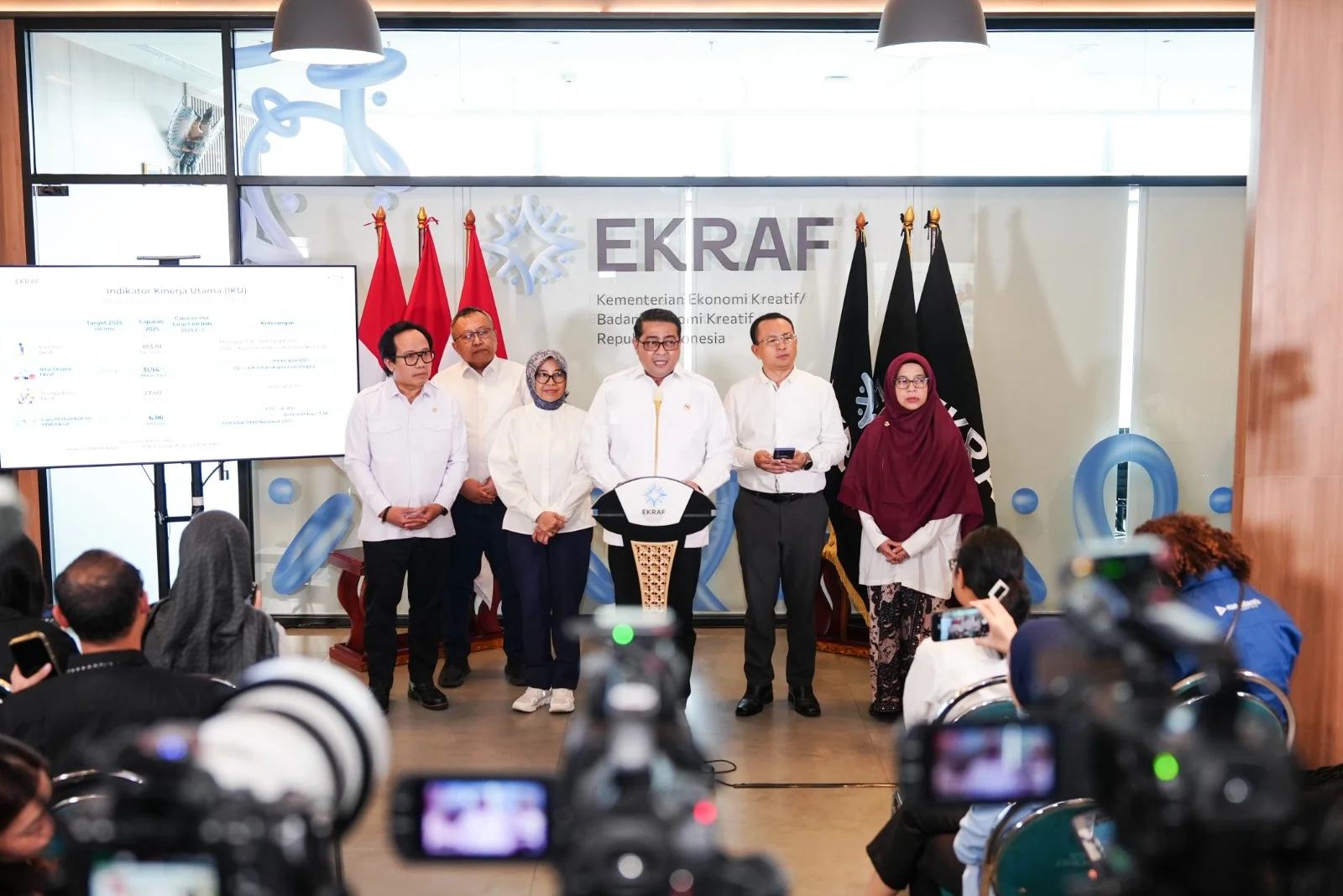
RRI.CO.ID, Jakarta - President Prabowo Subianto issued Presidential Regulation Number 37 of 2026 concerning the Creative Economy Master Plan 2026–2045 on July 2, 2026. It served as the strategic direction for the medium- and long-term development of the creative economy.
“The ratification of Creative Economy Master Plan 2026–2045 is a tangible manifestation of President Prabowo’s commitment to building the creative economy as a new engine for national economic growth. This document serves as a shared guideline to strengthen the creative economy ecosystem in an inclusive, adaptive, and actionable manner,” the Minister of Creative Economy/Head of the Creative Economy Agency, Teuku Riefky Harsya conveyed.
The creative economy sector has proven to be a new engine for national economic growth, evidenced by increases in employment, investment, exports, and its contribution to GDP. To reinforce these achievements, Rindekraf 2026–2045 was formulated to be integrated, sustainable, and adaptive to global dynamics.
“As a cross-sectoral planning document, the Creative Economy Master Plan was developed through a collaborative approach involving the central government, local governments, the business sector, academia, communities, the media, and financial institutions to ensure that national creative economy development moves in a unified direction,” he said.
From the outset, Rindekraf has been formulated based on three core values: inclusivity, adaptability, and implementability. It is inclusive by accommodating the diversity of creative economy stakeholders and the ecosystem itself. It is adaptive by aligning with technological advancements and industry dynamics. It is implementable through an Action Plan that harmonizes with the mandates, authority, and resources of the implementing ministries and agencies.
According to a release received by RRI Voice of Indonesia on Wednesday, July 8, 2026, the document also outlines the development of the creative economy by strengthening an inclusive, intellectual property-based ecosystem; this aims to bolster talent, enhance business competitiveness, and transform regions into growth hubs on the path toward "Golden Indonesia 2045."
"This Presidential Regulation provides direction for local governments to strengthen policies, institutional frameworks, and programs for developing an intellectual property-based creative economy ecosystem," Teuku Riefky said.
Under Rindekraf, creative economy subsectors are organized into four clusters—Arts and Culture; Design; Technology and Digital Content; and Media and Creative Distribution—encompassing a total of 21 subsectors. This structure aims to boost competitiveness and foster adaptability to digitalization, AI, the green economy, and future economic opportunities.
The benefits of Rindekraf for creative economy players include policy certainty, talent strengthening, the protection and commercialization of intellectual property, and expanded access to financing and markets.
News Recomendation
Loading latest news.....