



New Presidential Regulation to Address Out-of-School Children Crisis
- 03 Jun 2026 21:04 WIB
- Voice of Indonesia
Key Points
- Government launches Perpres No. 3/2026 on the Prevention and Handling of Out‑of‑School Children.
- Regulation targets reduction of 645,000 out‑of‑school children by 2029, with the ultimate goal of achieving zero by 2045.
- Policy supports Golden Indonesia 2045 and strengthens the 13‑year compulsory education program as part of long‑term human resource development.
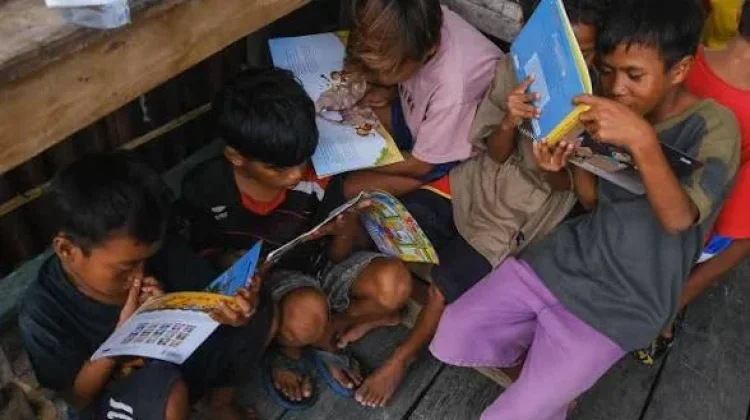
RRI.CO.ID, Jakarta - The Indonesian government has launched Presidential Regulation (Perpres) No. 3/2026 on the Prevention and Handling of Out-of-School Children. The regulation addresses the high number of children not attending school in Indonesia and strengthens efforts to ensure that every child has access to education.
Minister of National Development Planning and Head of Bappenas, Rachmat Pambudy, said the regulation is a strategic step toward human resource development under the Golden Indonesia 2045 program and supports the 13-year compulsory education initiative.
“Education is a constitutional right of every citizen, as mandated by Article 31 of the 1945 Constitution. The government is fully committed to ensuring that all Indonesian children have access to educational services,” Minister Rachmat said at the launch in Jakarta on Wednesday, June 3, 2026, as quoted by infopublik.id.
He noted that government education programs have shown positive results, reducing the number of out-of-school children from 4.5 million in 2020 to about 3 million in 2025. However, stronger regulation is needed to support integrated interventions at the local level.
Minister Rachmat explained that the regulation aims to improve coordination and collaboration in addressing out-of-school children, whose circumstances are often influenced by poverty, child marriage, disabilities, and limited access to education.
He also highlighted the link between education and nutrition, stressing that adequate nutrition during pregnancy is crucial for quality human development. “Education is the foundation of everything, and food is its foundation. There are two types: spiritual and physical,” he said.
Meanwhile, Deputy for Human Development and Culture at Bappenas, Pungkas Bahjuri Ali, said the regulation sets a target to reduce the number of out-of-school children by 645,000 by 2029, with the ultimate goal of achieving zero out-of-school children by 2045.
“This target demonstrates the government’s dedication to providing all Indonesian children with access to quality education and ensuring that no one is left behind,” Pungkas said.
The regulation also emphasizes early detection systems, integrated data collection, flexible and inclusive education services tailored to children’s vulnerabilities, stronger family and community roles, and cross-sector governance responsive to children’s needs.
UNICEF and other development partners supported the drafting process, building on local administration initiatives that have successfully returned children to school.
UNICEF Indonesia’s Representative, Maniza Zaman, welcomed the launch, calling it “an important milestone in ensuring every child’s right to education” and reaffirming UNICEF’s commitment to supporting Indonesia’s efforts to provide quality learning opportunities for all children. ***
News Recomendation
Loading latest news.....