



Indonesia Advances Air Navigation System Modernization
- 26 Mei 2026 04:06 WIB
- Voice of Indonesia
Key Points
- The Ministry of Transportation is modernizing the national air navigation system to improve safety, capacity, efficiency, and reliability.
- ATMAS at the New Jakarta Air Traffic Services Center is set to go live by June 2026, after earlier rollouts in Medan, Pontianak, and Balikpapan.
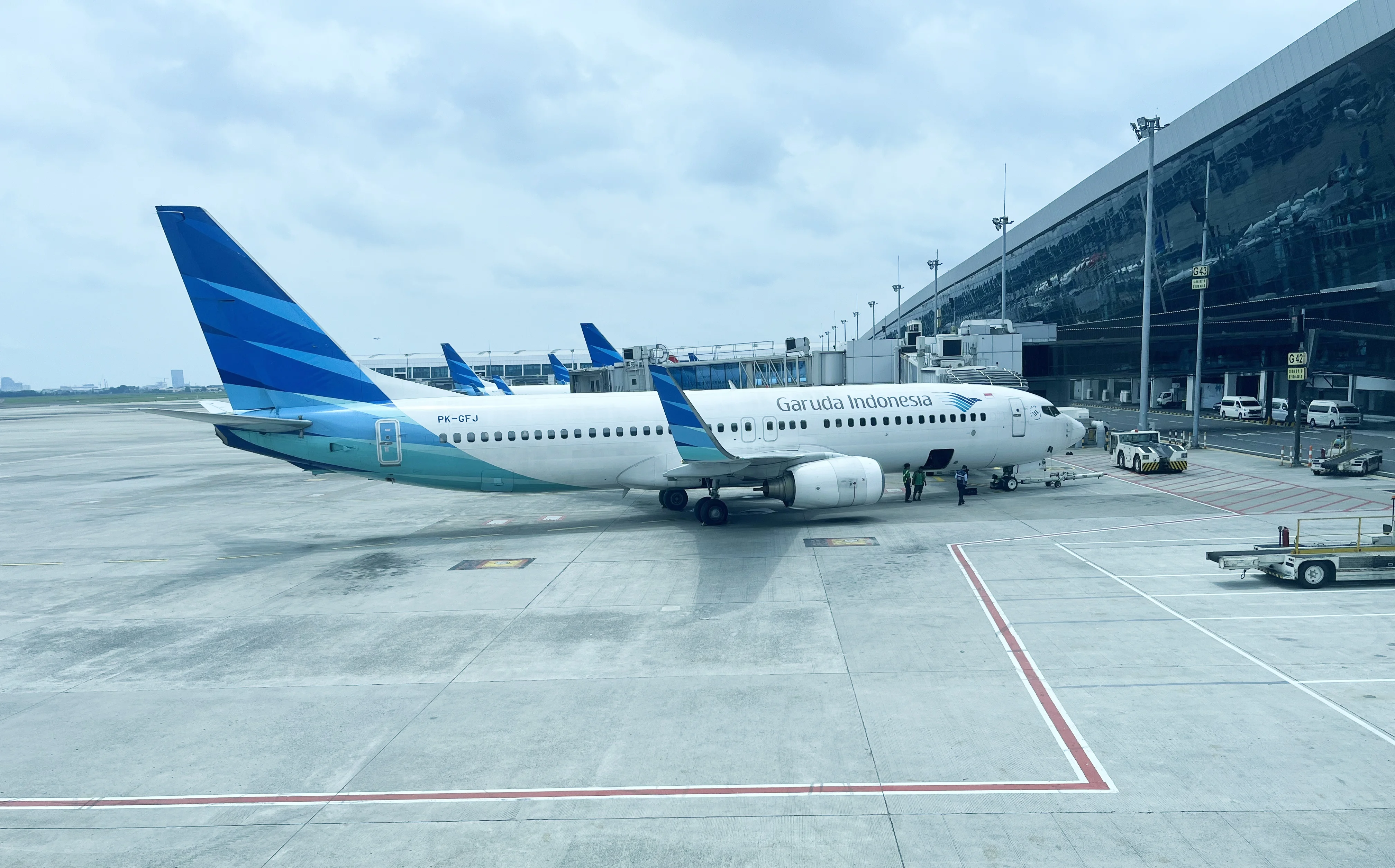
RRI.CO.ID, Jakarta - The Ministry of Transportation is modernizing Indonesia’s national air navigation system to enhance the safety, capacity, efficiency, and reliability of air traffic services.
“The renewal of the air navigation system is a strategic step to increase the capacity, safety, efficiency, and resilience of national air traffic services,” said Director General of Civil Aviation Lukman F. Laisa in Jakarta on Monday, May 25, 2026, as quoted by Antara.
His statement was reiterated during a working visit by Commission V of the House of Representatives (DPR RI), led by Deputy Speaker Ridwan Bae, to AirNav Indonesia’s Head Office in Tangerang, Banten.
The visit aimed to inspect the operational readiness of the national air navigation system and the modernization of the Air Traffic Management Automation System (ATMAS) at the New Jakarta Air Traffic Services Center (JATSC).
Lukman said the ATMAS modernization in Jakarta is targeted for full operational status by June 2026, following earlier implementations in Medan, Pontianak, and Balikpapan.
“All stages of implementation are being carried out carefully, with comprehensive risk mitigation and contingency plans to ensure air navigation services remain safe and reliable,” he explained.
He also highlighted mitigation measures for disruptions to the Global Navigation Satellite System Radio Frequency Interference (GNSS RFI) around Soekarno‑Hatta International Airport. These efforts gained urgency after navigation disruptions in April 2026 forced several flights to divert due to adverse weather conditions.
Flight operations continued safely thanks to terrestrial‑based backup systems such as the Instrument Landing System (ILS), Distance Measuring Equipment (DME), and VHF Omnidirectional Range (VOR), supported by radar vector guidance from Air Traffic Control (ATC) officers.
In addition, the Directorate General of Civil Aviation and AirNav Indonesia have strengthened inter‑agency coordination, issued Notices to Airmen (NOTAMs), reported incidents to the ICAO Asia Pacific Regional Office, and released Circular Letter No. SE‑DJPU 11/2026 on reporting and handling GNSS RFIs.
Lukman emphasized his agency’s commitment to maintaining optimal services.
“We continue to improve supervision, control, and collaboration with all relevant parties to ensure air navigation services operate safely, smoothly, orderly, effectively, and sustainably,” he said.
Deputy Speaker Ridwan Bae praised the swift and responsive actions of the Directorate General of Civil Aviation and AirNav Indonesia in addressing the disruptions. He said the mitigation measures reflect the government’s commitment to ensuring the safety, security, and smooth operation of national aviation. ***
News Recomendation
Loading latest news.....