



Lawmakers Push for Tax-Free Books in Revised Legislation
- 22 Mei 2026 18:37 WIB
- Voice of Indonesia
Key Points
- The revised Books System Law seeks to lower prices and expand access, with proposals to remove taxes on authors and publishers.
- Lawmakers argue books should not be treated as luxury goods, stressing that access to information must be universal.
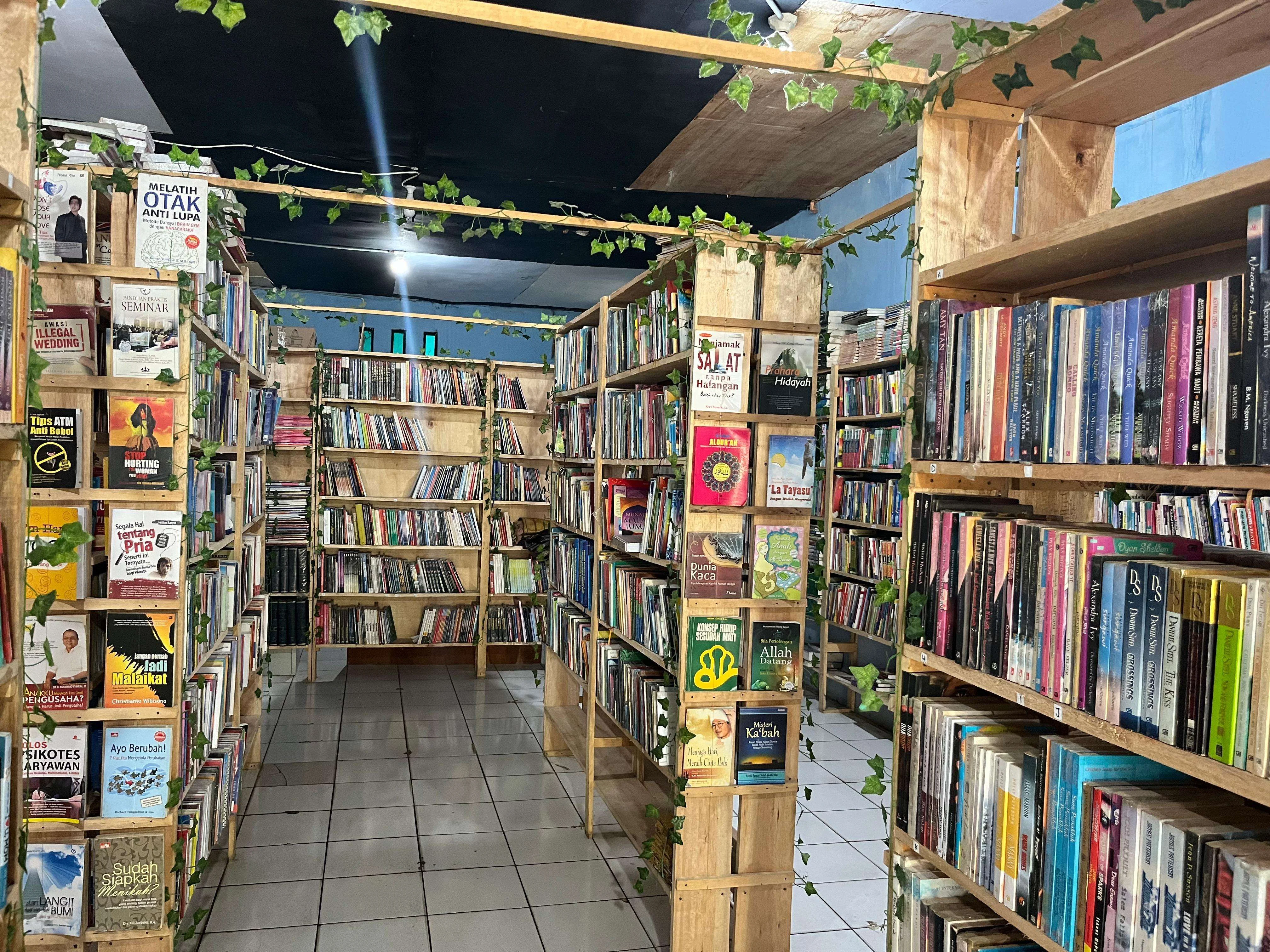
RRI.CO.ID, Jakarta - The revision of the Books System Law has officially entered the 2026 National Legislation Program (Prolegnas) and is now a priority for the House of Representatives’ Commission XIII.
The reform seeks to reshape Indonesia’s publishing ecosystem by introducing subsidies for book distribution, strengthening copyright protection, and supporting independent publishers. It also proposes eliminating taxes on paper and authors, reducing them to zero percent to lower book prices and expand access to literacy.
Currently, paper and author taxes are imposed through the national tax system, with value‑added tax (PPN) applied to paper and printed products and income tax (PPh) levied on writers’ earnings. The revision aims to remove these burdens, making books more affordable and accessible.
Commission XIII Speaker Willy Aditya, who initiated the revision, has personally funded consultations with communities, experts, and publishers in Jakarta, Padang, Pekanbaru, Bandung, and Yogyakarta. He said the reform reflects his lifelong commitment to writing and his belief that books should not be treated as luxury items.
“The paper tax and the Rp0 author tax are among the issues we are fighting for in this revision. We are also pushing for subsidies for books and logistics, as well as copyright protection for authors and small or independent publishers,” Willy said during a discussion with the Indonesian Publishers Association (Ikapi) in Jakarta on Thursday, May 21, 2026, as quoted by Antara.
He argued that knowledge becomes elitist when books are priced as luxury goods. “If a nation considers books a luxury, then knowledge becomes a privilege. Critical thinking becomes elitist when knowledge is treated as a luxury. We are restructuring the entire process from upstream to downstream, not just talking about fate or market mechanisms,” he said.
Willy emphasized that revising the law requires collaboration across the book ecosystem, from authors and illustrators to designers, creative workers, and publishers. He added that the industry must transform to attract younger generations to writing as a viable career.
“Why don’t our children aspire to be writers? Because there’s no money in it. The book industry must change. If music and film can transform, why not books? That is why we must take the lead in revising this law and continue to collaborate,” he said. ***
News Recomendation
Loading latest news.....