



Indonesia’s 21 Biosphere Reserves Set to Enter New Sustainable Management Era
- 20 Mei 2026 11:06 WIB
- Voice of Indonesia
Key Points
- Indonesia is preparing 21 biosphere reserves for sustainable management under the Hangzhou Strategic Action Plan (HSAP) 2026–2035.
- The ecosystem services-based approach aims to strengthen conservation, biodiversity protection, and local economic value.
- BRIN and UNESCO MAB Indonesia will hold a Focus Group Discussion (FGD) to improve coordination, funding strategies, and biosphere reserve governance ahead of the HSAP 2026–2035 implementation.
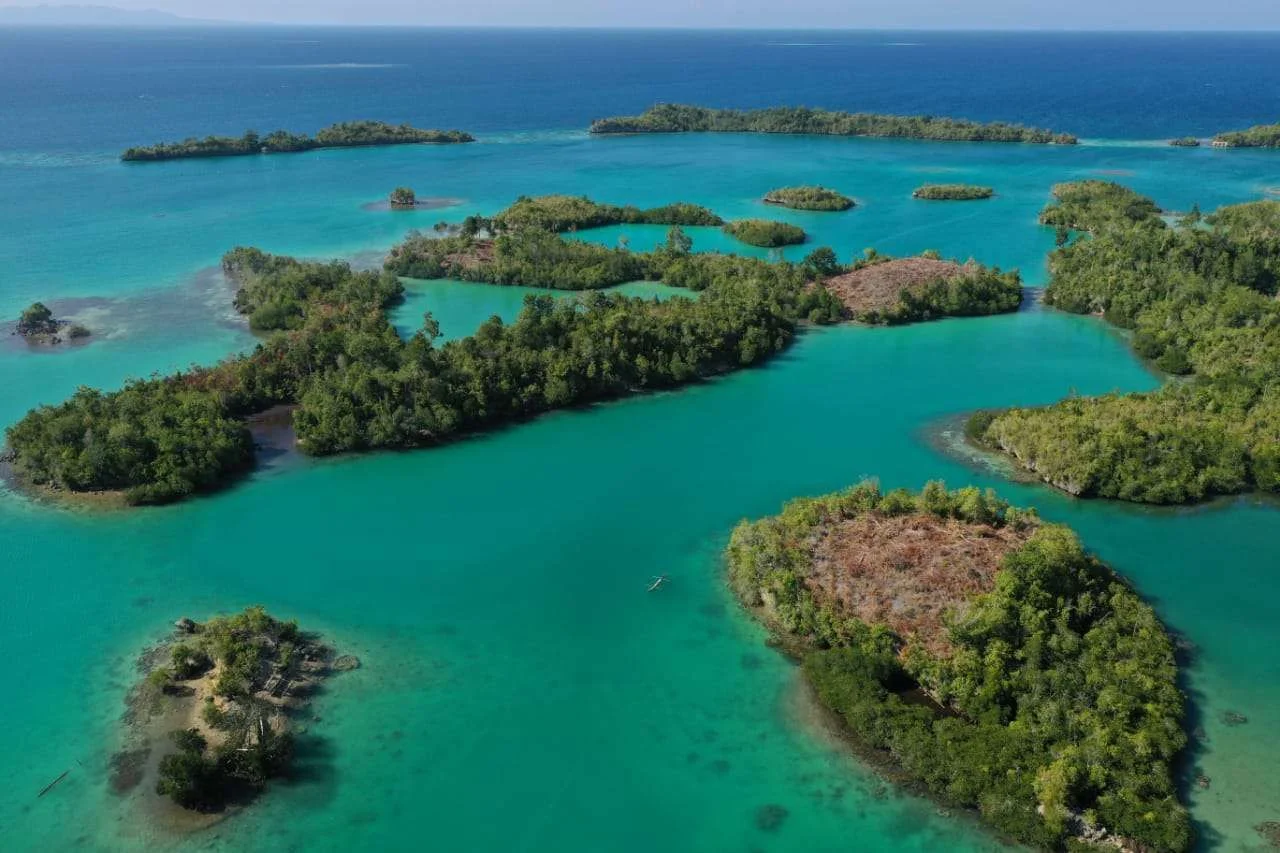
RRI.CO.ID, Jakarta - Indonesia is preparing to enter a new era in the management of its 21 Biosphere Reserves under the Hangzhou Strategic Action Plan (HSAP) 2026–2035 as part of efforts to strengthen sustainable conservation and ecosystem service protection.
Indonesia currently has 21 Biosphere Reserves representing diverse ecosystems, ranging from Sumatra’s tropical rainforests to marine ecosystems in Southwest Papua. These areas serve as vital life-support systems through ecosystem services such as hydrological regulation, soil and water conservation, biodiversity protection, and the provision of natural resources for local communities.
Quoting a press release issued by National Research and Innovation Agency (BRIN) on Wednesday, May 20, 2026, BRIN Deputy for Development Policy, R Nunung Nuryartono, emphasized that Biosphere Reserve management needs to be strengthened through an ecosystem services-based approach that is integrated and adaptive to global challenges.
According to him, the transition from the Lima Action Plan 2016–2025 to HSAP 2026–2035 carries important implications for conservation area management in Indonesia.
“The Hangzhou Strategic Action Plan positions Biosphere Reserves not only as conservation areas, but also as living laboratories for nature-based solutions, inclusive green economy development, and digital transformation in biodiversity monitoring. Indonesia needs to ensure that all Biosphere Reserve managers share aligned understanding and strategies so that area management can become more effective, adaptive, and sustainable,” Nunung said.
Strengthening Biosphere Reserve management is also considered important to reinforce area management plans while minimizing the risk of environmental degradation that could affect social and economic conditions. In addition, the ecosystem services-based approach is expected to open funding opportunities, increase the added value of conservation areas, and strengthen the branding of local products originating from Biosphere Reserves.
To strengthen national consolidation toward the implementation of HSAP 2026–2035, BRIN together with the National Committee for the UNESCO Man and the Biosphere (MAB) Programme Indonesia will hold a hybrid Focus Group Discussion (FGD) titled “Strengthening Ecosystem Services-Based Biosphere Reserve Management” in Jakarta on Thursday, May 21, 2026.
Executive Director of the Indonesian National Committee for UNESCO MAB, Virni Budi Arifanti, said that several challenges still exist in the management of biosphere reserves in Indonesia, including fragmented biodiversity data, limited information, and uneven understanding of governance based on HSAP 2026–2035.
Through the FGD, she said, the forum is expected to serve as a national consolidation platform for all stakeholders involved in Biosphere Reserve management in Indonesia.
“Through this FGD, we aim to build a shared understanding regarding the management of Indonesia’s 21 Biosphere Reserves while identifying flagship ecosystem services that can become the basis for strengthening management, funding strategies, and Biosphere Reserve branding. This forum is also expected to strengthen networking and the exchange of best practices among Biosphere Reserve managers in Indonesia,” Virni stated.
Through the coordination of the National Research and Innovation Agency (BRIN) and the National Committee for the UNESCO Man and the Biosphere (MAB) Programme Indonesia, future Biosphere Reserve management is expected to become more adaptive to global challenges, including climate change, environmental degradation, and sustainable development needs.
News Recomendation
Loading latest news.....