



Lawmaker Urges Effective Enforcement of Domestic Worker Protection Law
- 21 Apr 2026 18:34 WIB
- Voice of Indonesia
Key Points
- The government must conduct broad outreach, particularly to employers, to ensure effective implementation of the Domestic Worker Protection Law.
- The law guarantees fundamental rights for domestic workers, including access to social security, a minimum working age of 18, and vocational training to strengthen skills and bargaining power.
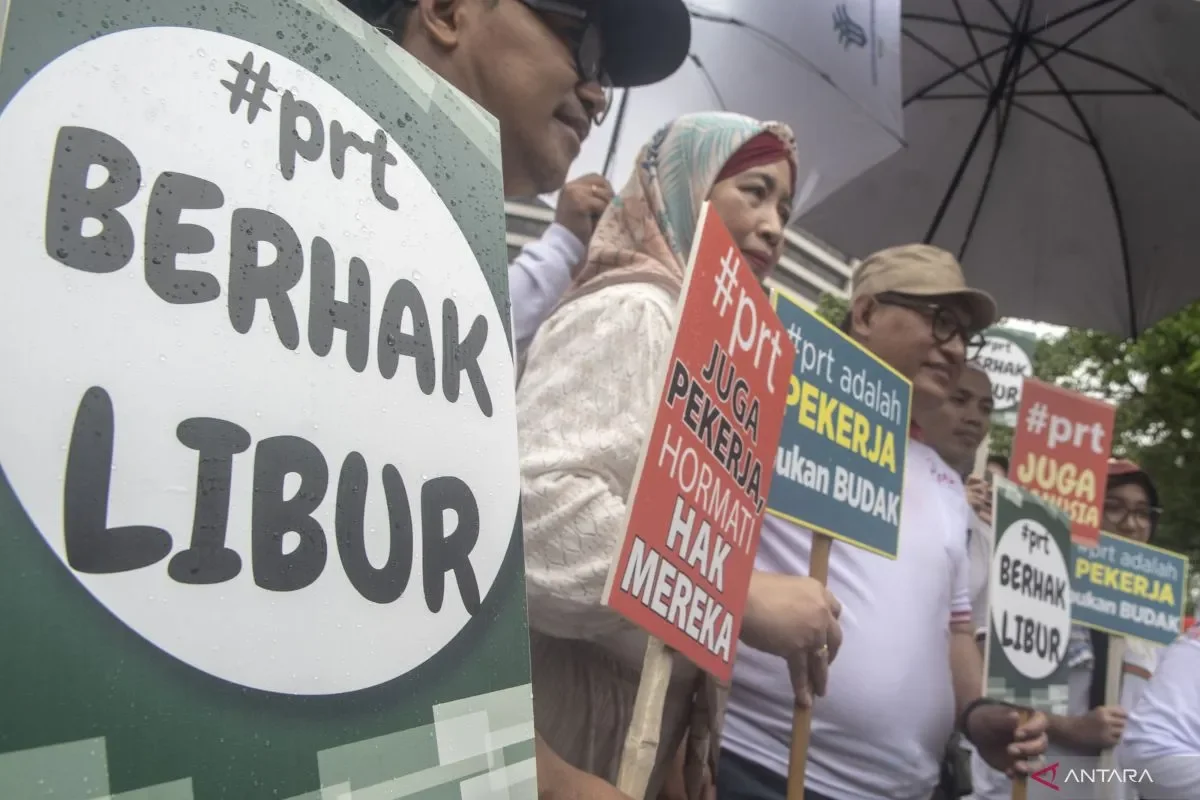
RRI.CO.ID, Jakarta - The Indonesian House of Representatives (DPR RI) has approved the Domestic Workers Protection (PRPT) Bill for enactment into law, marking a historic step in safeguarding the rights of millions of domestic workers. The ratification took place during the 17th Plenary Session of the 2025–2026 legislative year on Tuesday, April 21, 2026.
Commission IX lawmaker Neng Eem Marhamah Zulfa Hiz described the passage of the law as a legal milestone and a test of the government’s commitment to implementation. “The government must act swiftly to create a widespread, targeted strategy so that everyone, particularly employers, understands their obligations,” she said in a written statement, as quoted by Antara.
She added that the law aims to eliminate discrimination, exploitation, and violence against domestic workers, while fostering fair and humane work environments. “This regulation also encourages harmonious work relations by upholding the values of humanity and justice,” she said.
Member of the Legislative Body (Baleg), Habib Syarief, welcomed the ratification but cautioned against treating it as symbolic. “We are grateful the PPRT Law has passed. But we urge real change, not just symbolism. This law must break the exploitative chain and ensure justice for millions of domestic workers,” he said.
Habib estimated that around 4.2 million domestic workers, most of them women and children, remain vulnerable without adequate protection.
A key provision of the law is the guarantee of access to social security for health and employment, rights that have often been neglected despite the high risks faced by domestic workers, including working without leave and facing unilateral wage deductions.
The law also sets a minimum age of 18 for domestic workers, a decisive step in eradicating child labor. “The minimum age requirement of 18 must be strictly enforced. No child should ever work as a domestic worker again. This is a decisive step to ensure their future,” Habib said.
The legislation also mandates vocational training programs to empower domestic workers and strengthen their bargaining position. Habib emphasized that education and training are crucial to improving workers’ skills and ensuring their dignity is recognized. “We hope that with this law, the dignity of domestic workers will be further recognized, and their rights will be fully protected by the state,” he said.
House Speaker Puan Maharani presided over the plenary session, asking lawmakers to approve the bill’s ratification. “Can the Domestic Workers Protection Bill be approved to be enacted into law?” she asked, to which the chamber responded in agreement. ***
News Recomendation
Loading latest news.....