



Indonesia Pushes Science-Based Waste Management for Sustainability
- 07 Apr 2026 18:26 WIB
- Voice of Indonesia
Key Points
- Kemendiktisaintek Minister Brian Yuliarto stressed science and technology as the foundation for sustainable waste solutions.
- Household organic waste dominates urban waste, making upstream interventions vital to reduce landfill burdens.
- The collaboration between Kemdiktisaintek and the Environment Ministry aims to turn university research into real-world impact.
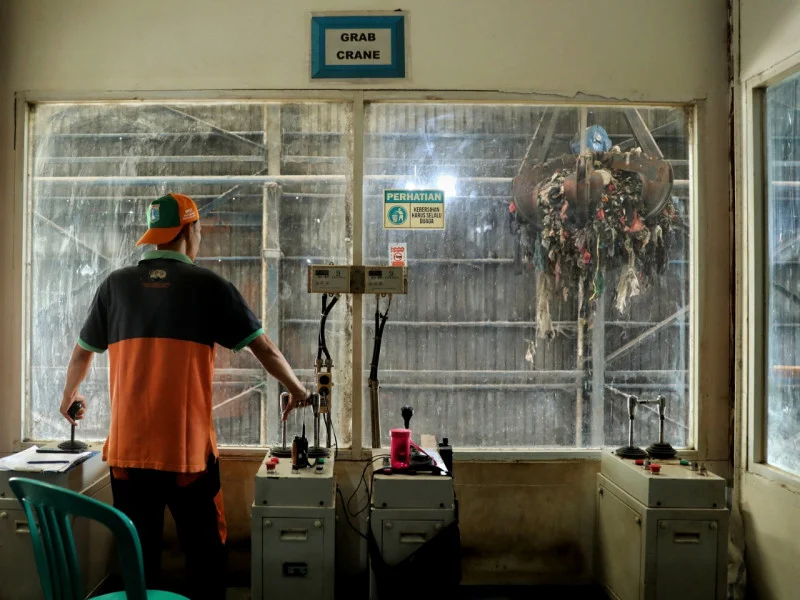
RRI.CO.ID, Jakarta - The Ministry of Higher Education, Science, and Technology (Kemdiktisaintek) is accelerating efforts to address Indonesia’s waste problem through cross-sector collaboration driven by technology and innovation.
Minister Brian Yuliarto emphasized that science and technology must serve as the foundation for effective and sustainable waste management solutions.
Speaking after a meeting with Environment Minister Hanif Faisol Nurofiq at the ministry’s office on Tuesday, April 7, 2026, Minister Brian explained that earlier policy frameworks were designed as macro templates.
These will now be adapted to real field conditions using existing data from more than 100 temporary trash disposal sites with reduce, reuse, recycle (TPS 3R) facilities to move quickly into implementation.
He stressed that universities will play an active role in the process, with lecturers, researchers, and students contributing to surveys, mapping, and technical studies. “We will use the TPS 3R database to ensure implementation begins immediately,” Minister Brian said, as quoted on the ministry's official website.
Minister Hanif welcomed the ministry’s support, noting that collaboration with academia is crucial to ensure policies are grounded in research and can be applied effectively. “We will look at the research and formulations from academics so that implementation in the field runs more smoothly,” he said.
Minister Hanif added that his ministry has already adapted the framework to actual conditions, particularly in strengthening source-based waste management. He explained that urban waste is still dominated by household waste with a high organic composition, making upstream interventions essential to reduce the burden on landfills and improve overall efficiency.
The government is also working to strengthen the waste management ecosystem by promoting the use of technology and encouraging behavioral change among communities.
The meeting also highlighted the importance of integrating household and commercial waste management and of strengthening regulations and enforcement.
The collaboration between Kemdiktisaintek and the Environment Ministry is part of a broader effort to accelerate the implementation of science-based waste management policies and ensure that university research delivers tangible benefits in addressing Indonesia’s environmental challenges. ***
News Recomendation
Loading latest news.....