



Rupiah Weakening Spurs Call for Coordinated Policies: House
- 30 Jan 2026 06:40 WIB
- Voice of Indonesia
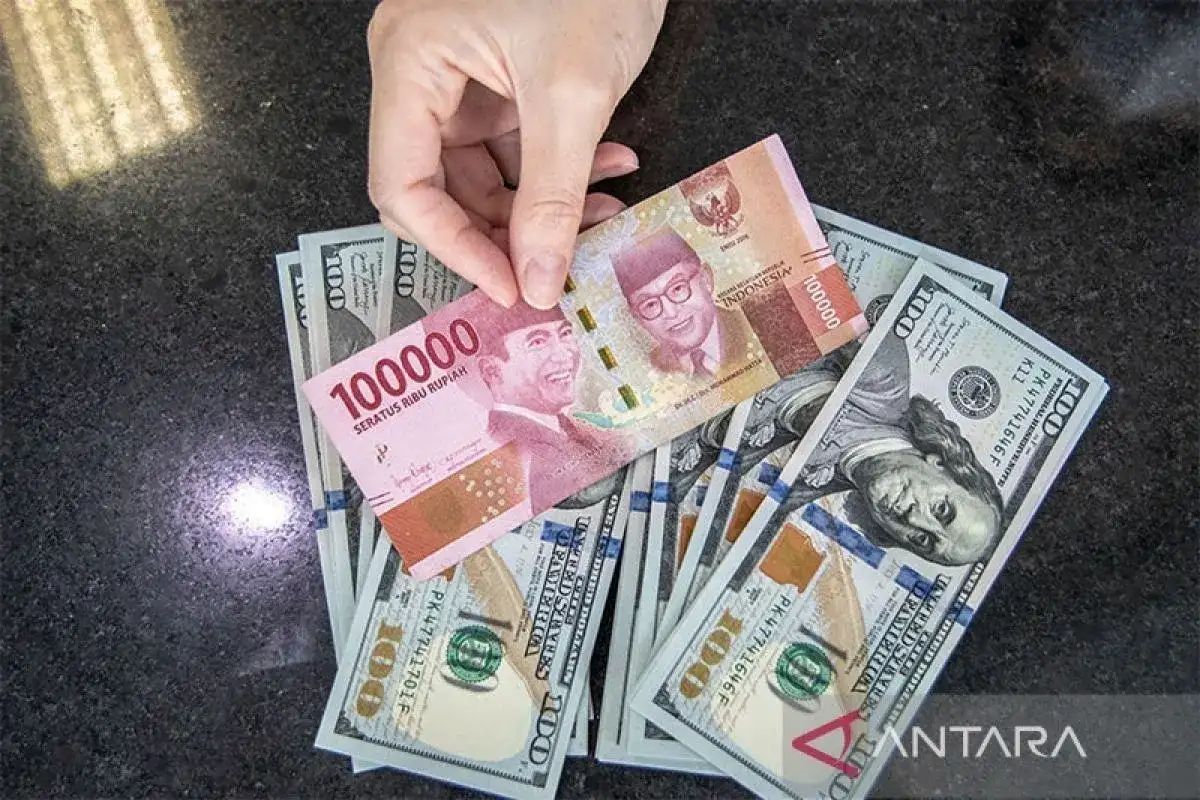
RRI.CO.ID, Jakarta - The Indonesian rupiah has weakened again amid rising global economic uncertainty and financial market turmoil, prompting calls for coordinated and measured policy responses from relevant authorities.
Puteri Komarudin, a lawmaker of the House of Representatives’ Commission XI, said the rupiah’s depreciation is largely influenced by global sentiment, including monetary policies in developed countries and international financial market dynamics.
She stressed the importance of strengthening coordination between fiscal, monetary, and financial services policies. According to her, such collaboration is vital to maintain exchange rate stability and market confidence.
Puteri added that the Committee for Financial System Stability (CFSS) must continually reinforce its role to withstand external pressures. Consistent policy communication, she said, is essential to reduce market volatility.
“Today we woke up hearing that our capital market is experiencing turbulence. Of course, we are relying on the power of communication and the wisdom of stakeholders in the government, as well as coordination, to improve this situation, which is currently being widely discussed,” she said during the 2026 Early Year Public Dialogue at the Parliament Complex in Jakarta on Thursday, January 29, 2026.
Despite pressure on the rupiah, Puteri assessed that Indonesia’s economic fundamentals remain relatively strong, as reflected in stable economic growth and a resilient financial sector. She said the House will continue to supervise economic stabilization policies to safeguard purchasing power and ensure sustainable national growth.
Commission XI Speaker Mukhamad Misbakhun highlighted the strategic role of the State Budget in building a social safety net and strengthening the people’s economy. He emphasized that the budget functions as a mechanism for distributing subsidies, educational assistance, and food programs, including Free Nutritious Meals (MBG).
“Now there is a newer intervention in social assistance, which has become a state spending program, namely MBG. We have IDR 350 trillion allocated for MBG,” Misbakhun said.
He described MBG as the most tangible state intervention to prevent future generations from suffering malnutrition. “We cannot let our future generations be malnourished, malfunctioning in nutrition,” he said.
Misbakhun added that the MBG program is designed to reach approximately 83-84 million beneficiaries by 2026. “Imagine every day the state provides 83 million portions of food for its people,” he said.
He explained that the State Budget is not merely a fiscal document but an instrument to ensure that economic growth aligns with equitable distribution of benefits.
Misbakhun also emphasized that the budget brings the state closer to the people by ensuring that tax revenues are reinvested in public facilities and social programs that directly benefit communities. (Gusti Panji/Lasti Martina)
News Recomendation
Loading latest news.....