



Indonesia Promotes Majapahit Heritage Through Jabung Temple Revitalization
- 26 Jan 2026 10:25 WIB
- Voice of Indonesia
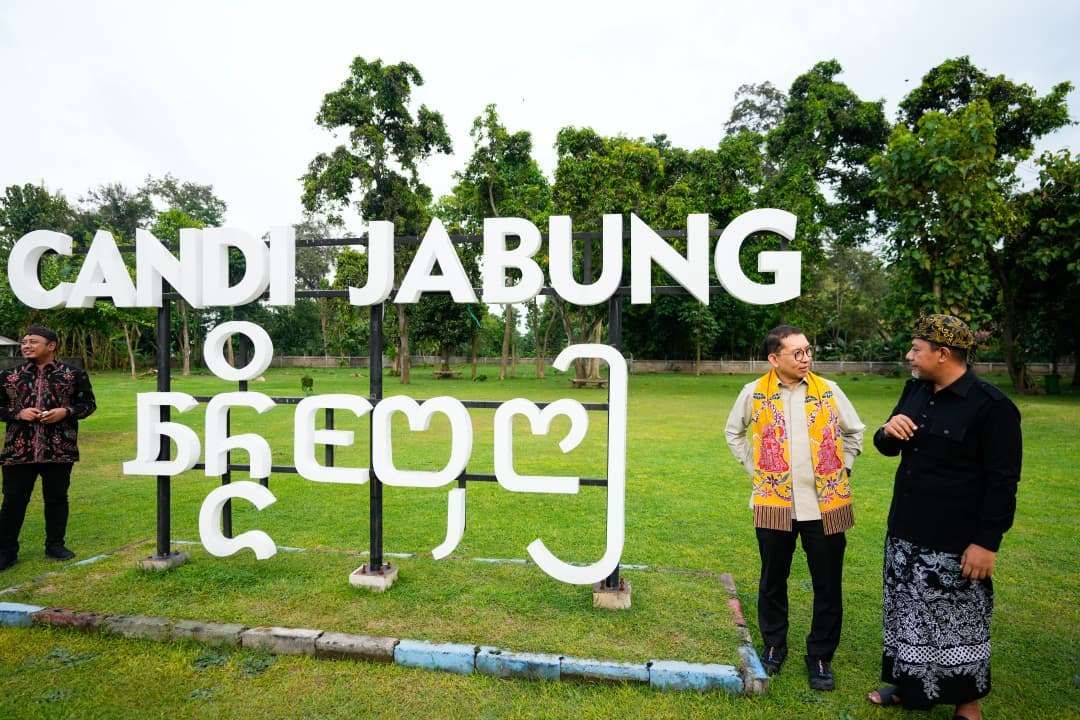
RRI.CO.ID - Indonesia’s Minister of Culture, Fadli Zon, visited Jabung Temple in Probolinggo, East Java, Sunday 25 January 2026, to review the revitalization of the Majapahit-era heritage site. The visit underscored the government’s commitment to preserving ancient monuments while promoting them as sustainable cultural ecosystems.
Jabung Temple is a nationally protected cultural heritage site dating back to the Majapahit Kingdom, built in 1354 AD during the reign of King Hayam Wuruk. Covering an area of approximately five hectares, the site has undergone extensive revitalization to enhance both preservation and public access.
The temple is mentioned in the 14th-century Javanese manuscript Nagarakretagama, which records King Hayam Wuruk’s journey through the region. This historical reference elevates Jabung Temple’s importance within the broader context of Southeast Asia’s classical civilizations.
Unlike many temples in eastern Java that are built from andesite stone, Jabung Temple is constructed primarily from red bricks. This architectural feature reflects the distinctive building traditions of the Majapahit era and highlights cultural diversity in ancient Indonesian architecture.
The site also represents cultural syncretism, combining Hindu and Buddhist influences that coexisted during the Majapahit period. These elements make Jabung Temple a valuable example of religious and cultural interaction in pre-modern Indonesia.
The Ministry of Culture emphasized the importance of protecting the site following revitalization, particularly from vandalism and environmental threats. Its coastal location exposes the temple to sea winds carrying salt, creating specific conservation challenges that require careful management.
Beyond preservation, the government aims to optimize the site’s use in accordance with cultural heritage law. Jabung Temple is expected to host cultural festivals and creative activities, transforming it into a living cultural space rather than a static historical monument.
The development plan also integrates local tourism and the creative economy, including Probolinggo’s traditional cuisine. Through collaboration between national and local stakeholders, Jabung Temple is expected to grow into a sustainable cultural destination that benefits surrounding communities.
News Recomendation
Loading latest news.....