



International Tea Day 2026: Matcha and Gen Z’s New Tea Culture
- 21 Mei 2026 13:21 WIB
- Voice of Indonesia
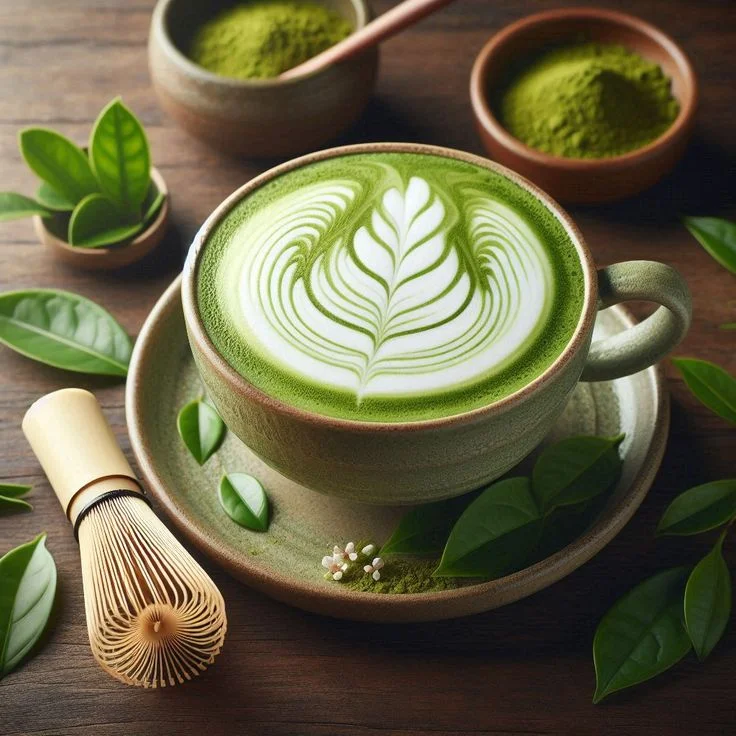
RRI.CO.ID, Jakarta – Matcha is no longer seen solely as a traditional Japanese green tea drink. Among Gen Z, matcha has evolved into part of a modern lifestyle associated with social media trends, productivity, and healthier beverage choices. Coinciding with International Tea Day, the growing popularity of matcha reflects how tea continues to adapt to the changing lifestyles of younger generations.
The International Tea Day is commemorated every May 21. The observance, established by the United Nations, aims to raise awareness about the importance of tea for the economy, culture, and the livelihoods of millions of tea farmers in producing countries. Amid the rise of modern tea-based beverages such as matcha, this commemoration also highlights how tea continues to evolve alongside changing trends and the preferences of younger consumers.
| Baca juga: Creativity Can Begin with a Single Dot |
Today, matcha’s popularity continues to grow and it can easily be found in coffee shops, restaurants, and even convenience stores. The varieties of matcha-based drinks and desserts have also become increasingly diverse, ranging from iced matcha lattes and strawberry matcha to matcha-flavored desserts. Social media has played a major role in boosting its popularity, especially through content shared on TikTok and Instagram, making matcha more widely recognized among young audiences.
There are several reasons why matcha has become popular among Gen Z. Besides being considered healthier due to its antioxidant content, matcha is also believed to provide more stable energy compared to coffee. In addition, many people are attracted to its vibrant green color, which is considered aesthetically pleasing and appealing for social media posts.
Today, tea is no longer associated only with traditional drinks, formal settings, or older generations. Gen Z have started to enjoy tea as part of a modern lifestyle closely connected to their daily routines. The presence of matcha has made tea culture feel more relevant and accessible to today’s generation.
From a business perspective, the growing matcha trend has also created significant opportunities in the beverage industry. Many businesses are introducing matcha-based products to keep up with market trends and consumer demand. Cafés are increasingly competing to create unique and creative matcha variations to attract customers. This phenomenon shows that tea continues to maintain its place amid modern lifestyle changes.
International Tea Day serves as a reminder of how tea continues to evolve with the times. The rise of matcha within youth culture demonstrates that the tradition of drinking tea can adapt without losing its identity. Today, tea is no longer viewed merely as a traditional beverage, but also as part of a contemporary lifestyle closely tied to creativity, social media, and popular culture.
News Recomendation
Loading latest news.....