



Indonesia Strengthens Global Leverage via Maritime, Human Capital, and Diplomacy
- 07 Jul 2026 21:02 WIB
- Voice of Indonesia
Key Points
- Skilled human resources, especially ship crews, strengthen Indonesia’s global bargaining power.
- Independent, active foreign policy enhances Indonesia’s resilience in complex global dynamics.
- Indonesia’s maritime industry boosts leverage with fleets, shipbuilding, and port expertise.
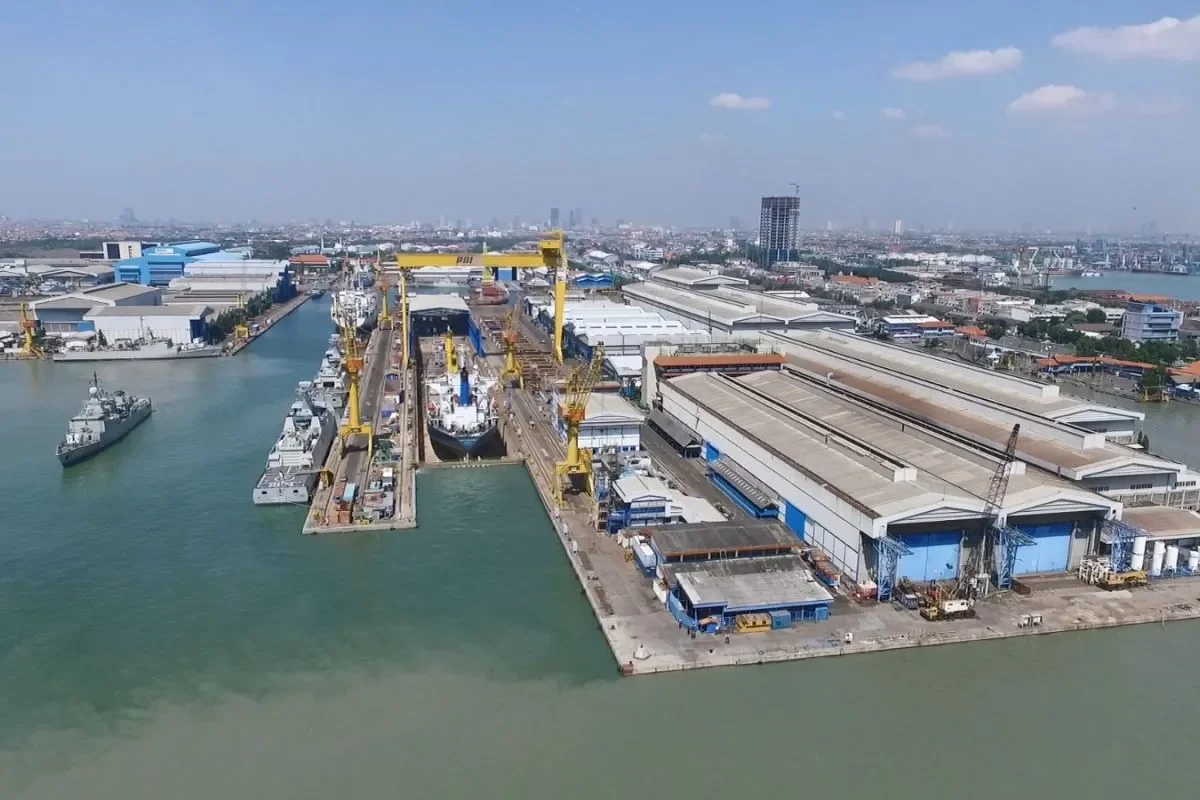
RRI.CO.ID, Jakarta - Indonesia’s growing maritime industry and foreign policy strategy were spotlighted as key assets for strengthening the nation’s leverage in global affairs, Deputy Foreign Affairs Minister Arif Havas Oegroseno said on Tuesday, July 7, 2026.
Speaking at the seminar “Strengthening the National Maritime Industry Strategy Amid Global Dynamics” hosted by the Indonesian Navy Veterans Association (PPAL) in Jakarta, Havas outlined three pillars that can serve as Indonesia’s bargaining power: physical maritime capacity, human resources, and an active, independent foreign policy.
He explained that physical capacity includes expanding the maritime industry through fleet ownership, national shipbuilding, and optimization of Indonesian shipping companies. Indonesia’s expertise in port management and offshore oil and gas development, he added, are vital assets for international cooperation.
“In oil and gas exploration, we are already present in Algeria, Gabon, Angola, and Venezuela, and will soon enter Namibia and other countries,” Havas noted, as quoted by Antara.
On human resources, he emphasized Indonesia’s strength in producing competent ship crews, supported by maritime education institutions, which provide a significant advantage in the global arena.
The third pillar, Havas said, is Indonesia’s independent and active foreign policy. He clarified that “independent” means choosing strategies without external pressure, while “active” means engaging in international relations.
He stressed that this approach is not neutrality but a dynamic stance that allows Indonesia to navigate complex geopolitical and economic landscapes.
“It is difficult if we align with only one camp. If we do, we risk losing relevance. We must move across different aspects in today’s increasingly complex environment,” he remarked.
Havas concluded that combining maritime industry development, skilled human capital, and a dynamic foreign policy will enhance Indonesia’s bargaining position and resilience in facing global challenges. ***
News Recomendation
Loading latest news.....