



Iran Grants Selective Passage to Friendly Nations in Strait of Hormuz
- 29 Mar 2026 07:16 WIB
- Voice of Indonesia
Key Points
- Tehran has restricted transit for ships linked to the US and Israel while granting passage to vessels from countries like China, Russia, India, and Malaysia.
- Indonesia has secured positive response from Iran to requests for the release of two Pertamina tankers stranded in the Strait of Hormuz.
- The de facto blockade of this vital corridor has stranded nearly 1,900 vessels, driving global fuel prices higher and threatening international energy security.
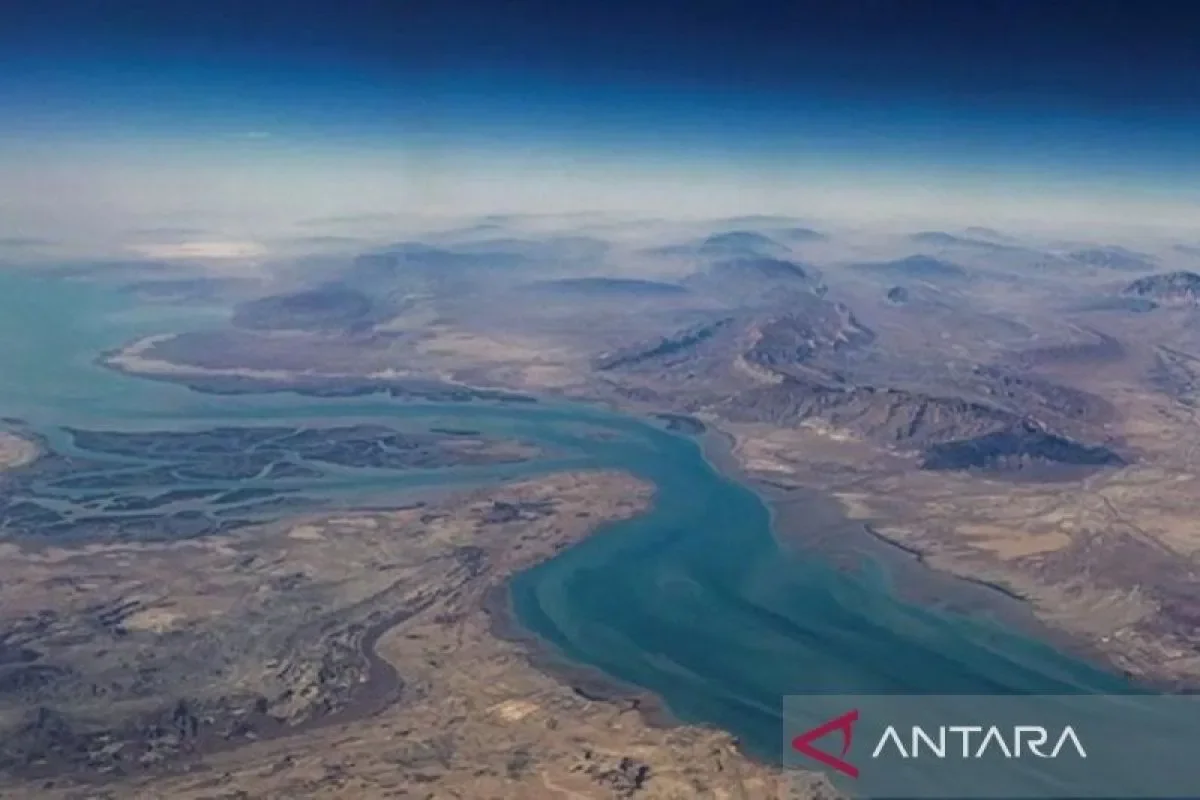
RRI.CO.ID, Jakarta - The fallout from the February 28, 2026, US and Israeli strikes on Iran continues to reverberate across the globe, with Tehran’s retaliatory restrictions on the Strait of Hormuz disrupting one of the world’s most vital energy corridors.
The closure has stranded nearly 1,900 commercial vessels in the Persian Gulf, driving fuel prices higher worldwide and intensifying concerns over global energy security.
Iran has barred ships linked to the US and Israel from transiting the strait but has selectively granted passage to vessels from countries it considers “friendly.” Foreign Minister Abbas Araghchi confirmed on March 26, 2026, that ships from China, Russia, India, Pakistan, and Iraq were permitted to cross.
“We have allowed vessels from China, Russia, India, Pakistan, and Iraq, as well as other friendly nations, to pass through the Strait of Hormuz,” Araghchi told Lebanon’s Al Mayadeen television, as reported by Russia’s Sputnik/RIA Novosti, Antara reported.
Malaysia also secured safe passage for its oil tankers. Prime Minister Anwar Ibrahim expressed gratitude to President Masoud Pezeshkian on March 27, 2026, noting that efforts were underway to release Malaysian vessels and crews.
“We are now in the process of freeing our oil tankers and workers so they can continue their journey home,” Anwar said in a televised address on March 26.
Thailand obtained similar clearance earlier. On March 23, 2026, a Bangchak Corporation tanker successfully crossed the Strait of Hormuz after bilateral coordination, while authorities continue to seek approval for another vessel operated by SCG Chemicals. Foreign Minister Sihasak Phuangketkeow confirmed the developments at a press conference on March 24, 2026.
Bangladesh has also been included among nations allowed passage, according to Anadolu reports on March 26, 2026, though officials clarified that no formal communication had been issued by Tehran.
Indonesia’s Foreign Ministry announced on Friday, March 27, 2026, that Iran had responded positively to requests for two Pertamina tankers stranded in the Strait of Hormuz to be released. Spokesperson Vahd Nabyl A. Mulachela said Jakarta and its embassy in Tehran had engaged in “intensive coordination” to ensure the safety of the vessels.
Japan, too, is negotiating safe transit. Araghchi told Kyodo News on March 20, 2026, that Tehran was prepared to facilitate Japanese shipping. “We have not closed the strait. It remains open,” he said, while stressing that Iran seeks not a ceasefire but a “complete, comprehensive, and lasting end to the war.”
The blockade has effectively created a de facto chokehold on global energy flows, underscoring the strategic vulnerability of the Strait of Hormuz. While Iran has extended passage to select nations, the restrictions highlight the geopolitical fault lines deepening across the Middle East and their far-reaching impact on global markets. ***
News Recomendation
Loading latest news.....