



Indonesia Welcomes Strait of Hormuz Reopening, Oil Prices Ease
- 18 Apr 2026 08:15 WIB
- Voice of Indonesia
Key Points
- Strait of Hormuz reopening eases global energy supply concerns and pushes oil prices downward.
- Indonesia, through Ministry of Energy and Mineral Resources, ensures energy security and negotiates safe passage for Pertamina vessels.
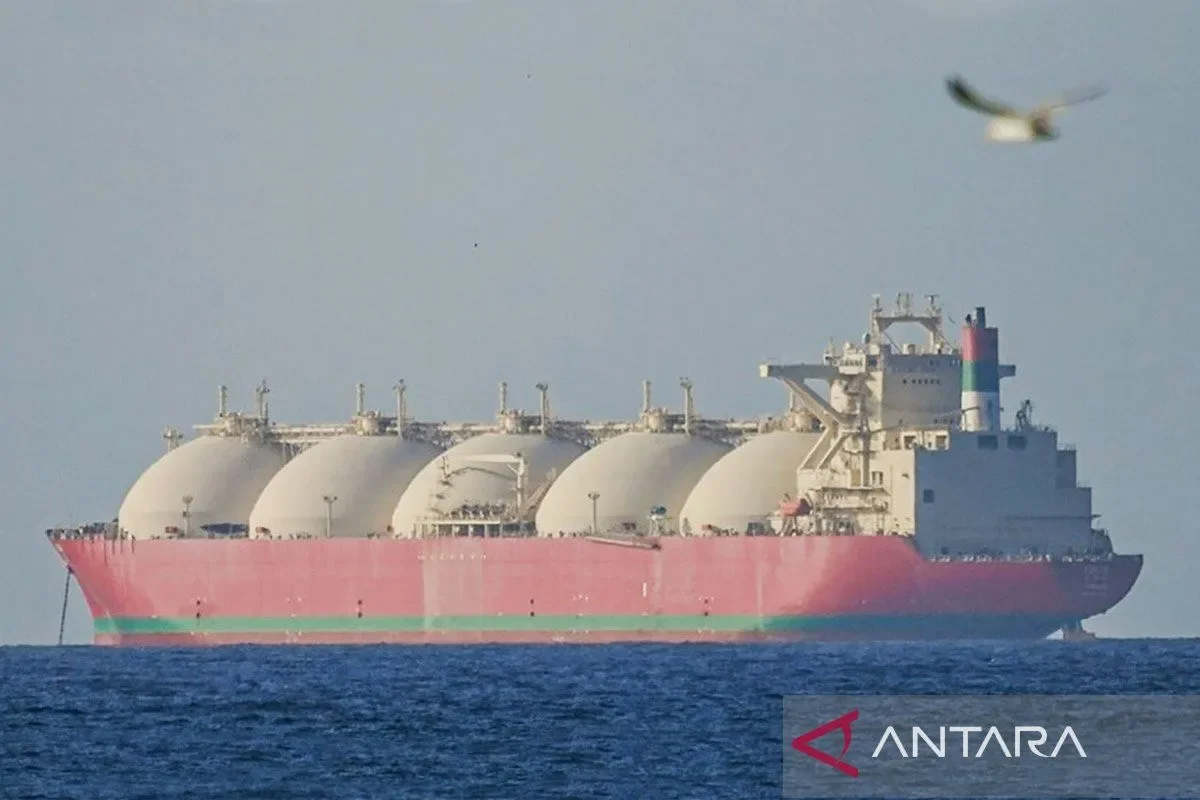
RRI.CO.ID, Jakarta - The Indonesian government has officially welcomed the reopening of the Strait of Hormuz for international commercial shipping, viewing it as a critical signal of easing global geopolitical tensions. The announcement by Iranian authorities is expected to bring much-needed optimism to the stabilization of the world's energy supply and a cooling of volatile oil prices.
The reopening follows a temporary two-week ceasefire agreement between the United States and Iran, which included the condition that the strait be reopened. Spokesperson for the Ministry of Energy and Mineral Resources (ESDM), Dwi Anggia, highlighted that this development provides much-needed certainty for energy distribution channels that were previously disrupted.
Despite the recent period of uncertainty, the Ministry assured the public that Indonesia’s national energy resilience remains intact. The government had previously anticipated various disruption scenarios by strengthening national stocks and diversifying energy sources.
“The government ensured that national energy security was maintained during yesterday's period of uncertainty. With the reopening of the Strait of Hormuz, pressure on global supply chains is beginning to ease, including on the movement of world oil prices, which are showing a downward trend,” Anggia said in an official release on Friday, April 17, 2026, as quoted by Antara.
The global market responded almost instantly to the news, with oil prices dropping significantly as supply fears dissipated. Iranian Foreign Minister Abbas Araqchi confirmed the move, linking the opening to the broader context of regional stability. “In line with the ceasefire in Lebanon, the path for all commercial vessels through the Strait of Hormuz is declared fully open,” Araqchi said.
One of the most pressing concerns for Jakarta has been the status of Pertamina-owned vessels that were previously held or restricted in the region. The Ministry of ESDM is currently coordinating efforts to ensure these Indonesian ships can resume their journeys immediately.
"As we know, the government continues to make negotiation efforts so that Indonesian-owned ships can pass. And previously, there have been positive signals from the Iranian government regarding this. We hope that the shipping process will gradually start returning to normal as the route opens. In this regard, the government continues to coordinate with stakeholders to ensure the smooth distribution of energy into the country is maintained," Anggia noted.
The reopening of the Strait of Hormuz is a massive sigh of relief for Indonesia's fiscal health. As a net oil importer, Indonesia is highly sensitive to price shocks at this chokepoint, where roughly one-fifth of the world's total oil consumption passes. The downward trend in oil prices mentioned by the Ministry is particularly timely, as it reduces the pressure on state subsidies and helps stabilize the rupiah.
Furthermore, the successful negotiation for the passage of Pertamina's vessels demonstrates the efficacy of Indonesia's quiet diplomacy. By maintaining a neutral yet proactive stance, Jakarta has managed to protect its energy logistics without becoming entangled in the direct conflict.
This event reaffirms that for Indonesia, the Strait of Hormuz is not just a geographical location, but a vital artery for national economic stability that requires constant diplomatic vigilance. ***
News Recomendation
Loading latest news.....