



Indonesia Leads Global Mission to Save the Banana
- 10 Feb 2026 09:45 WIB
- Voice of Indonesia
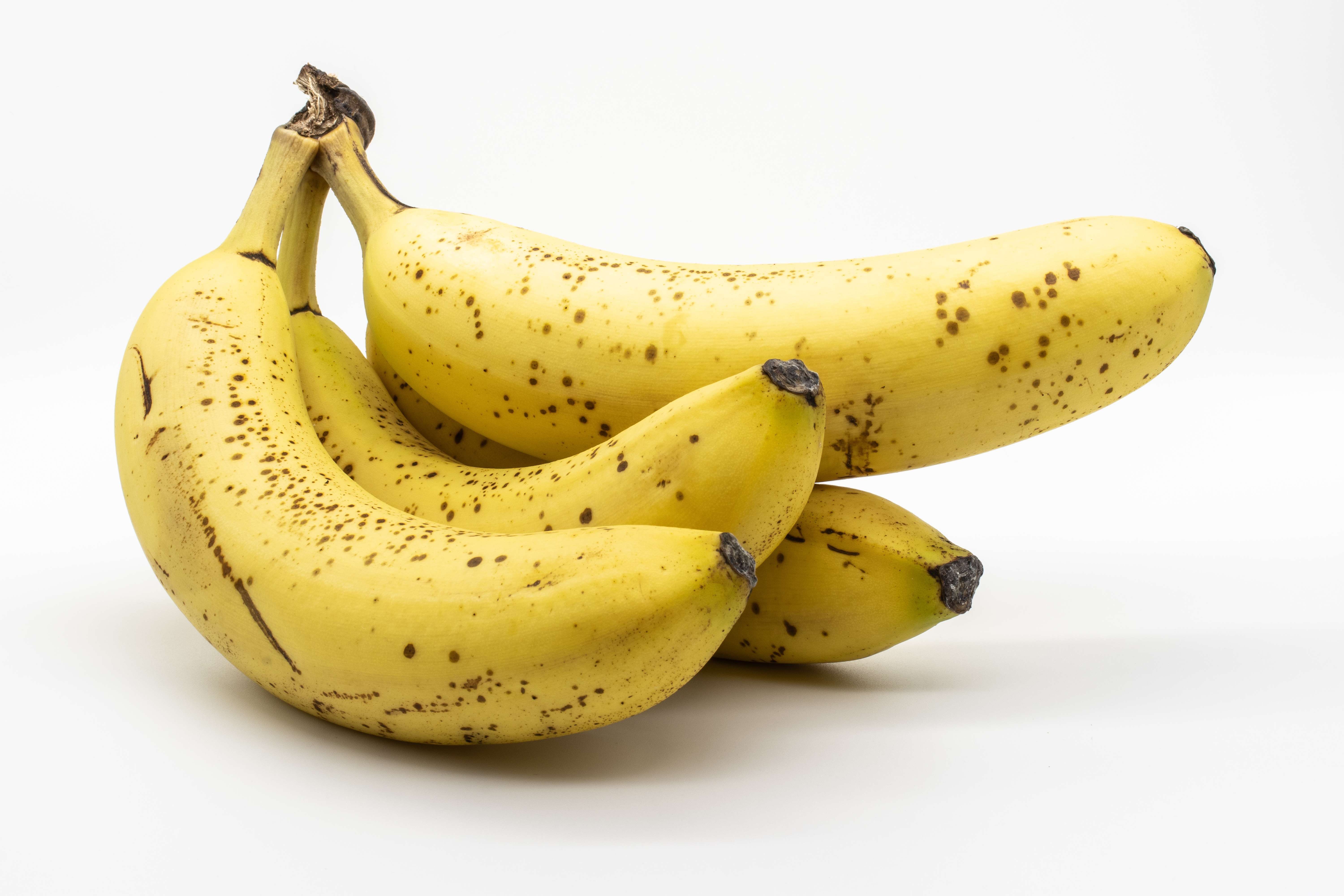
RRI.CO.ID, Cibinong — As the world faces a "banana apocalypse" driven by soil-borne fungi and virus, Indonesia is leveraging its status as a global biodiversity hotspot to lead a major international rescue mission. At the Second Annual Meeting of the “Banana Breeding Research Program,” at Cibinong, 8 February 2026, scientists from Europe, Australia, and Africa gathered in Indonesia to develop and formalize an advanced breeding strategy to protect one of the world’s most essential crops.
The global banana industry is currently threatened by Panama Disease caused by fungus called Fusarium and the Banana Bunchy Top Virus (BBTV) transmitted by banana aphid. Traditional control methods are failing, leaving farmers at risk.
The solution, however, may lie in the wild jungles of the Indonesian archipelago. Indonesia is home to 16 subspecies of wild bananas—the genetic ancestors of the varieties we eat today. Unlike the sterile, seedless bananas found in supermarkets, these wild cousins possess natural resistance to the very diseases currently threatening global supplies.
"And we, in Indonesia, are blessed with a very high diversity of wild bananas," says Ratih Asmana Ningrum, Head of the Research Center for Genetic Engineering at BRIN. She also stated that these wild species of bananas will be used to “breed banana varieties that are resistant to pests and disease.”
Led by the National Research and Innovation Agency (BRIN), the project utilizes a "Multi-Omics" approach. From gene editing and somatic hybridization, to be later selected and the superior genotypes will be utilized by researchers. One of the partners in the collaboration, Institute for Tropical Agriculture (IITA) will manage distribution to farmers and breeders in Africa. BRIN, with Indonesian ministries, will distribute it to Southeast Asian countries.
The initiative is a collaboration funded by Indonesia’s Endowment Fund for Education (LPDP) and the Bill & Melinda Gates Foundation. This collaboration also featured various institutions like Wageningen University (Netherlands), the University of Queensland (Australia), the Meise Botanic Gardens (Belgium), and the Institute of Experimental Botany (Czech Republic), among other supporting partners.
Also in the meeting was the inauguration of the Banana Innovation, Network, and Database (BIND) Center. According to BRIN Chairman Arif Satria, the BIND Center is designed to be a permanent global resource. It includes INA-BAN, a comprehensive database of banana genetics that will serve as the foundation for international breeding policies for decades to come.
This program will support long-term breeding strategies, strengthen international partnerships, and position Indonesia as a major contributor to global banana research," Satria noted.
News Recomendation
Loading latest news.....