



Indonesia Leads Climate Justice Amid Global Turmoil
- 20 Jan 2026 15:41 WIB
- Voice of Indonesia
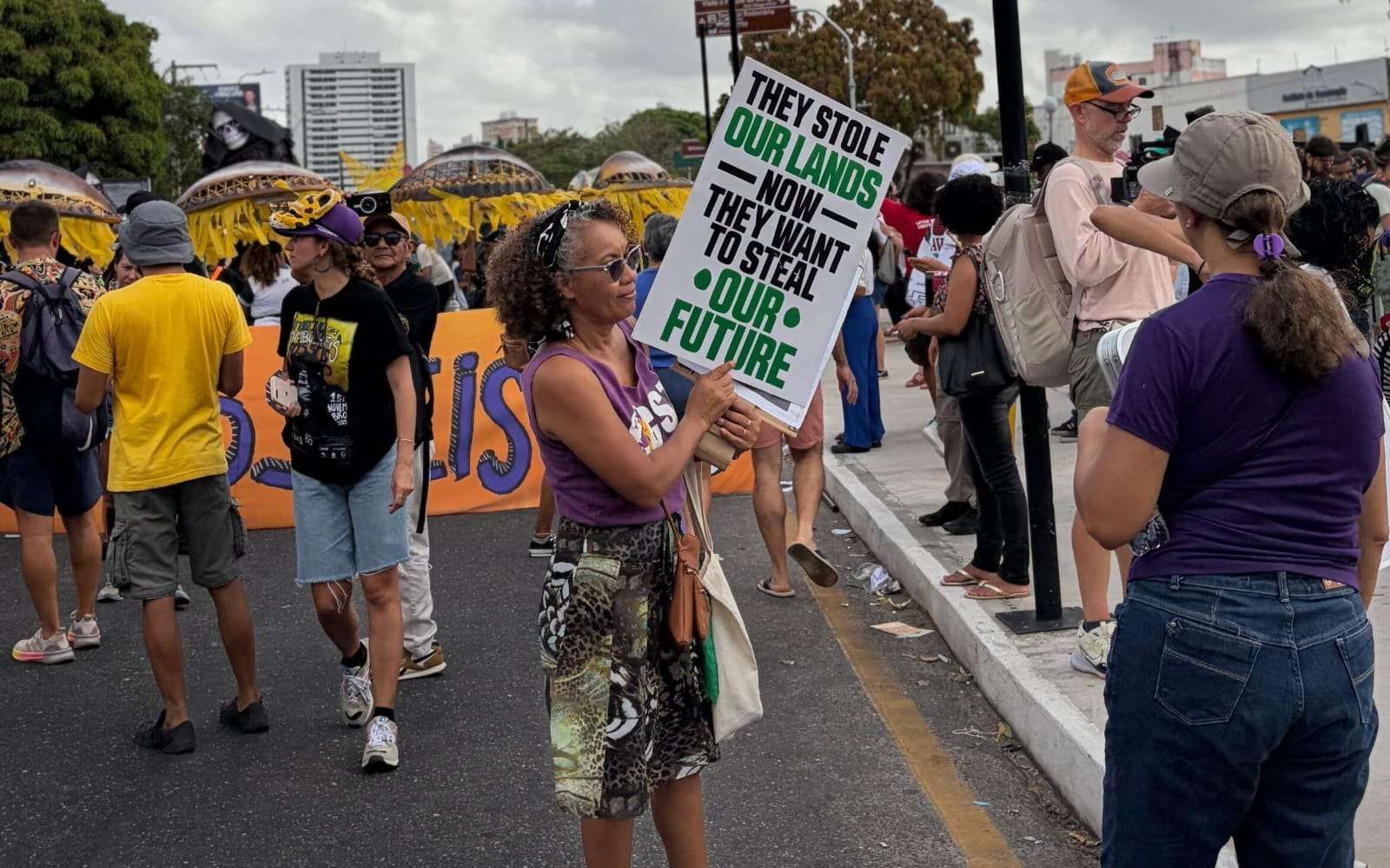
RRI.CO.ID, Jakarta - The United States' move to arrest Venezuelan President Nicolás Maduro and its plan to take over Greenland have raised serious concerns about global climate justice commitments, particularly for developing countries in the Global South. A Climate Governance Researcher at the National Research and Innovation Agency (BRIN), Yogi Setya Permana, called the situation a paradox in global climate politics.
"On the one hand, developed countries are pressuring developing countries to immediately abandon fossil fuels. On the other hand, fossil fuels are still treated as strategic assets secured through geopolitical maneuvers," he stated in a statement received in Jakarta, Tuesday, 20 January 2026.
The US invasion of Venezuela, followed by the control of the world's largest oil reserves by US corporations, has the potential to depreciate global oil prices. However, the situation is considered dangerous because it could delay investment in renewable energy and prolong global dependence on fossil fuels.
For Indonesia, which is targeting 100% renewable energy within 10 years and net-zero emissions by 2050, the situation presents a real challenge. "Cheap oil often becomes a policy trap. It appears fiscally beneficial, but it increases vulnerability to price fluctuations and future geopolitical risks," Yogi stated.
He also highlighted the unequal burden borne by developing countries. "Developing countries ultimately bear the brunt of the consequences, even though their historical contribution to global emissions is relatively small. The concept of loss and damage emphasizes that the impacts of climate change often exceed a country's adaptive capacity," he said.
The US's withdrawal from 66 international organizations, including the UNFCCC and the IPCC, further exacerbates uncertainty over global climate governance. "It's problematic when major actors withdraw from key multilateral institutions, just when climate negotiations require strong consensus," Yogi said.
| Baca juga: Australia’s Chief Scientist Visits Jakarta |
Amid these challenges, strategic opportunities exist for countries in the Global South. A lecturer of International Relations at Parahyangan University, Stanislaus Risadi Apresia, stated that this is the momentum for countries in the Global South to take leadership in climate research and policy.
"In the writing of the IPCC report, US researchers have been very dominant. It's time for perspectives from countries directly facing climate disasters to receive a greater share," he said.
He called on Indonesia to revive its tradition of leadership on the global stage. "The spirit of the 1955 Asia-Africa Conference must be revived to champion climate justice diplomacy and a just energy transition," he said.
Stanislaus sees an opportunity for Indonesia to build a strong coalition. "Indonesia can form a coalition with Brazil, India, South Africa, and island nations like the Philippines and Vietnam. This coalition must demand greater contributions from developed countries in funding and technology transfer for a just transition," he stated.
Besides, Yogi affirmed that Indonesia must take a clear and firm position in responding to this global dynamic. "Indonesia needs to continue implementing the energy transition while rejecting double standards, pushing for equitable loss and damage financing, and strengthening Global South diplomacy," he said.
Stanislaus added that active diplomacy in various multilateral forums is key. "Forums like APEC, ASEAN, and the OIC must be utilized to advocate for climate justice and build solidarity among the Global South," he said.
Both experts agreed that post-COP30, Indonesia and Brazil have a golden opportunity to strengthen the leadership axis of the Global South. This moment must be used to consolidate a shared voice and advance an inclusive energy transition agenda.
News Recomendation
Loading latest news.....