



Yogyakarta Health Agency Ramps Up Surveillance to Prevent Hantavirus
- 10 Mei 2026 21:43 WIB
- Voice of Indonesia
Key Points
- As of May 2026, there are no confirmed positive cases of hantavirus in Yogyakarta, but the Provincial Health Agency remains on high alert.
- Hantavirus is a zoonotic disease spread via rodents. Infection occurs through direct contact or inhalation of infected rat urine, saliva, or droppings.
- Health officials clarified that while hantavirus shares transmission routes with leptospirosis, the former is viral while the latter is bacterial.
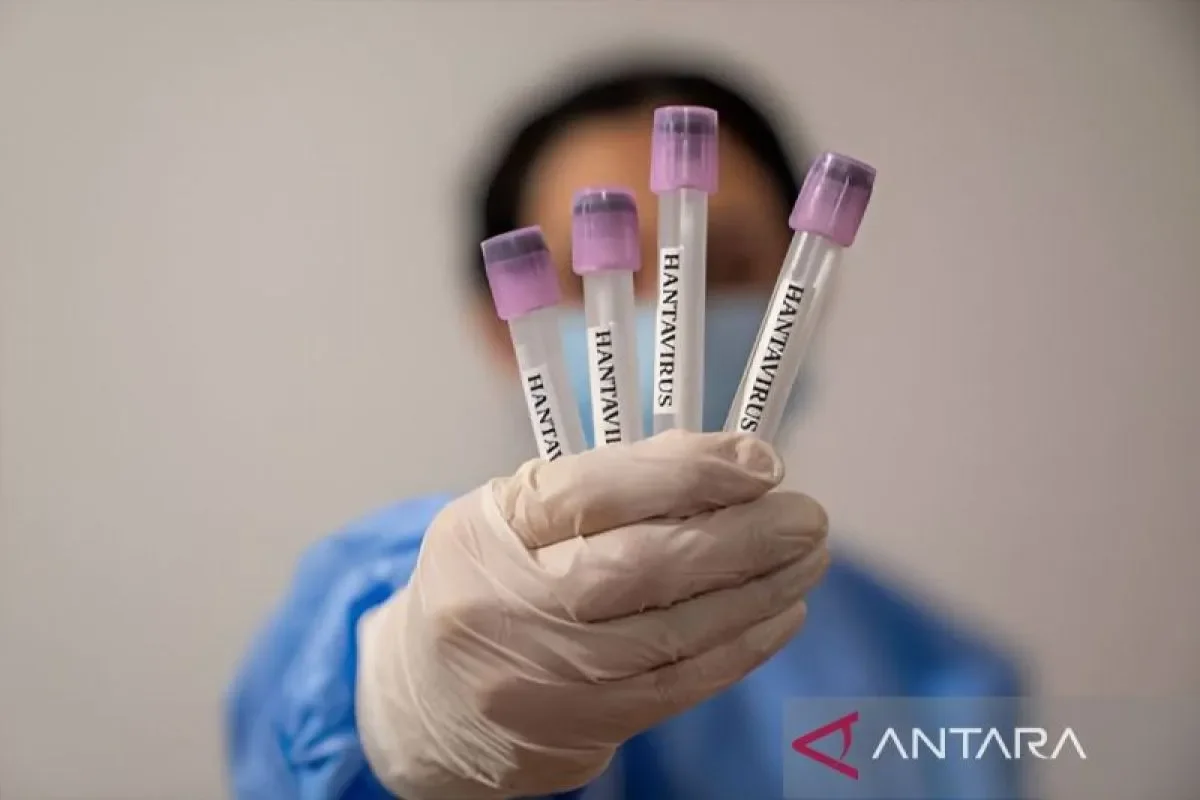
RRI.CO.ID, Yogyakarta - Yogyakarta Province Health Agency is keeping a close watch on hantavirus risks by strengthening surveillance and public education. No confirmed positive cases have been reported in the province this year.
The agency is maintaining early warning measures to anticipate the risk of hantavirus transmission, as part of preventive efforts despite the absence of confirmed positive cases in the province.
“In 2026, as of now, there have been no reported positive hantavirus cases from routine sentinel surveillance in the laboratory. However, we continue to increase vigilance and active monitoring together with district and municipal health offices,” said Yogyakarta Provincial Health Agency Head, Gregorius Anung Trihadi, in Yogyakarta on Sunday, May 2026.
Anung said hantavirus is a disease transmitted through rodents, especially rats. Although its transmission route is similar to leptospirosis, the two diseases are caused by different agents.
He explained that leptospirosis is caused by the Leptospira bacteria, while hantavirus is caused by the Hanta virus.
“Transmission can occur through direct contact with urine, saliva, or feces from infected rats. People also need to be alert to droplets from rat droppings that are inhaled, as well as exposure to contaminated water and soil,” he said, as quoted by Antara.
The Yogyakarta Health Agency is urging residents to stay calm while continuing to apply clean and healthy living habits, known locally as PHBS, to reduce the risk of infection.
Simple steps such as keeping homes clean so they do not become breeding grounds for rats and covering food and water sources are considered important preventive measures. Washing hands with soap after activities and wearing footwear in damp areas are also important.
“As a precaution, the Yogyakarta Provincial Health Agency together with regency and city administrations continues to strengthen active surveillance through case tracing and monitoring the residential areas of patients. Routine sentinel surveillance is also being reinforced to improve early warning,” said Anung.
He added that education and outreach on rat control and the importance of environmental sanitation are being intensified through community health centers and health cadres.
“The public does not need to panic, but must remain alert. If they experience symptoms such as fever, muscle pain, shortness of breath, or other complaints after exposure to risky environments, they should immediately seek medical attention. Early detection is key so that treatment can be carried out faster and more effectively,” he said.
According to Yogyakarta’s Health Agency, six positive hantavirus cases were recorded in 2025, including three in Sleman, two in Bantul, and one in Yogyakarta City. All patients recovered, with no deaths or further transmission reported. ***
News Recomendation
Loading latest news.....