



As Many as 361 Threatened Plant Species Conserved Across Five Botanical Gardens
- 21 Jul 2026 16:03 WIB
- Voice of Indonesia
Key Points
- BRIN is conserving 361 threatened plant species through 2,370 living specimens across five national botanical gardens to help prevent extinction.
- The agency plans to strengthen conservation by duplicating high-risk species across multiple gardens, reducing the risk of loss from disasters or disease.
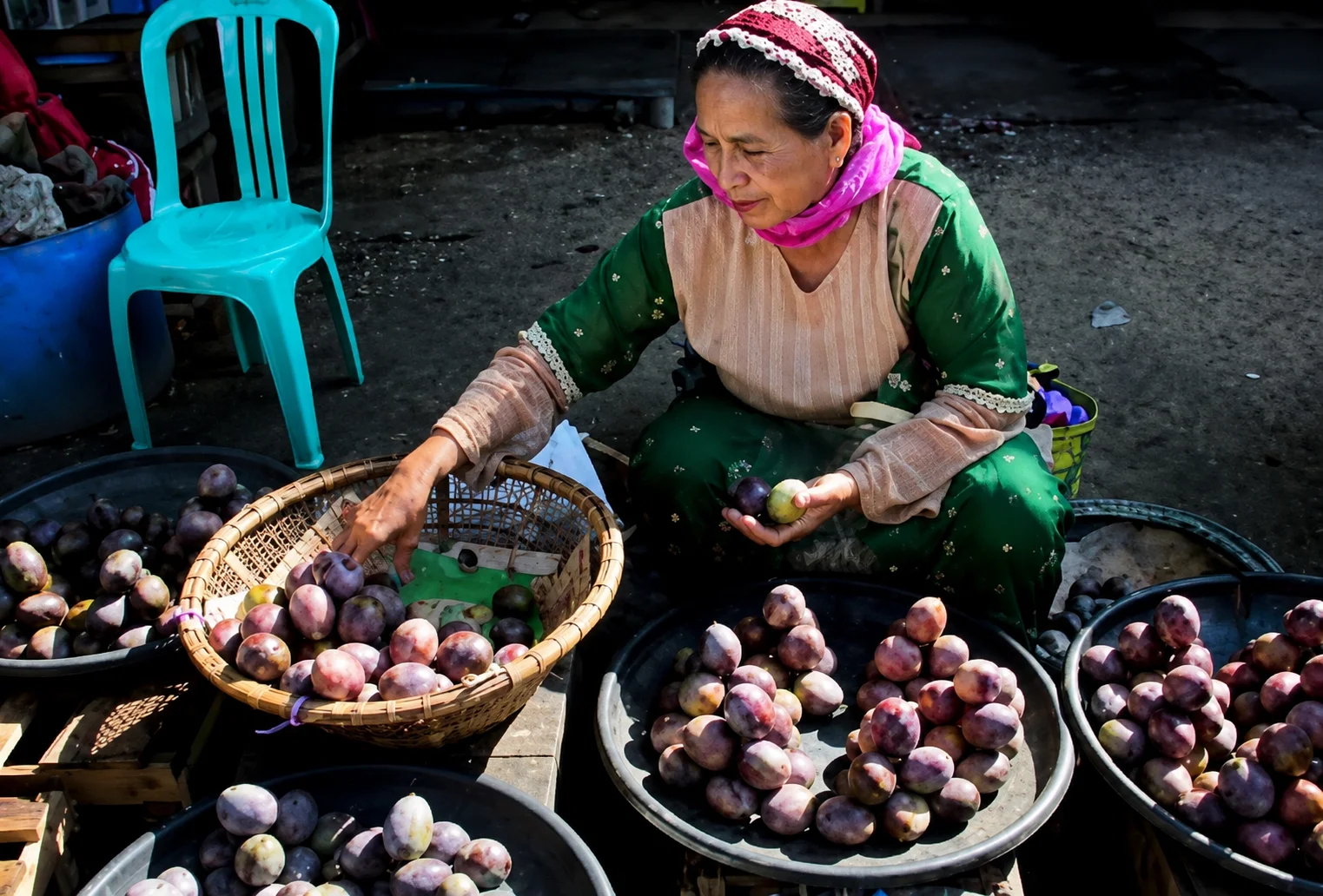
RRI.CO.ID, Jakarta - The National Research and Innovation Agency (BRIN) has documented 361 threatened plant species preserved across 2,370 living specimens within five national botanical gardens, underlining the critical role of ex-situ conservation in protecting Indonesia’s rich natural flora.
The findings, based on an audit of living plant collections completed in December 2025, were presented by Processing Officer for Living Scientific Collections at Cibinong Botanical Garden in West Java, Lutfi Rahmaningtyas, during an online scientific forum on Monday, July 20, 2026.
"Indonesia is a megadiverse nation with extraordinary floral wealth. Our waters and islands harbor around 30,466 native vascular plant species, representing roughly 8.7 percent of the world's total vascular flora, despite our landmass occupying just 1.3 percent of the global land area," Lutfi said, as quoted on BRIN's official website.
The assessment evaluated living collections against the International Union for Conservation of Nature (IUCN) Red List categories, focusing on species classified as Extinct in the Wild (EW), Critically Endangered (CR), Endangered (EN), and Vulnerable (VU).
According to BRIN, species classified as Endangered and Vulnerable account for 88.4 percent of the analyzed specimens, meaning that while populations still exist in natural habitats, they face severe ongoing declines. Of the 361 threatened species under BRIN's care, 214 species (59.3 percent) are native to Indonesia, with 63 species being strictly endemic.
Among the most critical specimens preserved is the Kasturi mango (Mangifera casturi), a species now classified as Extinct in the Wild and surviving exclusively through botanical garden collections.
Despite these conservation achievements, BRIN highlighted a significant vulnerability in its current network: 260 of the 361 threatened species are currently housed in only one botanical garden, leaving them exposed to localized disasters or disease outbreaks. Within this single-site group, 29 species are classified as Critically Endangered.
To address this exposure, BRIN is initiating a comprehensive verification process to audit collection origins, evaluate propagation capacities, and duplicate high-risk species across other facilities.
Lutfi emphasized that BRIN’s five primary botanical gardens and its 44 mentored regional gardens must function as a unified national conservation network. This ecosystem is designed to align with Indonesia's three distinct phytogeographical realms: the Sunda Shelf, Wallacea, and the Sahul Shelf.
"The ultimate challenge in conserving threatened flora is not merely bringing a species into a botanical garden, it lies in keeping the material alive, ensuring valid identification, tracing its origin, and fully integrating it into a complementary national collection network," Lutfi concluded. ***
News Recomendation
Loading latest news.....