



Waste Sorting: A Small Step Toward a Cleaner Planet
- 09 Jul 2026 10:32 WIB
- Voice of Indonesia
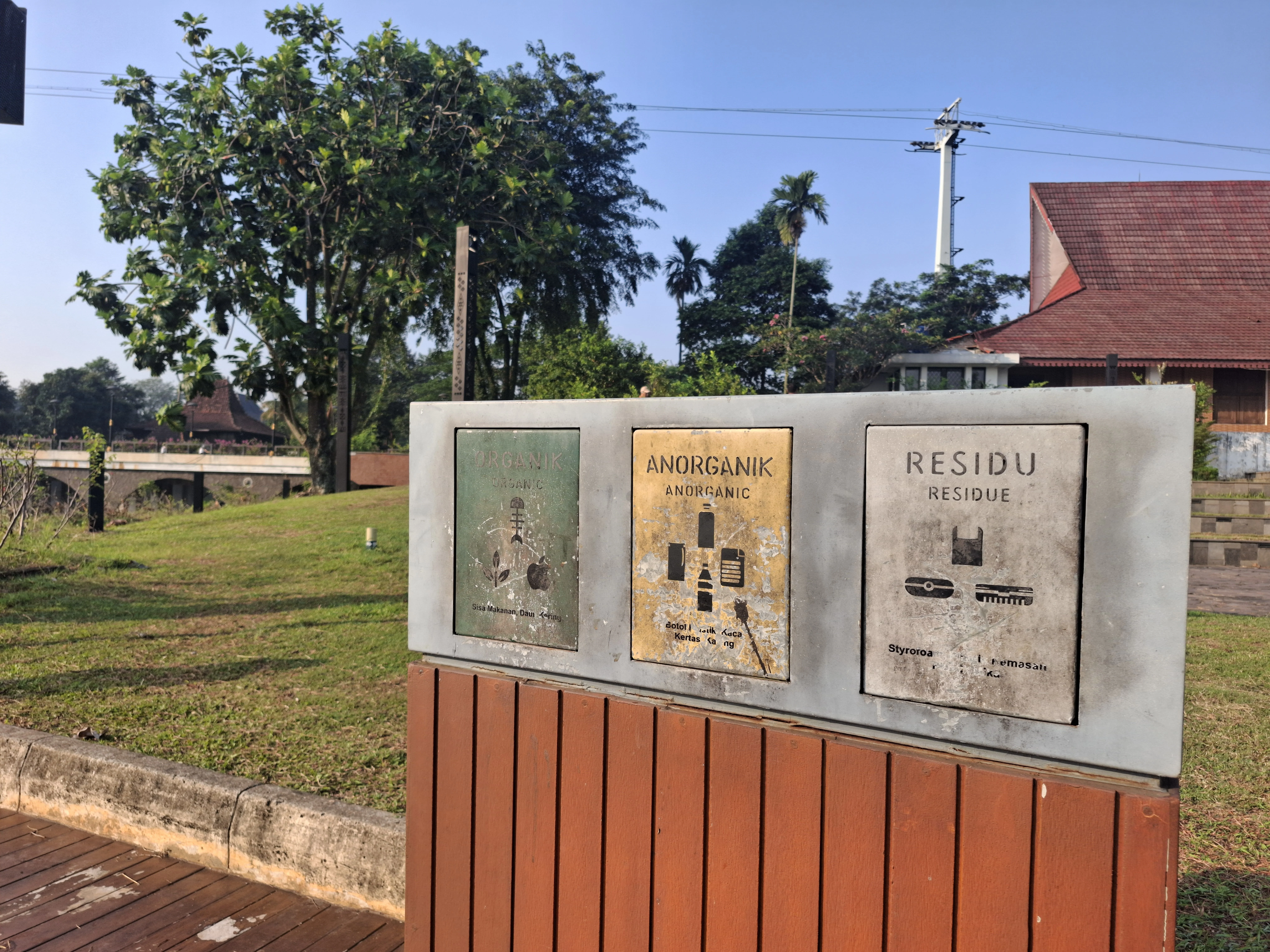
RRI.CO.ID, Jakarta – Waste has become an unavoidable part of daily life, generated by households, offices, markets, and various other public facilities every day. Although often considered useless, some waste still holds economic value when properly sorted and managed from the very beginning.
The Indonesia's Ministry of Environment, through its official website, stated that waste sorting is the first step in an effective waste management system covering storage, collection, transportation, processing, and final disposal procedures. This practice aims to simplify waste treatment, improve recycling efforts, and reduce the amount of waste ending up in landfills.
Separating organic and inorganic waste helps prevent unpleasant odors, bacterial growth, and environmental conditions that reduce comfort within surrounding communities and neighborhoods. Proper sorting also lowers the risk of fires caused by methane gas released during the natural decomposition process of organic waste.
Organic waste naturally decomposes and can be processed into compost, providing valuable nutrients that improve soil fertility and support sustainable agricultural practices. Common examples include leftover food, fruit peels, dried leaves, eggshells, and grass clippings produced through everyday household and gardening activities.
Unlike organic materials, inorganic waste requires significantly longer periods to decompose, making recycling and reuse essential for reducing environmental pollution effectively. Plastic, glass, metal, rubber, and styrofoam are common inorganic materials that retain economic value when collected and separated appropriately.
Hazardous and toxic waste, commonly known in Indonesia as B3 waste, requires special handling because it can threaten environmental quality and public health. Examples include batteries, electronic devices, expired medicines, used fluorescent lamps, and paint cans containing substances that may cause environmental contamination.
In addition to these categories, residual waste consists of materials that cannot be recycled or composted and require appropriate disposal methods instead. Disposable diapers, sanitary pads, used tissues, chewing gum, and cigarette butts are common examples of residual waste that remain difficult to process.
By understanding the characteristics of different waste types, communities can develop better sorting habits beginning at home through simple daily practices. These small but meaningful actions support more effective waste management while helping protect environmental cleanliness and sustainability for future generations.
News Recomendation
Loading latest news.....