



BRIN Introduces Climate-Adaptive Planting Strategies for Solok Farmers
- 30 Apr 2026 10:07 WIB
- Voice of Indonesia
Key Points
- BRIN develops climate-based crop rotations to optimize yields in Solok Regency.
- The strategy integrates zero-waste practices, turning agricultural residues into compost to enhance sustainability and reduce costs.
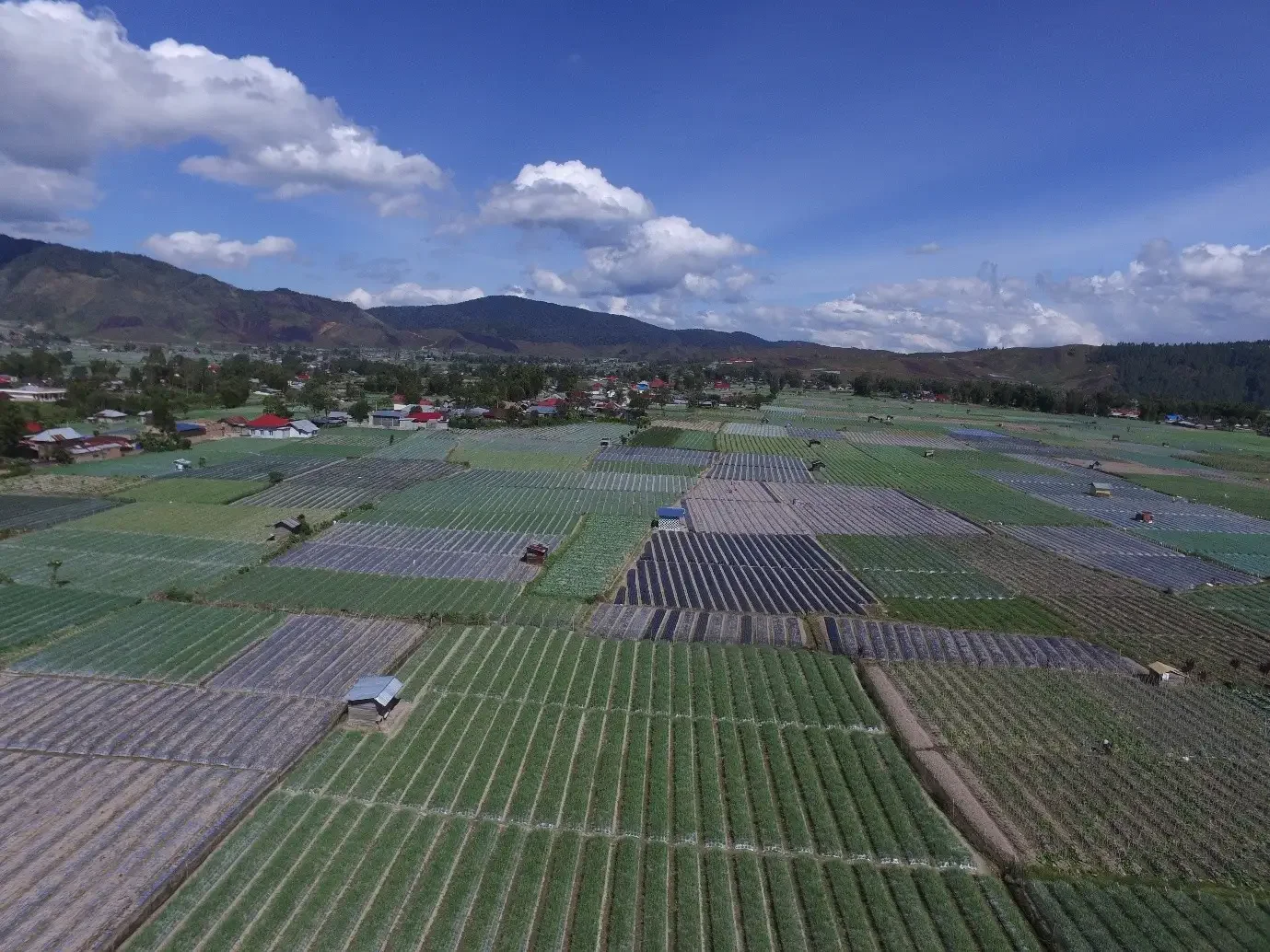
RRI.CO.ID, Bandung - To combat the rising threat of climate anomalies like El Niño and La Niña, the National Research and Innovation Agency (BRIN) has developed a specialized planting strategy for potato and shallot farmers in Solok Regency, West Sumatra. The research focuses on the districts of Lembang Jaya, Danau Kembar, and Lembah Gumanti, which serve as the region's primary horticultural hubs.
A Senior Researcher at BRIN’s Climate and Atmosphere Research Center (PRIMA), Aris Pramudia, noted that while annual consumption of these commodities is rising, production remains highly vulnerable to shifting rainfall patterns. By analyzing rainfall data and soil water balance from 2010 to 2023, the research team identified specific windows to optimize crop yields.
“This management strategy aims to increase the cropping index and horticultural production as well as support agriculture that is resilient to climate change,” Aris said during an interview on Tuesday, April 28, 2026, as quoted on BRIN's official website.
The study recommends distinct crop rotations based on the prevailing climate cycle to ensure agricultural stability during periods of low rainfall. For Normal and La Niña years, researchers suggest a sequence of potato - shallot - shallot to capitalize on the more stable moisture levels available. Conversely, during El Niño years, the rotation shifts to shallot - pottato - shallot to better mitigate the impact of drier conditions and fluctuating rainfall during the dry season.
The research emphasizes that while rainfall remains relatively stable during the wet season, the dry season presents the greatest risk due to significant fluctuations that can stunt crop growth.
Beyond climate adaptation, the research highlights the untapped potential of agricultural waste in West Sumatra. Potato skins and shallot remains are rich in bioactive phenolic compounds, such as chlorogenic acid in potatoes and flavonoids in shallots, which can be processed into high-value products.
“Compost from shallot and potato waste can increase soil fertility, reduce the need for chemical fertilizers, and encourage environmentally friendly farming practices,” Aris explained.
By converting leaves, roots, and processing waste into organic compost or livestock feed, farmers can move toward a zero-waste model. This not only reduces the environmental footprint of large-scale horticulture but also provides additional economic benefits to local farming communities.
BRIN hopes that Solok’s data-driven approach will serve as a national blueprint for food self-sufficiency. ***
News Recomendation
Loading latest news.....