



Key Points
- The Sakura Waste Bank in Srengseng Sawah, South Jakarta converts used cooking oil into affordable laundry soap.
- The initiative helps reduce pollution while creating new sources of income for residents.
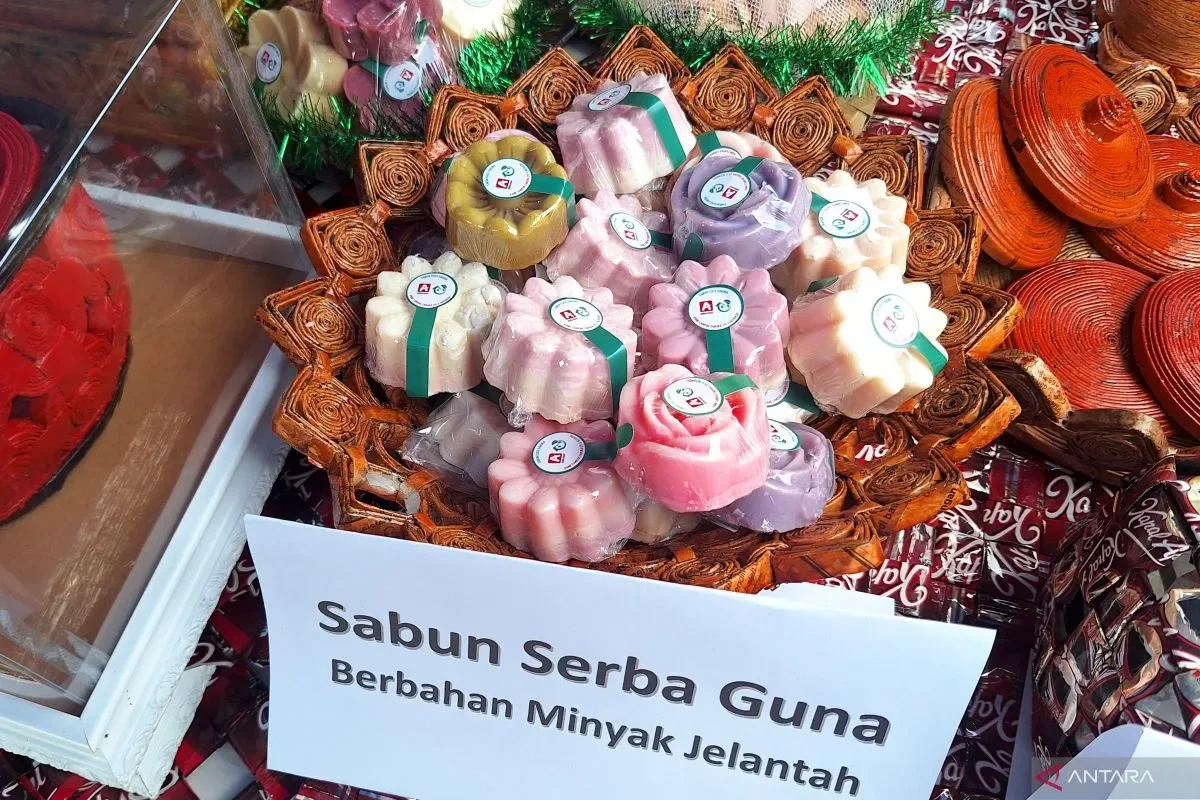
RRI.CO.ID, Jakarta - In a quiet corner of Jagakarsa, South Jakarta, a local community initiative is proving that environmental hazards can be transformed into household essentials. The Sakura Waste Bank, operated by residents of RW 05 in Srengseng Sawah, has successfully pioneered a method to repurpose used cooking oil, locally known as jelantah, into functional laundry soap, effectively turning a common pollutant into a source of regional income.
The initiative addresses a critical urban challenge in South Jakarta, a region that produces approximately 1,900 tons of waste daily. By intercepting used oil before it clogs city drains or contaminates water sources, the Sakura Waste Bank provides a sustainable "circular economy" model that benefits both the planet and the pockets of local citizens.
Sudiasmoro, a dedicated member of the Sakura Waste Bank, explained that the conversion process is accessible yet requires patience to ensure quality. “The process takes about two weeks. The materials used are used cooking oil, caustic soda, water, food coloring, and essence,” he said during a demonstration at the Citra Betawi RPTRA on Wednesday, April 8, 2026, as quoted by Antara.
The resulting soap bars are sold at an affordable price of roughly IDR 2,500 (USD 0.15) each, offering a budget-friendly alternative for the community.
The group’s creativity extends beyond liquid waste. The waste bank also upcycles old newspapers into high-end handicrafts, such as decorative lampshades.
While the soap targets everyday utility, these artistic pieces command a higher market value. “For newspaper crafts, the process usually takes two to three days, and they can be sold for around IDR 250,000 to IDR 300,000,” Sudiasmoro added.
This community-driven effort aligns with a broader strategic push by the South Jakarta Environmental Subagency, which aims to establish waste banks in 579 Citizen Associations (RW) across the region by the end of 2026. The goal is to move beyond simple waste collection toward active processing and reduction.
To support this ambitious target, the Jakarta Provincial Administration is providing infrastructure such as scales and operational training, while formalizing the management of these banks through official decrees. By fostering these grassroots initiatives, the city hopes to build a robust ecosystem that supports the national "zero waste" target by 2050, proving that small-scale local actions can drive significant environmental change.***
News Recomendation
Loading latest news.....