



Two Bengal Tiger Cubs at Bandung Zoo Die from Panleukopenia Virus
- 27 Mar 2026 16:25 WIB
- Voice of Indonesia
Key Points
- BBKSDA revealed that the deaths of the two eight-month-old Bengal tiger cubs, Huru and Hara, were due to panleukopenia virus infection
- Clinical symptoms included severe vomiting, diarrhea, and bloody stools, which are telltale signs of a virus that attacks a feline's gastrointestinal tract and immune system.
- The Agency and Bandung Zoo teams are expected to continue monitoring the remaining feline population to ensure no further spread of the virus occurs within the natural habitat of the park
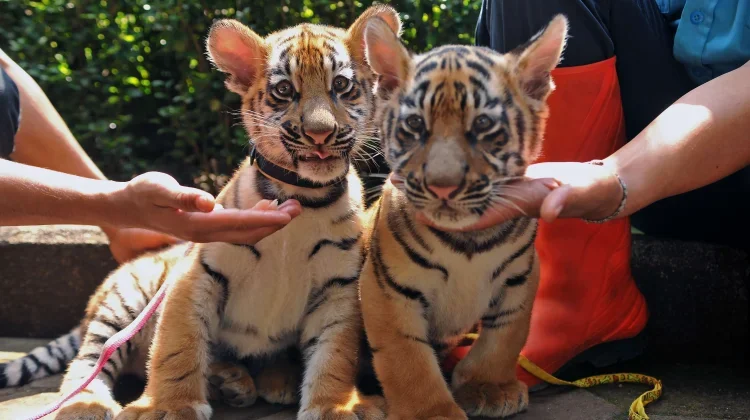
RRI.CO.ID, Kota Bandung - The Bandung conservation community is in mourning following the tragic loss of two eight-month-old Bengal tiger cubs, Huru and Hara, who succumbed to the highly contagious Panleukopenia virus.
The West Java Natural Resources Conservation Agency (BBKSDA) confirmed that despite an intensive, multi-agency medical intervention, the predatory disease proved fatal for the young siblings at the Bandung Zoo.
The cubs, born on July 12, 2025, to parents Sahrulkan and Jelita, were part of a high-profile breeding success for the sanctuary. However, their health rapidly declined this week, with Hara passed away on Tuesday, March 24, 2026, followed by Huru on Thursday, March 26, 2026.
Clinical symptoms reported by caretakers included severe vomiting, diarrhea, and bloody stools, which are telltale signs of a virus that aggressively attacks a feline's gastrointestinal tract and immune system.
In response to the crisis, a specialized task force was assembled, including experts from the Cikole Animal Hospital, the Food Security and Agriculture (DKPP) Agency, and BBKSDA. Spokesperson for BBKSDA West Java, Eri Mildranaya, noted that the cubs were immediately moved to an isolation ward once symptoms appeared.
“Generally, both were infected with Panleukopenia. Every possible effort was made to the maximum extent, but the final outcome was otherwise," said Eri in Bandung on Thursday, March 27, 2026, as quoted by Antara.
While the exact source of the transmission remains under investigation, officials noted that Panleukopenia can persist in the environment or be introduced through various external factors.
The zoo has implemented strict quarantine protocols to prevent a broader outbreak among its other inhabitants. The loss is being felt deeply by the staff and the local public, who had watched the cubs grow since their birth last summer.
Reflecting on the emotional impact of the loss, Eri emphasized the bond between the city and its wildlife. “We are in deep mourning. These two tiger cubs were not just animals, they had become part of the extended family of the Bandung community,” he remarked.
The Agency and Bandung Zoo teams are expected to continue monitoring the remaining feline population to ensure no further spread of the virus occurs within the natural habitat of the park. ***
News Recomendation
Loading latest news.....