



Taman Safari Prigen Introduces Four Sumatran Tiger Cubs
- 04 Jun 2026 09:28 WIB
- Voice of Indonesia
Key Points
- Taman Safari Indonesia II Prigen introduced four Sumatran tiger cubs born on March 23, 2026, consisting of three males and one female.
- Conservation experts described the birth as a rare success because female Sumatran tigers usually give birth to only two cubs per litter.
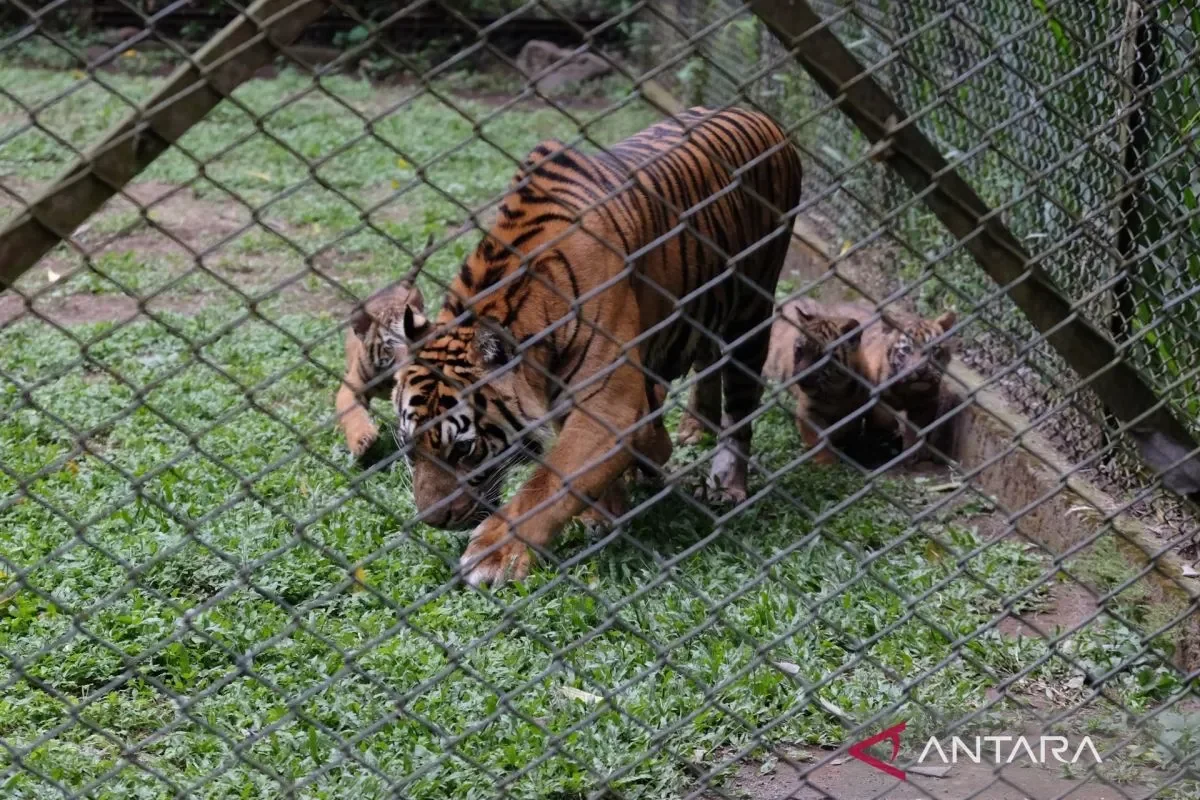
RRI.CO.ID, Pasuruan - Taman Safari Indonesia (TSI) II Prigen in Pasuruan Regency, East Java, has officially introduced four newly born Sumatran tiger (Panthera tigris sumatrae) cubs to the public. The birth marks a major milestone for the conservation facility in its ongoing mission to preserve the critically endangered endemic species.
The four cubs, consisting of three males and one female, were born on March 23, 2026. They are the offspring of a male tiger named Praja and a female named Dini.
"This success is a special moment because it marks the second birth for mother Dini, after previously giving birth to two Sumatran tiger cubs named Isyana and Aura on May 4, 2021," said Vice President (VP) of Life Sciences at Taman Safari Indonesia, in Pasuruan Bongot Huaso Mulia, on Wednesday, June 3, 2026, as quoted by Antara.
Conservation experts note that breeding Sumatran tigers in captivity presents immense challenges. The species exhibits high selectivity when choosing a mate, which carries significant risks of physical injury, psychological trauma, and even death when keepers attempt to pair a male and female together.
Furthermore, ensuring the survival of the cubs so they can successfully reach adulthood remains a distinct operational challenge for any conservation institution.
The arrival of four cubs in a single pregnancy is considered an above-average biological event. Under normal circumstances in both captivity and the wild, a female Sumatran tiger typically gives birth to only two cubs per litter.
According to the management of Taman Safari, this rare breeding success was made possible by several interconnected operational factors. Regarding fertility tracking, the success was driven by the keen ability of animal keepers to precisely identify the female tiger's fertile window.
For mating surveillance, it relied on the successful monitoring and management of the actual mating process. In terms of veterinary care, the facility provided constant tactical support from an experienced on-site veterinary medical team. Finally, facility readiness played a crucial role through the preparation of a highly secure, comfortable, and quiet birthing den for the mother.
Looking ahead, Taman Safari Indonesia aims to further optimize its specialized Sumatran tiger breeding initiatives. The conservation team has set an ambitious target of securing at least one tiger birth per year to actively reinforce the species' global population.
Bongot Huaso Mulia clarified that the 24 Sumatran tigers currently housed across Taman Safari Indonesia's network of facilities are completely detached from commercial entertainment or profit-driven goals. Instead, the population is maintained purely for animal conservation purposes, serving as a vital genetic reservoir to save the species from the brink of extinction. ***
News Recomendation
Loading latest news.....