



Diverse Indonesian Culinary Traditions Showcased at Five-Star Beijing Hotel
- 04 Jun 2026 13:23 WIB
- Voice of Indonesia
Key Points
- The Kepulauan Cita Rasa festival at Grand Hyatt Beijing features authentic Indonesian dishes and regional coffees from Sumatra to Papua.
- Organizers aim to promote Indonesia’s cultural diversity and strengthen people-to-people ties between Indonesia and China through culinary diplomacy.
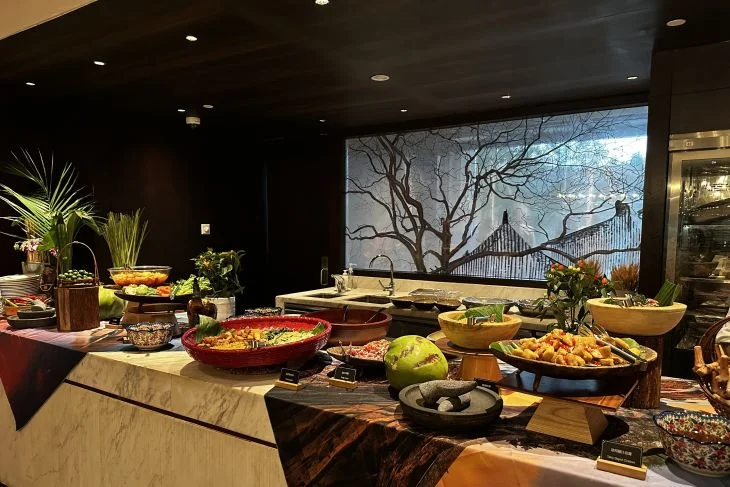
RRI.CO.ID, Beijing - Traditional dishes from various regions across the Indonesian archipelago are being featured as a special menu at the Grand Hyatt Beijing hotel, China. Running from June 3 to June 28, 2026, the unique gastronomic event is organized as an Indonesian culinary festival titled Kepulauan Cita Rasa (Archipelago of Flavor).
Indonesian Ambassador to China and Mongolia, Djauhari Oratmangun, highlighted those certain Indonesian staple foods, such as meat-filled buns (bakpao), fried dough sticks (cakwe), and stir-fried vegetables (capcay), deeply reflect the long history of cultural interactions between Indonesia and China. These dishes serve as tangible proof of people-to-people exchanges that flourished long before modern diplomatic ties were officially established.
He invited attendees to savor the rich culinary heritage and understand the deep narratives carried behind every authentic dish.
"Trade connects our economies, and investment strengthens industrial ties. However, food continues to be a bridge that brings the people of our two countries closer together. Ultimately, sustainable partnerships are built on people-to-people connections," Ambassador Djauhari remarked at the Grand Hyatt Beijing on Wednesday, June 3, 2026, as quoted by Antara.
The opening ceremony welcomed around 50 guests, including the Ambassador's wife, Wiwik Oratmangun, diplomats from friendly nations, Indonesian citizens living in Beijing, and local food enthusiasts. The grand opening was also enlivened by a joint traditional Indonesian and Chinese musical performance delivered by Risnandar, a lecturer from the Central Conservatory of Music Beijing.
Luca Puluse, an Italian head chef at the Grand Hyatt Beijing who is married to an Indonesian, observed that global citizens still remain largely unfamiliar with the vast wealth of Indonesian cuisine.
"Unfortunately, many people only know Indonesia as Bali. I've traveled extensively throughout Indonesia, and I know that Indonesian food varies greatly from island to island, even within the same island. That's why I want to introduce that diversity," Luca explained.
To bridge this knowledge gap, Luca collaborated with several professional Indonesian chefs flown in directly from Jakarta. Together, they curated a massive spread consisting of multiple culinary offerings. First, regarding the starters, the selection featured 12 different appetizers and 2 types of hot soups.
For the hearty portions, the culinary team prepared 16 distinct main courses alongside 4 unique varieties of grilled dishes. Finally, in terms of condiments and sides, the grand menu was completed with 12 traditional types of chili pastes (sambal) and an assortment of crispy traditional crackers (kerupuk).
While the previous year's festival focused heavily on ubiquitous national classics like beef rendang, fried rice (nasi goreng), and soto soup, the 2026 edition explicitly broadens its geographic reach. The menu integrates traditional delicacies representing the islands of Sumatra, Java, Sulawesi, Maluku, and Flores.
Notable dishes served during the opening banquet included nasi Lapola (coconut and red bean rice), Sop Konro (rib soup), Bebek Butu (spiced slow-cooked duck), Ayam Woku (spicy aromatic chicken), Pepes Ikan (banana leaf-wrapped steamed fish), Kolak Pisang (sweet banana compote), Cenil (tapioca starch cake), traditional jamu herbal elixirs, and es putar (traditional coconut-based ice cream).
To preserve the true essence of Indonesian cuisine, the culinary team deliberately committed to keeping the original flavor profiles intact, noting that Chinese diners travel frequently and deeply appreciate culinary authenticity. Kiki Aprianto, an Indonesian sous chef deployed from Jakarta, confirmed that no fundamental recipe adjustments were made to the core flavors. The team merely regulated the levels of sweetness and spiciness to align with the specific preferences requested by the event organizers.
Alongside the extensive buffet, the opening ceremony spotlighted Indonesia's premium coffee heritage by serving authentic regional varieties, including Papua Wamena, Jambi Kerinci, Luwak coffee, Java Liberica, and Arabica beans sourced from West Java and Bali.
Edwin Prajna Adistana, an Indonesian coffee specialist based in Beijing, intentionally curated these distinct regional beans to narrate Indonesia's vast biodiversity. He shared that while Chinese consumers are generally only familiar with major hubs like Jakarta, Bali, and Mount Bromo, they remain largely unaware of the diverse tasting notes unique to coffee grown across Sumatra, Sulawesi, Papua, and East Nusa Tenggara.
This immense flavor diversity gives Indonesian specialty coffee a strong competitive edge over other popular imports in China, such as beans originating from Brazil, Ethiopia, and Vietnam.
The public can experience these diverse Indonesian dishes and coffee selections at the designated hotel restaurant from 11:00 AM to 9:00 PM local Beijing time throughout the month-long festival. ***
News Recomendation
Loading latest news.....