



Jaja Laklak, Bali's Traditional Rice Cake Rich in Flavor and Heritage
- 15 Jul 2026 17:46 WIB
- Voice of Indonesia
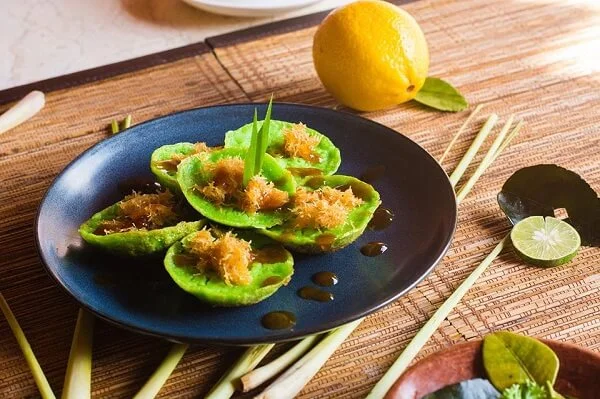
RRI.CO.ID, Jakarta – Bali is celebrated not only for breathtaking landscapes and vibrant traditions, but also for diverse culinary specialties reflecting generations of local heritage. Traditional snacks, locally known as jaja, remain cherished treats enjoyed daily alongside coffee or tea across the island.
Among Bali's beloved traditional cakes is jaja laklak, a rice flour delicacy resembling serabi from Java and surabi from West Java. Despite their similarities, jaja laklak offers distinctive flavors, preparation methods, and cultural significance rooted deeply within Balinese traditions.
This traditional cake is commonly found in local markets, neighborhood stalls, and vendors specializing in authentic Balinese snacks throughout the island. Affordable prices and comforting flavors have made jaja laklak a favorite morning or afternoon companion with freshly brewed coffee or tea.
Jaja laklak is prepared using rice flour mixed with water, sugar, and natural ingredients that create its signature white and green colors. Green versions use suji leaves for coloring, while white varieties contain coconut milk before being topped with grated coconut and palm syrup.
Many vendors still prepare the cakes over wood-fired stoves, producing a distinctive smoky aroma and unique taste appreciated by generations of Balinese families. This traditional cooking technique enhances the overall flavor while preserving authentic preparation methods passed down through local communities.
Beyond its culinary appeal, jaja laklak also holds an important place within Bali's religious and cultural traditions, particularly in Hindu ceremonial practices. Food offerings, flowers, and fruits are essential components of banten, ceremonial offerings used during various rituals collectively known as Panca Yadnya.
Local tradition associates the origins of jaja laklak with the journey of the revered Hindu priest Dang Hyang Nirartha after arriving in Bali. According to legend, his spiritual experiences during the journey later influenced important ceremonial customs practiced throughout the island.
The story recounts how Nirartha entered a giant serpent's body and discovered three sacred lotus flowers with different symbolic colors inside. After emerging, his transformed appearance frightened his family, leading to their separation before several members were eventually found again.
Legend says Nirartha later deified his missing wife and daughter as Dewi Melanting, while another daughter received extraordinary spiritual powers and responsibilities. She requested jaja laklak tape as ceremonial offerings, a wish accepted by Nirartha and incorporated into Balinese ritual traditions.
Since then, jaja laklak has become more than a traditional snack, symbolizing Bali's enduring connection between culinary heritage, spirituality, and community life. Its continued popularity demonstrates how food can preserve history, strengthen cultural identity, and connect modern generations with centuries-old Balinese traditions.
News Recomendation
Loading latest news.....